automotive aftermarket parts / Buying guide
Are Chinese auto parts reliable?
China manufactures across the whole quality range simultaneously, from components fitted on production lines by vehicle manufacturers to parts that are visually identical and will not last a season. Both are on the same marketplace at prices four times apart.
So the honest answer is that reliability is entirely a question of which tier you bought, and the tier is knowable before you order if you ask the right four questions.
In this guide
The four questions that separate the tiers
- What material, precisely? "Steel" is not an answer; a grade is. A supplier operating at the top tier answers instantly because it is on their spec sheet.
- Which certification, and can I see the certificate? Look for the relevant standard for the part and market — and check the certificate number rather than the picture of it.
- Do you supply this to any vehicle manufacturer or established brand? Verifiable claims here are the strongest single signal.
- What is the warranty or return position on a defect batch? A factory confident in its process gives a straight answer.
Where the risk concentrates
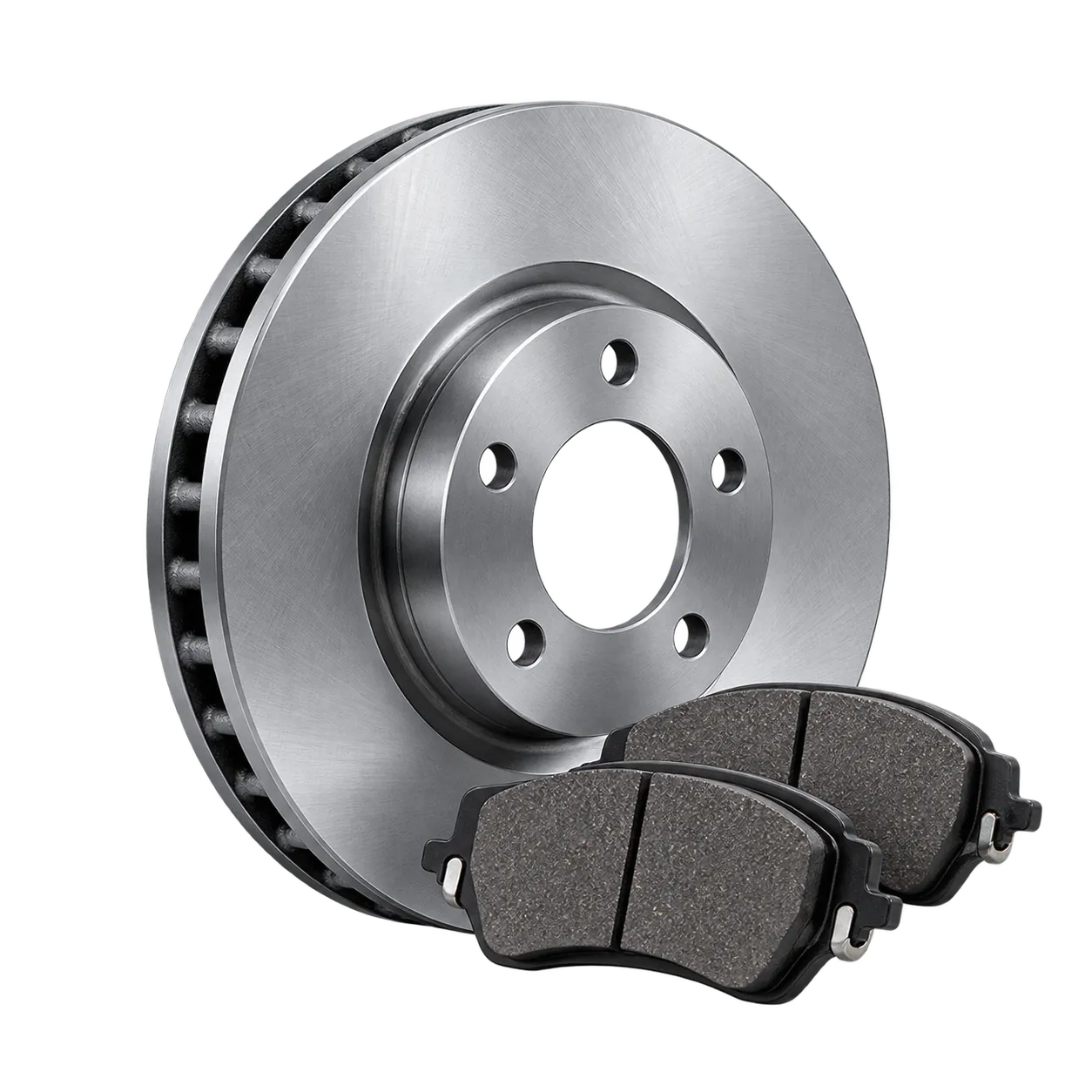
Safety-critical components — brakes, steering, suspension, airbags, seatbelts — are where a tier mistake stops being a margin problem. For these, buy on certification and test reports, or buy a known aftermarket brand, and treat an unusually low price as information rather than an opportunity.
Wear items and consumables — filters, bulbs, wipers, bushings, trim, fasteners — are where the Chinese domestic market is genuinely and safely cheaper, because the failure mode is inconvenience rather than injury.
What a low price is actually telling you
- Thinner material or a lower grade than the part it copies.
- A shorter or omitted heat treatment, which you cannot see and will not find out for months.
- A friction compound that stops adequately when cold and fades when hot.
- A trading company reselling whatever was cheapest that week, so batch two is not batch one.
Reducing the risk without a factory audit
- Buy a sample and take it apart. Weigh it against the part it replaces — mass is a good proxy for material where the geometry is fixed.
- Order the first batch small and fit them yourself before selling any.
- Buy the same part twice, three months apart, and compare. Batch consistency is what separates a factory from a trader.
- Keep the written specification. Without it there is no standard to hold a seller against.
Questions & answers
Common questions
- Are Chinese brake pads safe?
- Some are certified to the standards required in Western markets and some are not. Buy on the certificate and the friction rating, not on price, and get the test report for your market before ordering.
- Why is the same part four times cheaper on 1688 than on Alibaba.com?
- Partly the export margin, which is real, and partly that the cheap listing is a different specification. Confirm material and dimensions before assuming it is the first reason.
- Do Chinese factories make parts for real car makers?
- Yes, extensively. That is exactly why "made in China" tells you nothing on its own about a specific part.
Your next step
Have a link you want checked?
Send a 1688 or Taobao product link and you get back the specification in English, the supplier check, and the landed cost to your country before you commit to anything.
Get a quote