automotive aftermarket parts / Buying guide
Quality tiers, and how to read them
On any given part number the Chinese domestic market will show you four prices spanning a factor of four or more. They are not the same part sold at different margins; they are different parts.
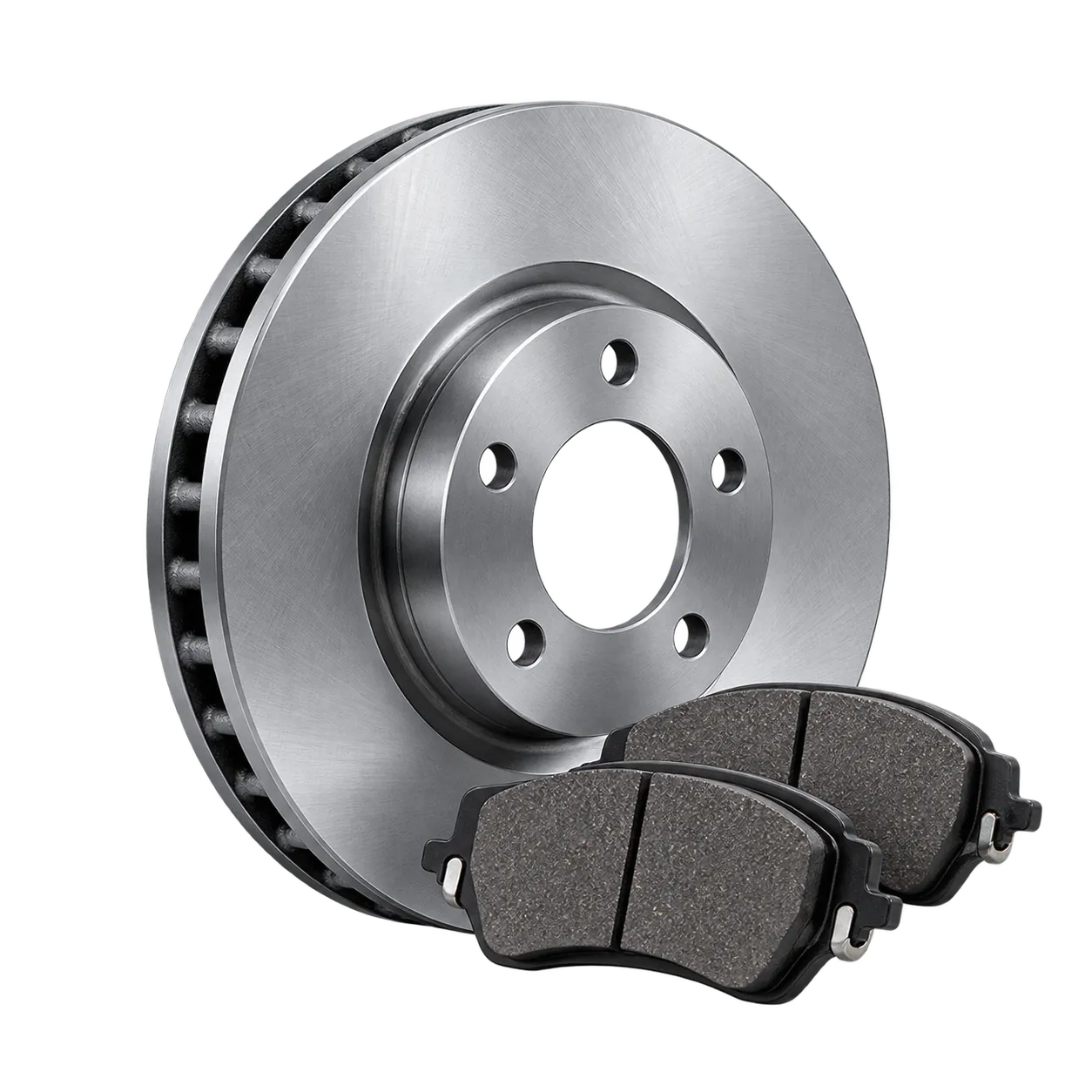
What separates them is material grade, heat treatment, machining tolerance and process control — none of which is visible in a photograph and all of which a real supplier will state.
In this guide
The tiers in practice
- OE supply tier — factories producing for vehicle manufacturers, selling surplus or aftermarket lines from the same process. Priced accordingly and worth it on anything critical.
- Branded aftermarket — established Chinese aftermarket brands with certification and consistent batches. The sensible default for most resale.
- Unbranded production — real factories, adequate material, no certification, inconsistent between batches. Fine for non-critical wear items if you accept the variance.
- Bottom tier — a copy of the geometry with none of the process. Looks identical, weighs less, fails early.
Signals that survive scrutiny
- A stated material grade rather than a material name.
- A certificate you can check by number, not a photograph of one.
- A weight per piece that matches the part being replaced.
- Consistent answers about dimensions across two conversations a week apart.
- A willingness to send a sample from current stock rather than a photograph.
Signals that do not
- "OEM quality" — a marketing phrase with no definition.
- A wall of certification logos in the listing images.
- A long list of OEM cross-references with no dimensions.
- A price far below the rest of the market for the same geometry.
Matching tier to part
Put the money where failure is expensive. Brakes, steering and suspension justify the top tier and the certification that comes with it. Filters, trim, bulbs, clips and fasteners do not, and buying them at the top tier is how importers lose the margin that made this worth doing.
Questions & answers
Common questions
- How do I verify a certificate?
- Certification bodies publish searchable registers. Check the certificate number in the register rather than accepting the image, and check that the scope covers the specific part.
- Is a more expensive listing automatically better?
- No, but a much cheaper one is reliably worse. Price is a weak positive signal and a strong negative one.
Your next step
Have a link you want checked?
Send a 1688 or Taobao product link and you get back the specification in English, the supplier check, and the landed cost to your country before you commit to anything.
Get a quote