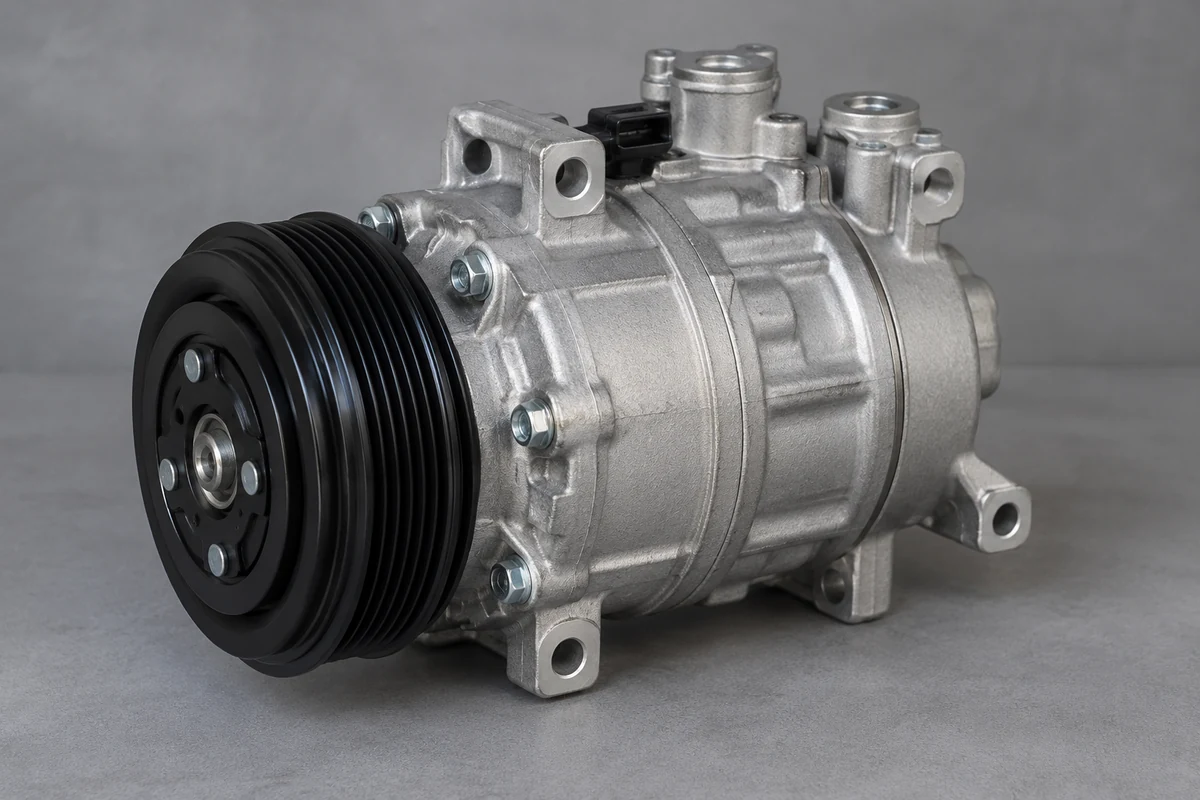
For A/C assemblies entering Great Britain, establish the actual gas or holding charge and importer context before relying on an HFC-related cost assumption.
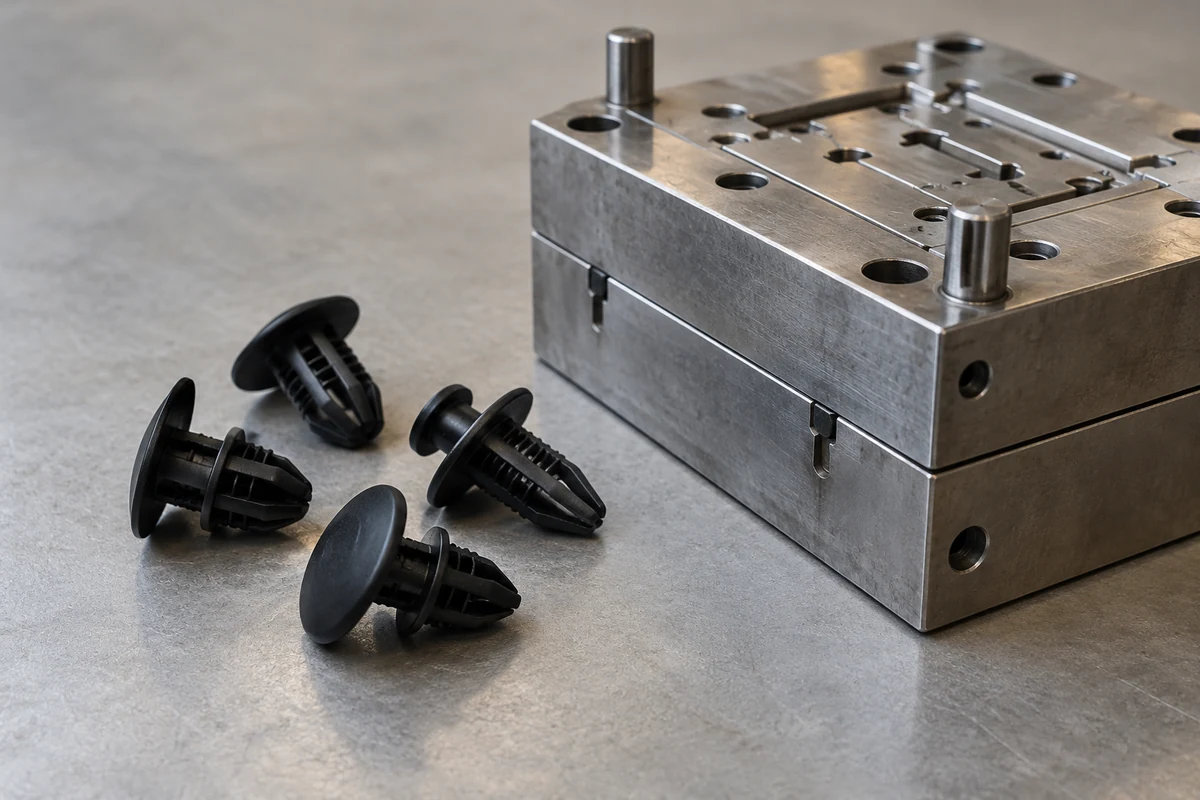
Disclose buyer-funded trim-clip tooling and its relationship to the goods price before comparing UK import costs or assuming a low invoice is the full basis.
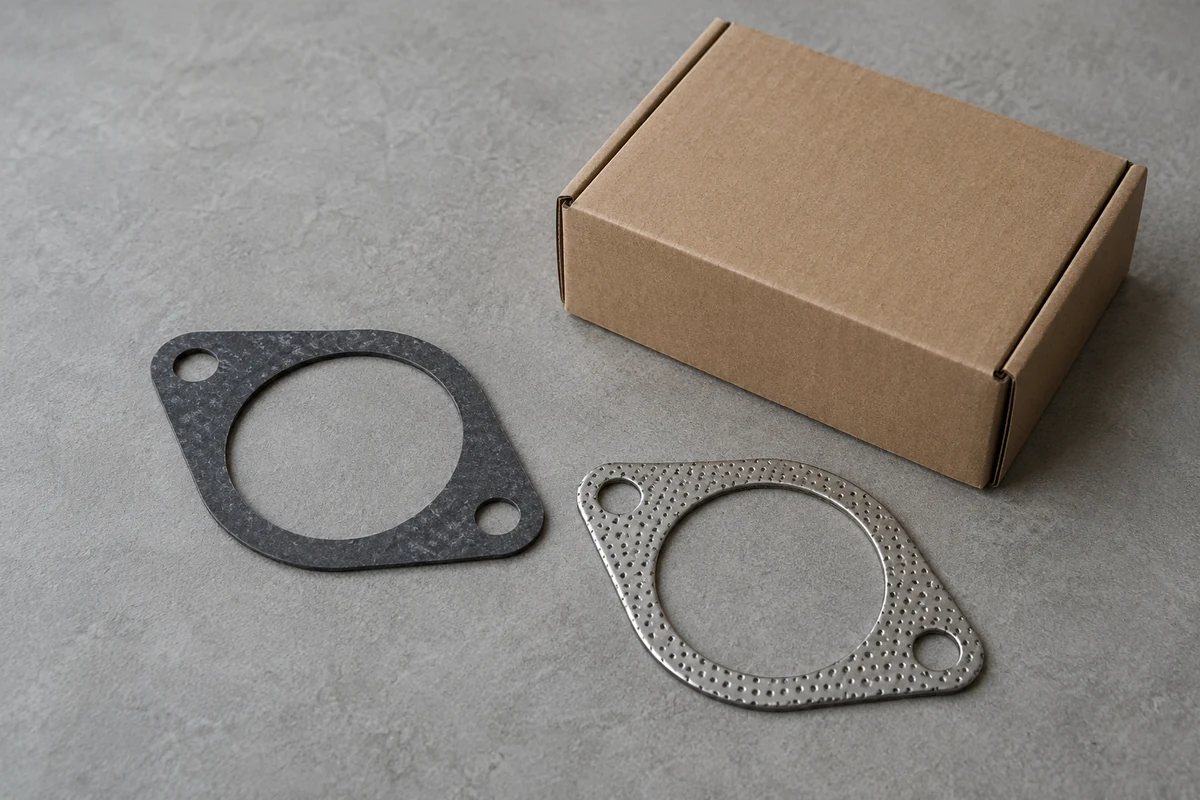
For a separate no-charge gasket replacement shipment to the UK, preserve the settlement and obtain a supported valuation assessment before budgeting freight only.
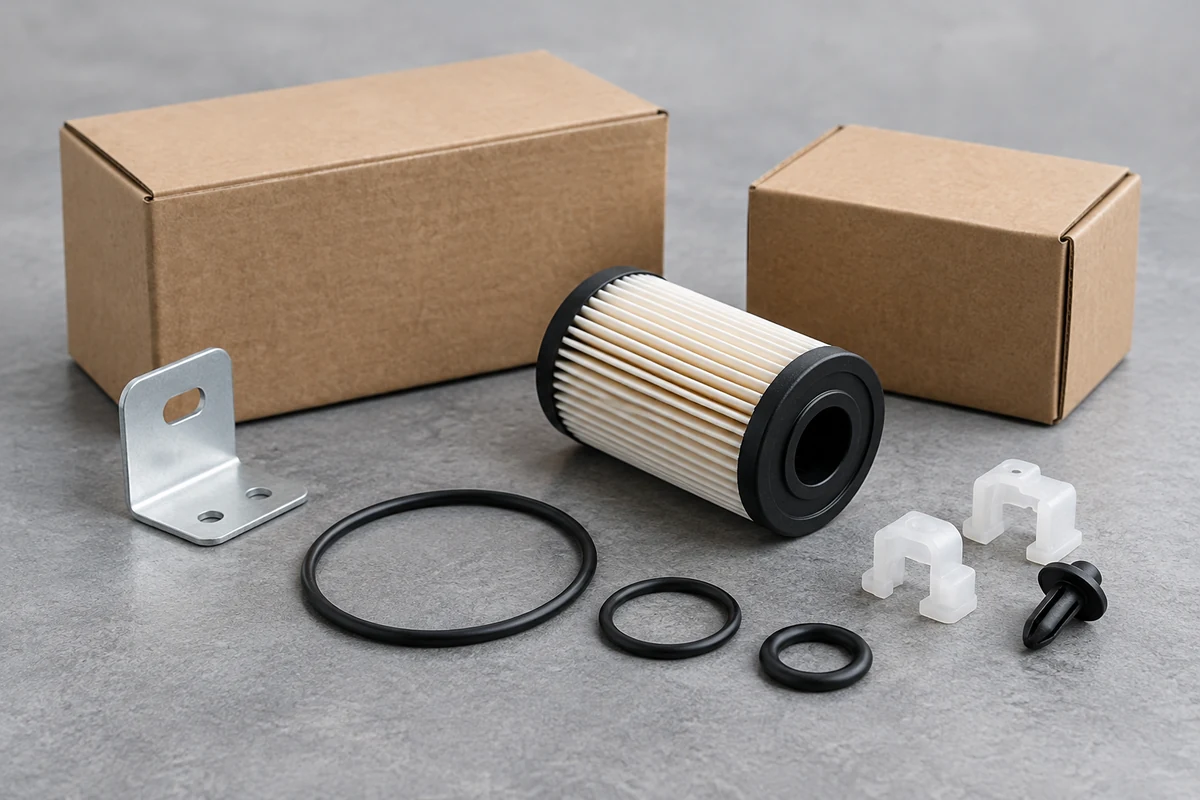
Ask how the broker counts chargeable customs entry lines and handles duty advances for a mixed repair-parts shipment; warehouse SKUs are not a fee basis by themselves.
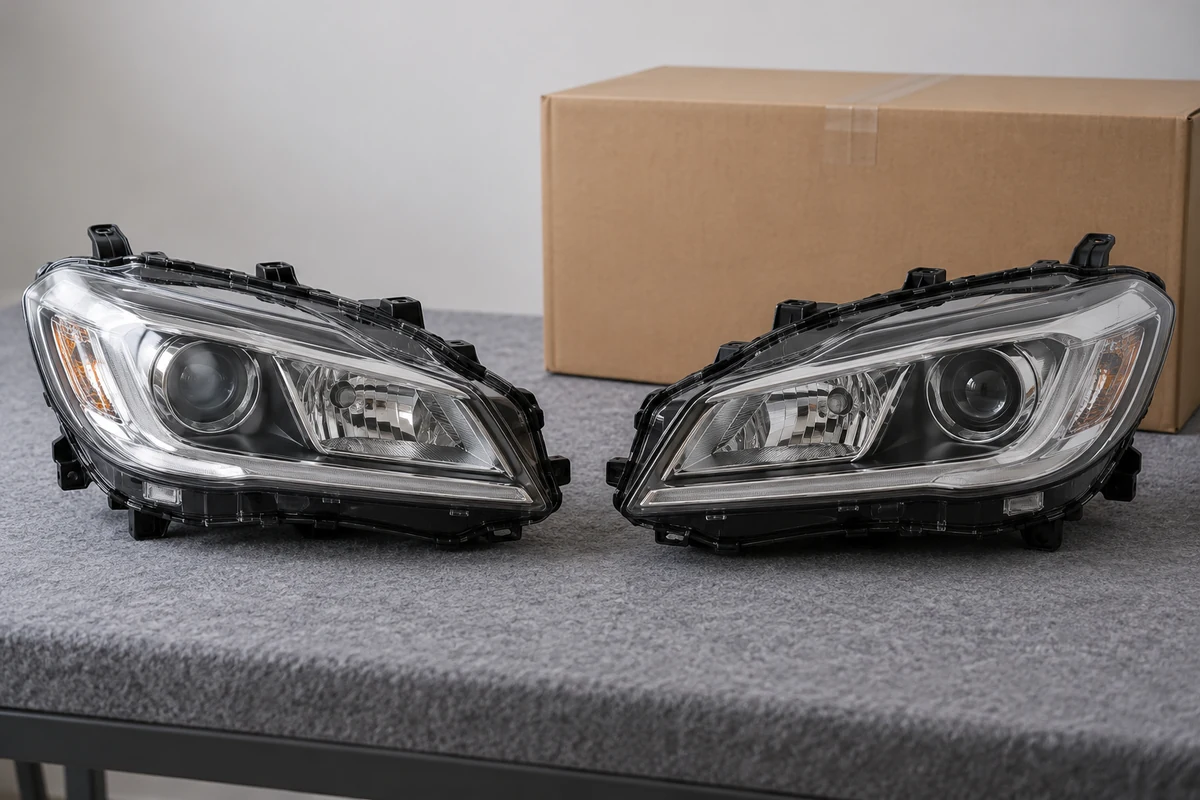
Tie rejected headlamps to the original UK entry and confirm the applicable process before return or destruction, keeping supplier credit separate from duty recovery.
State the true purpose and later use of trim colour samples before relying on UK commercial-sample relief or altering the evidence needed for comparison.
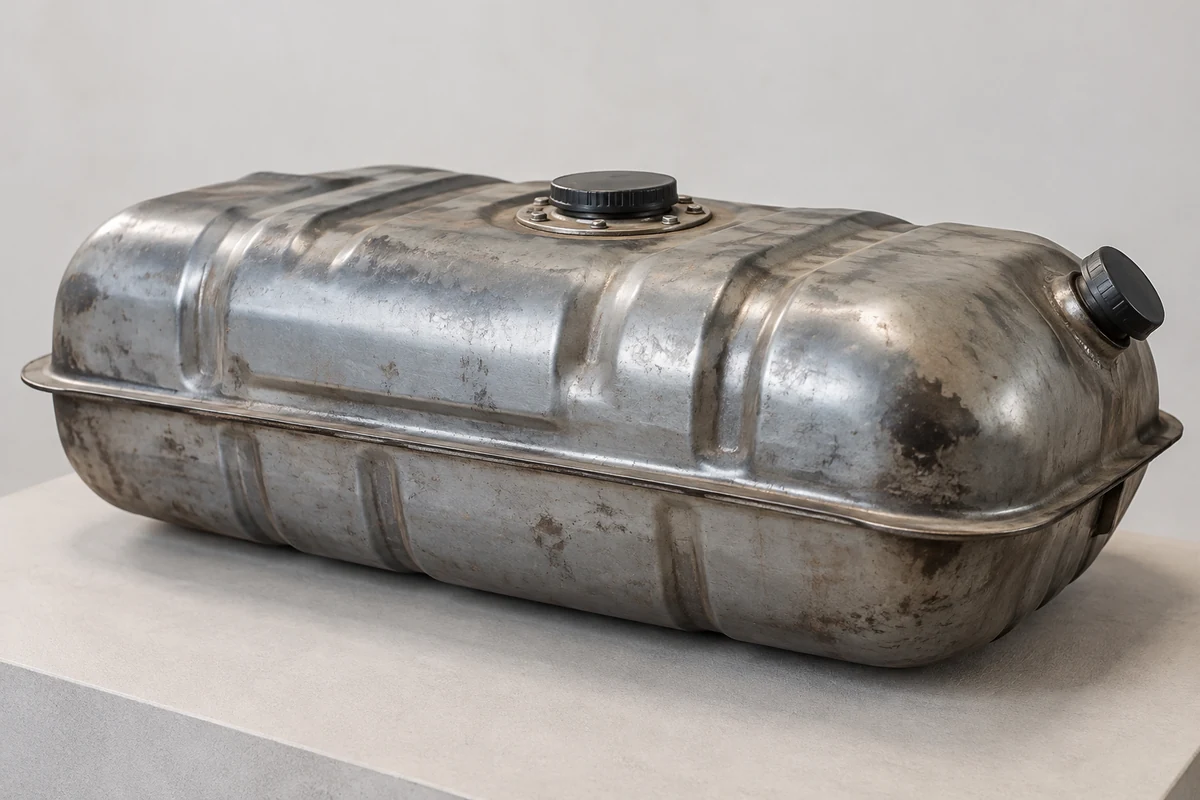
A used fuel tank’s freight assessment must include prior contents and attributable condition evidence; a dry-looking shell is not an unused-cargo record.
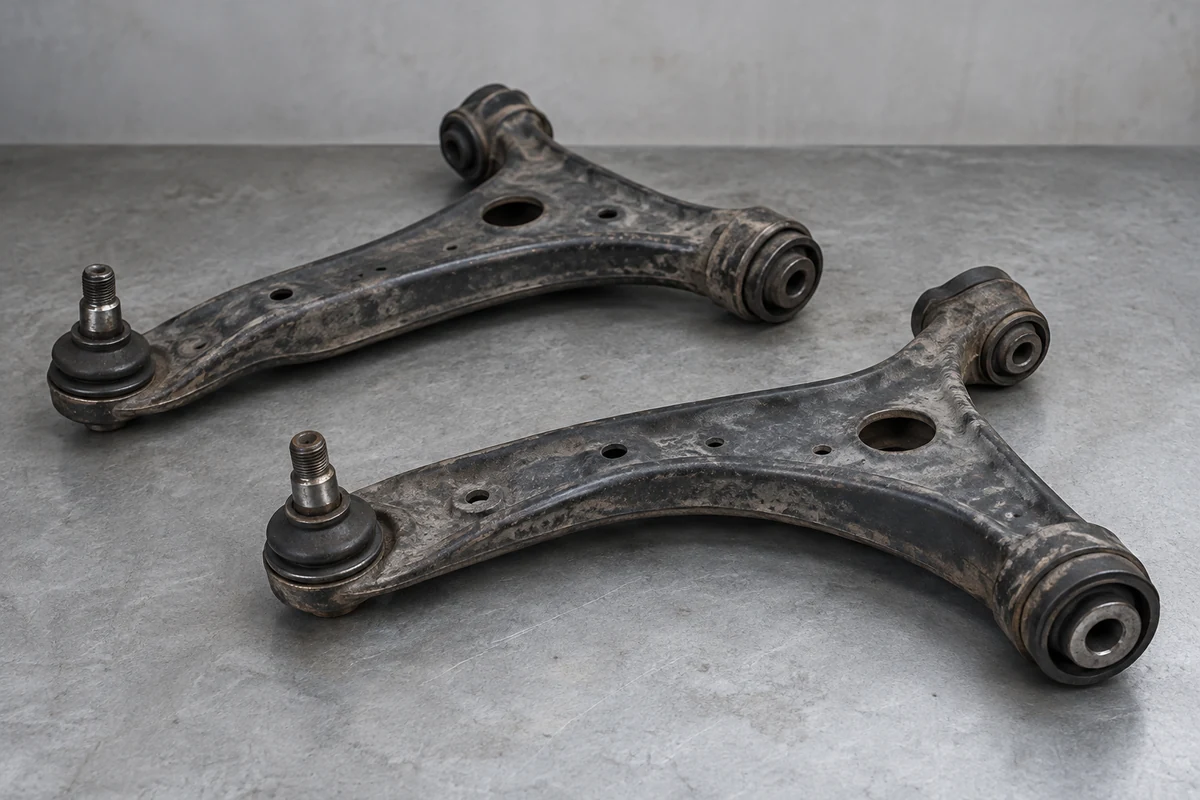
For used suspension parts entering Australia, resolve condition evidence and current parts-specific biosecurity assessment before accepting uncertain arrival costs.