
Bumper freight: identify the surcharge trigger before comparing parcels
Check the final bumper package, applicable service and surcharge precedence before comparing parcel offers or accepting overlapping handling fees.
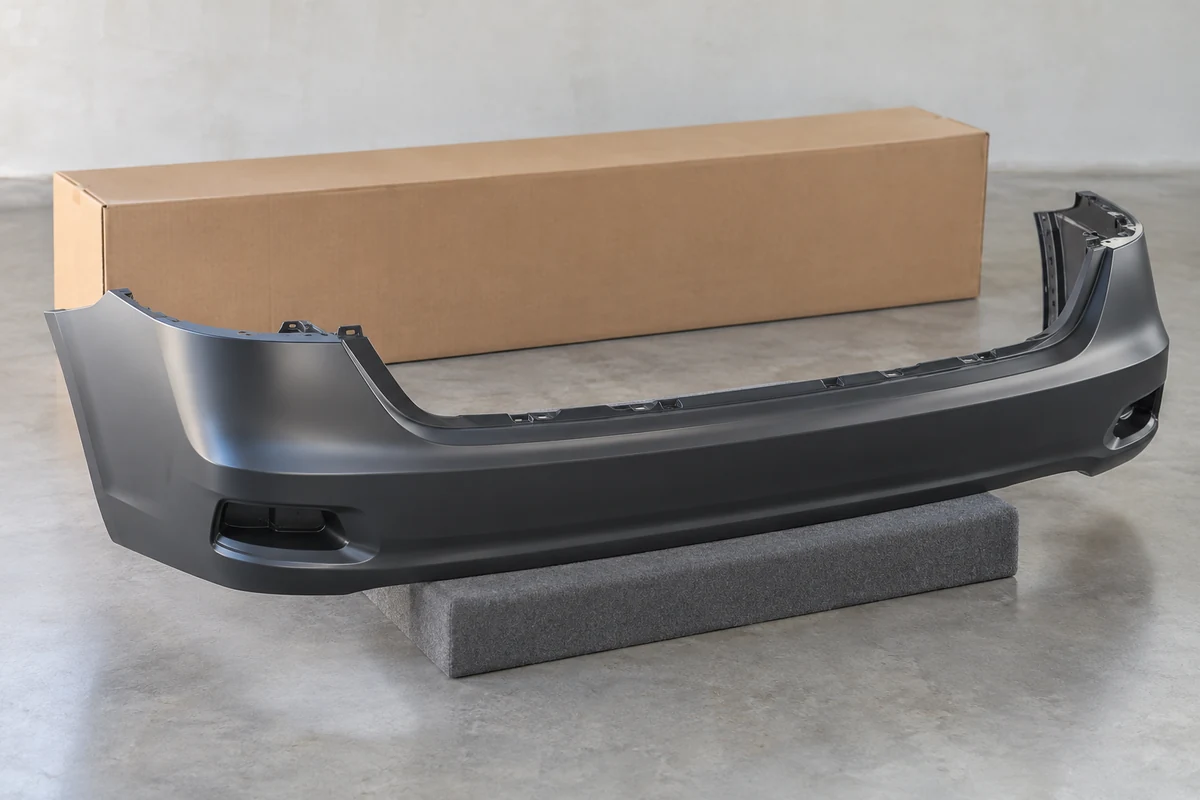
A bumper parcel surcharge comparison starts with the final package and the rule used to charge it. A quote may mention unusual packaging, length and a large-package fee at once. Those descriptions do not establish that every named fee belongs in the total. Ask the provider which trigger governs the actual bumper parcel and which charges it replaces.
This is a review of the proposed bill, after the bumper and protective arrangement have been specified. It does not authorize bending a bumper, reducing protection or changing the ordered part to cross a tariff threshold.
Connect the surcharge to the finished shape
Ask the supplier for a dated record of the bumper's final outer envelope, including any protruding protection, and its gross packed weight. Identify whether the offered handling unit is a carton, a wrapped irregular object or another documented form. Keep that description beside the exact bumper reference and quantity per package.
UPS's US dimensions guidance measures an irregular package through the rectangular space enclosing its extreme points. It directs readers to the applicable rate guide for billable weight. That is a useful example of why a bumper's nominal product length cannot settle its parcel charge. UPS package dimensions and weight
The buyer need not reconstruct a carrier invoice from a photograph. The useful task is to establish which physical record the provider used. If the supplier later adds end protection, have the provider price the revised envelope rather than continuing to use the earlier figure.
Ask for precedence, not a list of possible fees
The September 2026 UPS US Daily Rates guide provides a bounded example: multiple Additional Handling triggers lead to one charge under a stated priority, and Additional Handling is not assessed when its Large Package Surcharge applies. This does not remove unrelated charges or establish the tariff for a China-origin account. UPS US Rate and Service Guide, PDF pages 181 and 183
Ask the actual provider to identify its service, tariff version, account basis and relevant provision. Then ask it to mark each proposed surcharge as applicable, displaced by another rule, or still awaiting measurement. A forwarding quote may use different commercial labels; request an explanation of what the quoted line actually buys before alleging double charging.
Use a bumper-specific charge worksheet
| Field | Evidence to request | Decision it supports |
|---|---|---|
| Final envelope | Dated packed dimensions and gross weight | Establishes the object priced |
| Packaging form | Description tied to the packing revision | Tests the stated handling trigger |
| Applicable tariff | Service, account and effective version | Prevents importing another lane's rule |
| Governing trigger | Provider's clause-specific answer | Identifies the selected surcharge |
| Overlapping fee | Why retained or displaced | Reveals an unsupported addition |
| Revised quote | Total tied to that answer | Provides a comparable offer |
Keep a blank response visible. Writing zero beside an unanswered surcharge question would make a provisional quote appear settled. Conversely, adding every conceivable fee would overstate the provider's offer. The worksheet distinguishes those two errors.
Fictional comparison: two names for one condition
Imagine two fictional quotes for the same packed bumper. One includes a named large-package line. The other lists both a size-related charge and an irregular-packaging charge without stating the tariff. There are no observed rates or actual carriers in this example.
Send the same packing record to both providers and request their charging basis. If the second provider says its own terms retain both charges, ask for the supporting scope rather than applying UPS's US priority automatically. If it acknowledges that one line was only a possible trigger, request a corrected offer. Either answer is more useful than guessing a saving.
If the providers priced different package forms, resolve that difference first. A lower price based on an unapproved compressed shape does not answer the original purchase. Keep technical and packaging acceptance separate from tariff arithmetic.
Close the quotation question
Retain the provider's answer with the final dimensions, quote revision and validity. Ask what measurement or packing change would require a new rating. The comparison is ready only when each provider has priced the same approved physical proposal and explained the applicable fees. This article supplies neither a universal bumper surcharge nor an available parcel route.
The primary guidance cited here was checked on 14 October 2026. Recheck the applicable current rules and provider terms before committing to the actual shipment.
Keep the buying enquiry within scope
For product context, see Body parts. The Autoparts sourcing request can start an independent aftermarket or unbranded buying enquiry with a short description or supported product link. It accepts up to five PNG, JPEG, WebP or GIF images, at most 10 MiB each and 20 MiB total; descriptions are 8–1200 characters. Arrange other documents through a separately agreed, authorized exchange. The form is not a PDF, CAD or ZIP portal.
Supplier information and negotiation do not establish product suitability, specialist transport acceptance or customs approval. Keep those decisions with the responsible qualified parties. No freight service, branded-product offer or guaranteed outcome is implied here.
Frequently asked questions
Can a bumper attract both Additional Handling and a Large Package Surcharge?
The cited UPS US guide excludes Additional Handling when its Large Package Surcharge applies. Ask the actual provider to confirm the applicable service and tariff before using that rule. Another quote may have different terms or commercial labels.
Why does the packaging form matter if the bumper dimensions are known?
The carrier receives the finished handling unit. Protection, protrusions and outer packaging may change the envelope or trigger being assessed. Tie the quote to that final record rather than the bare bumper drawing.
Should I add every possible bumper parcel fee to my budget?
Keep confirmed charges separate from unresolved possibilities. Ask which triggers govern and whether a charge displaces another. A list of possible fees is not a provider-confirmed total.
Can I ask the supplier to bend the bumper to lower freight?
This comparison does not authorize altering the part or its protection. Any changed physical proposal needs appropriate technical and packaging review, followed by a fresh quote for the accepted arrangement.
Sources
Discuss a sourcing request related to this article.Bumper freight: identify the surcharge trigger before comparing parcels