For A/C assemblies entering Great Britain, establish the actual gas or holding charge and importer context before relying on an HFC-related cost assumption.
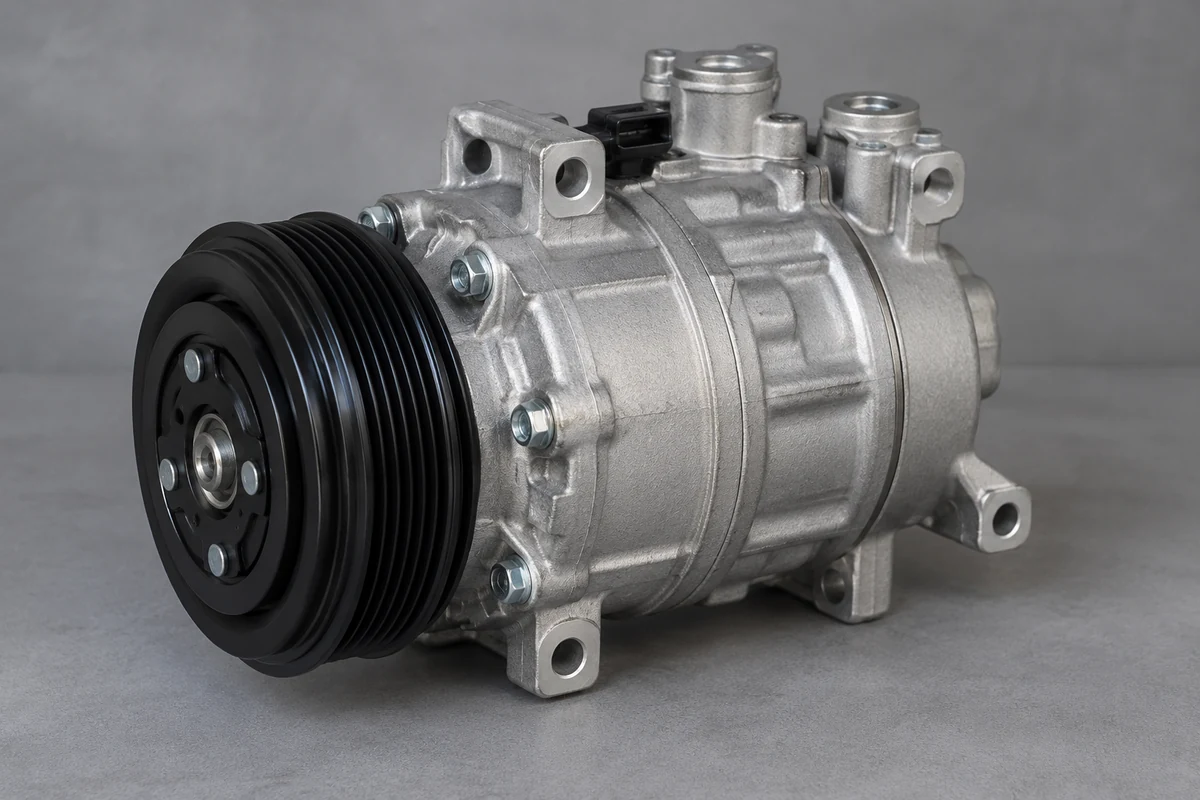
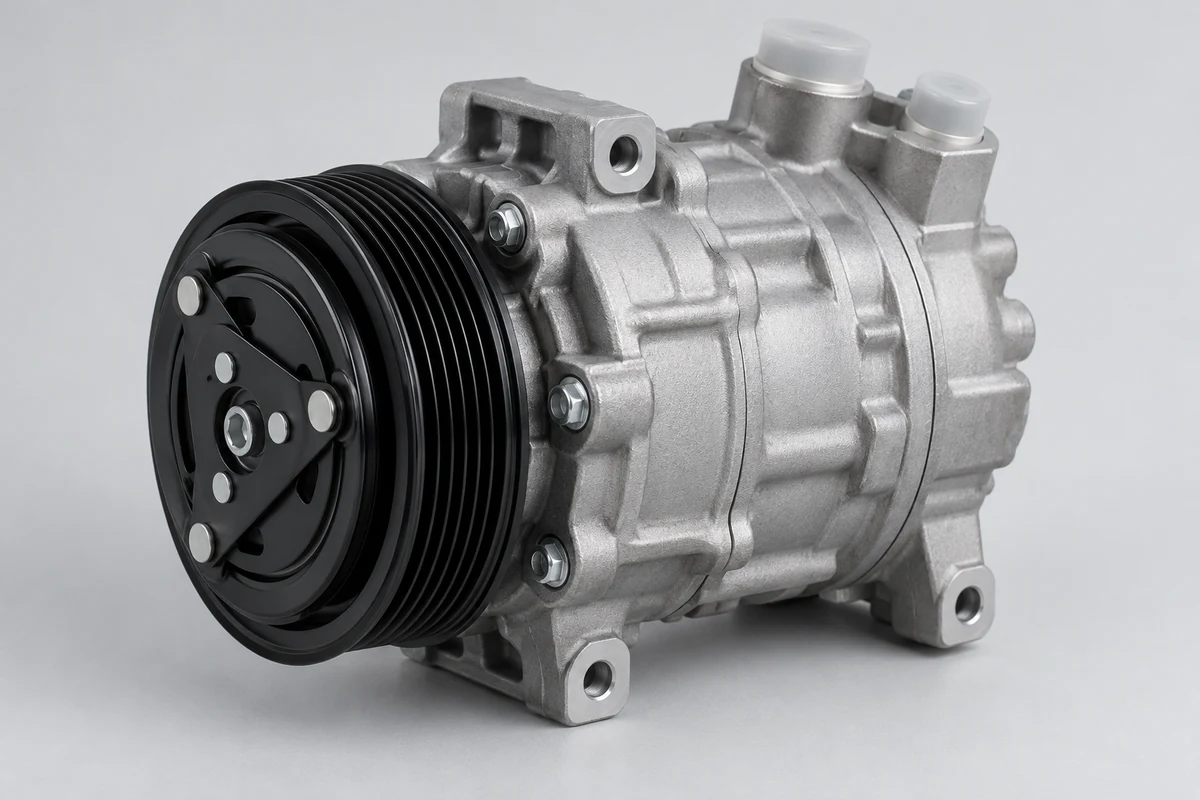
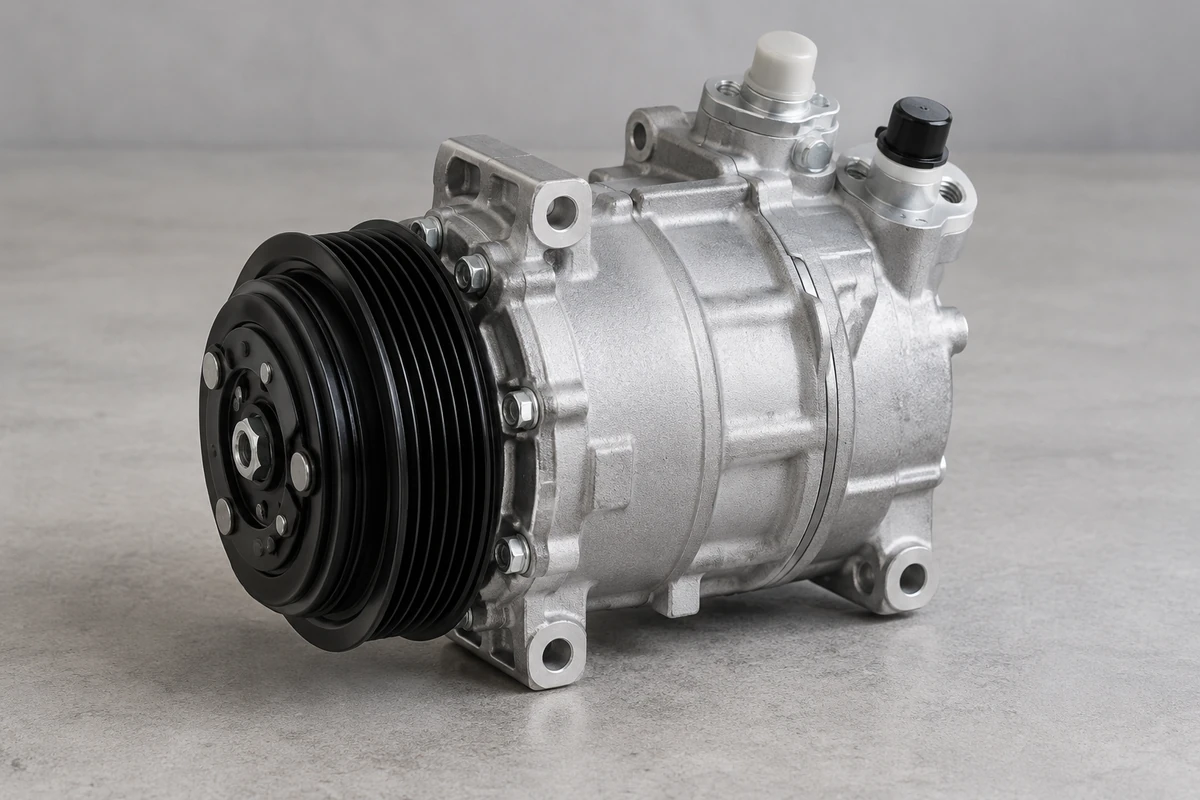
Reconcile a delivered compressor’s identity, oil type and declared quantity basis while preserving closures and keeping missing records separate from physical diagnosis.
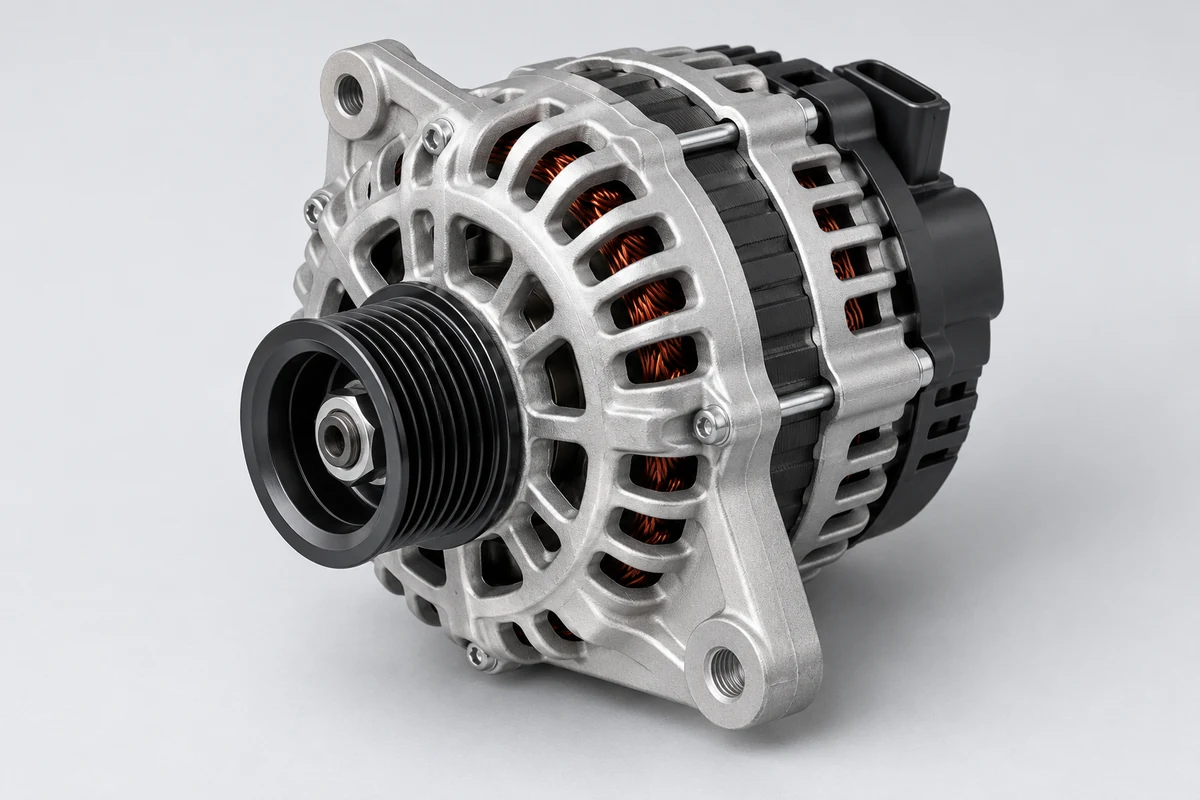
Resolve a delivered alternator’s label-versus-pulley-offset conflict with a shared datum, revision evidence and separate terminal-layout questions before installation.
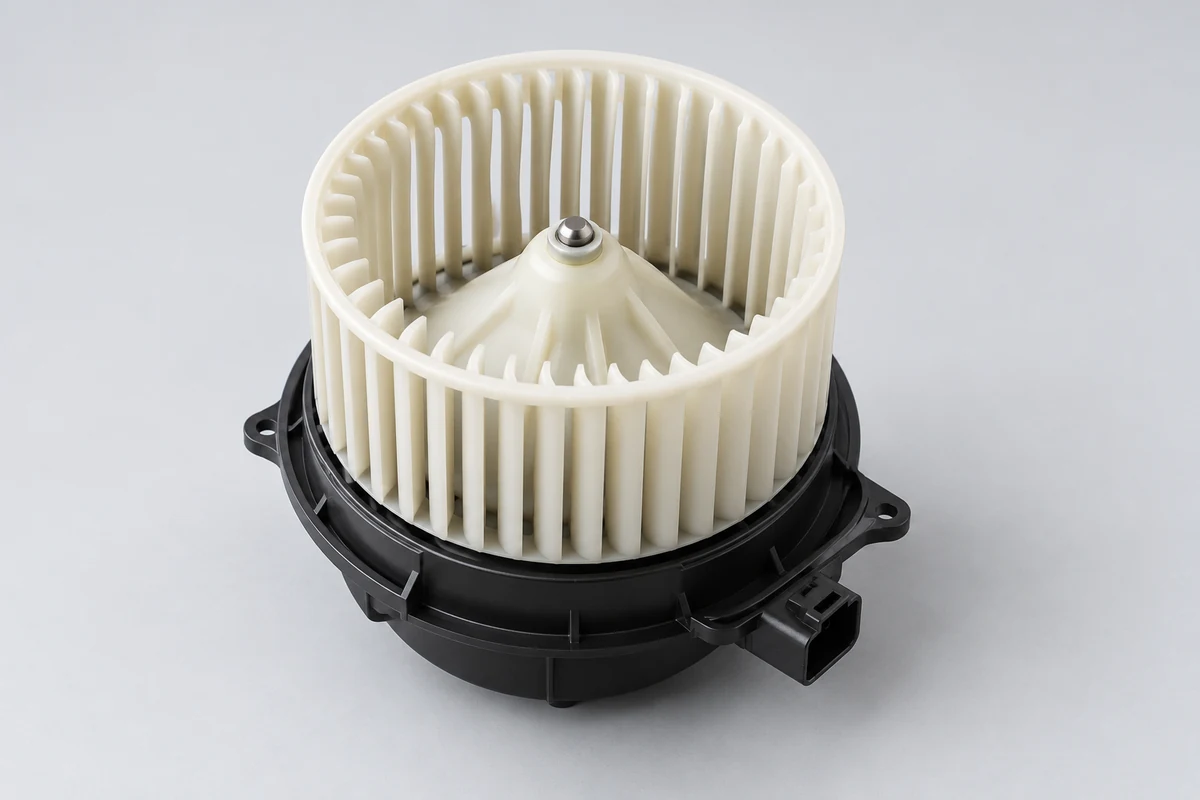
Keep blower impeller damage separate from motor-label evidence, recording accessible blades and housing marks without rotation, dismantling or powered checks.
Keep a replacement compressor’s supplied-fill declaration separate from the existing circuit history, residual-oil question and agreed qualified work scope.
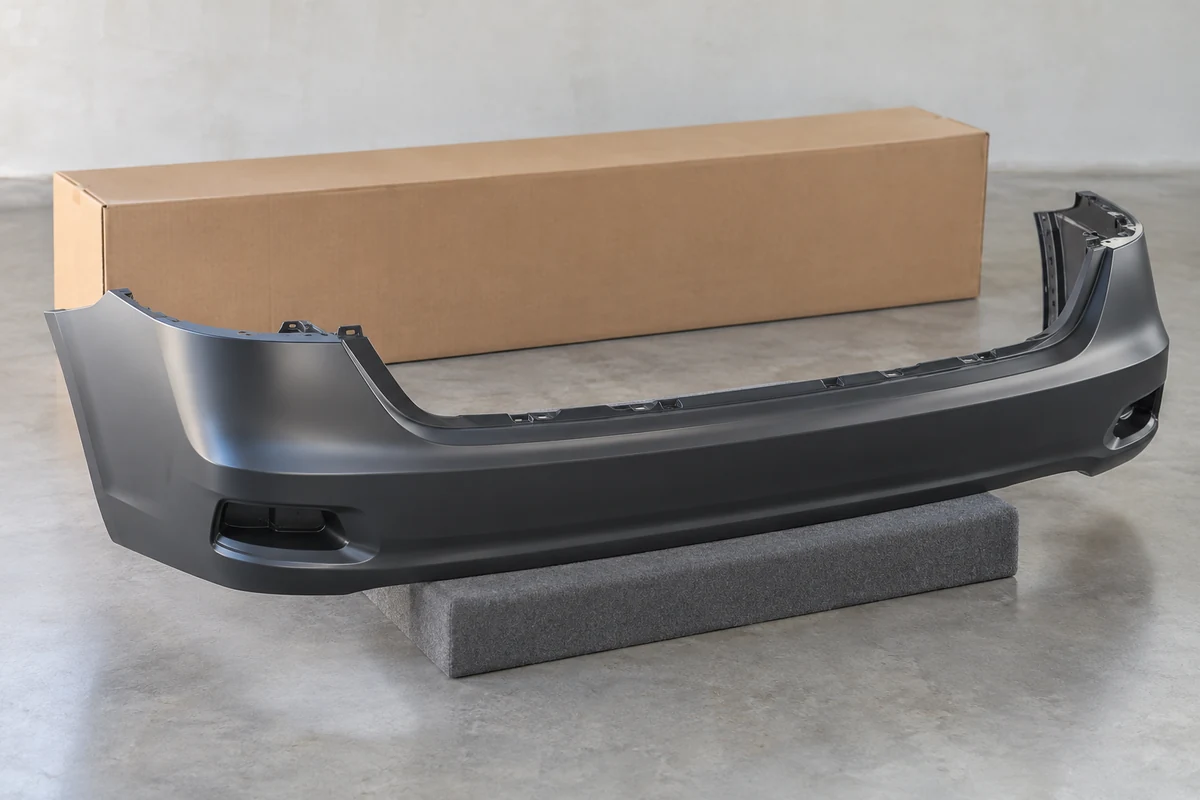
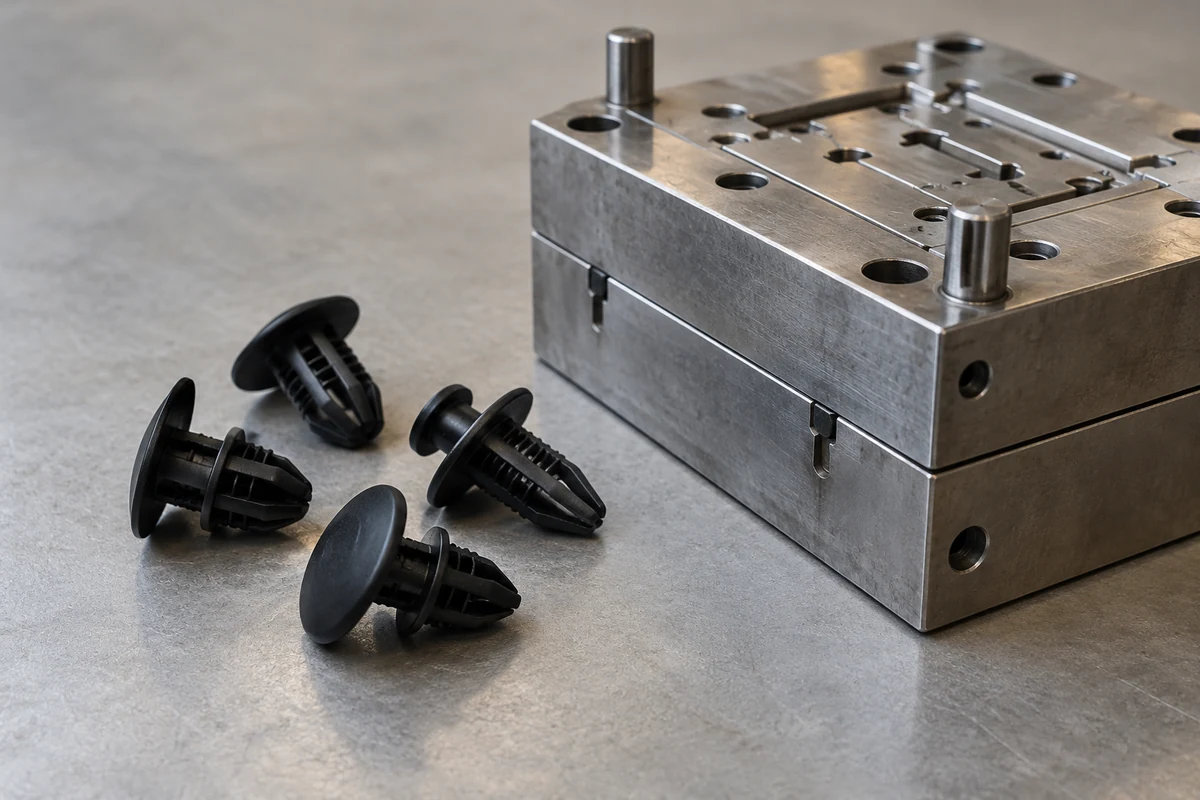
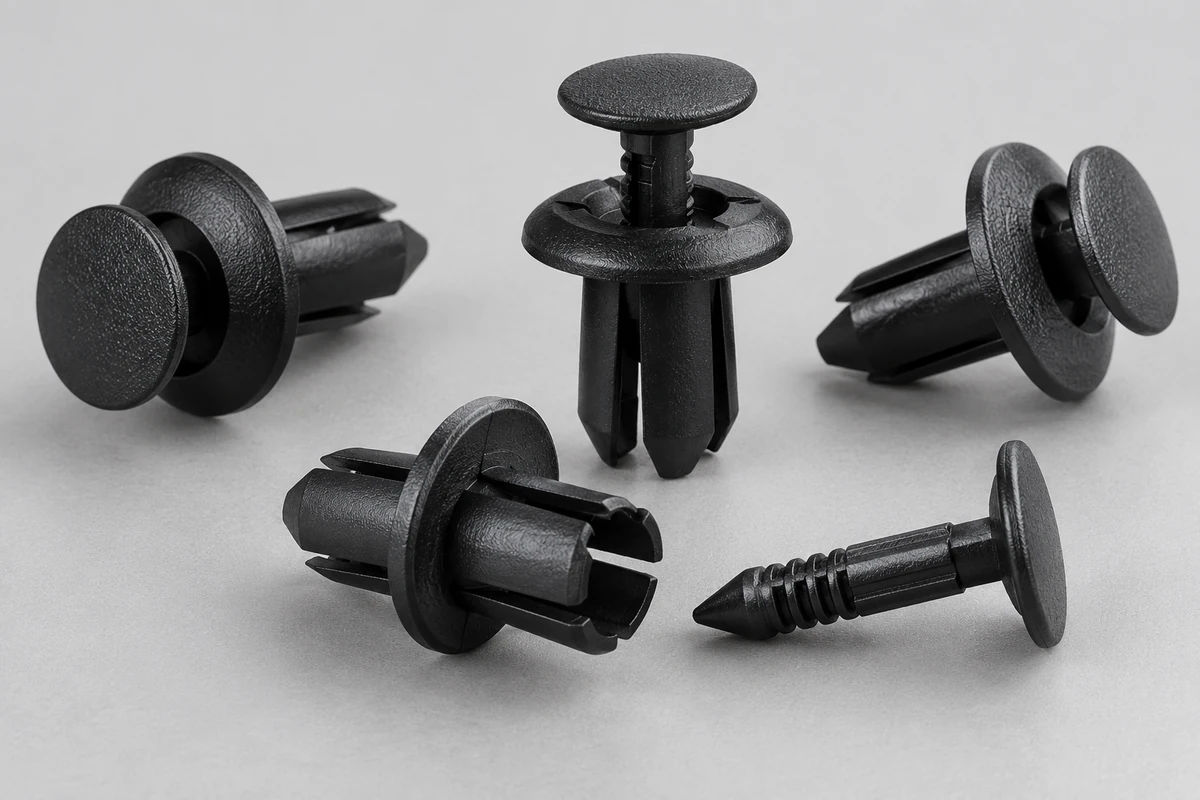
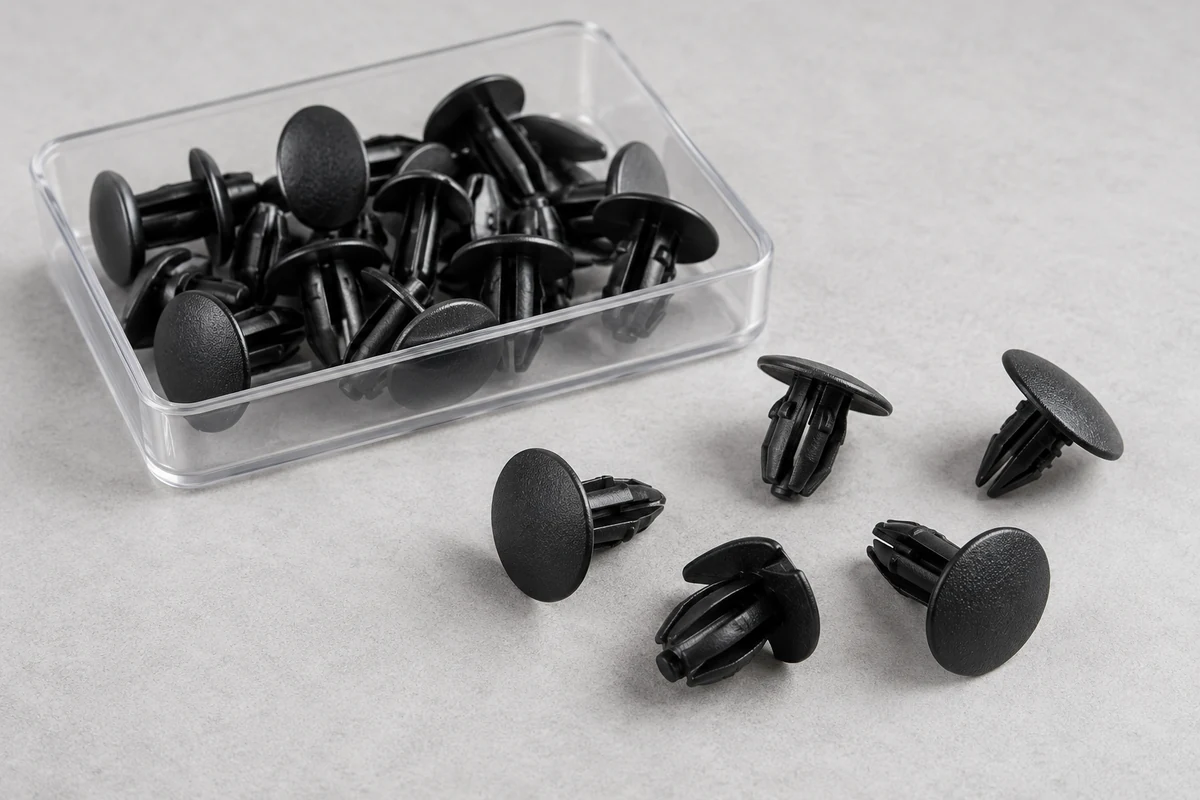
Disclose buyer-funded trim-clip tooling and its relationship to the goods price before comparing UK import costs or assuming a low invoice is the full basis.
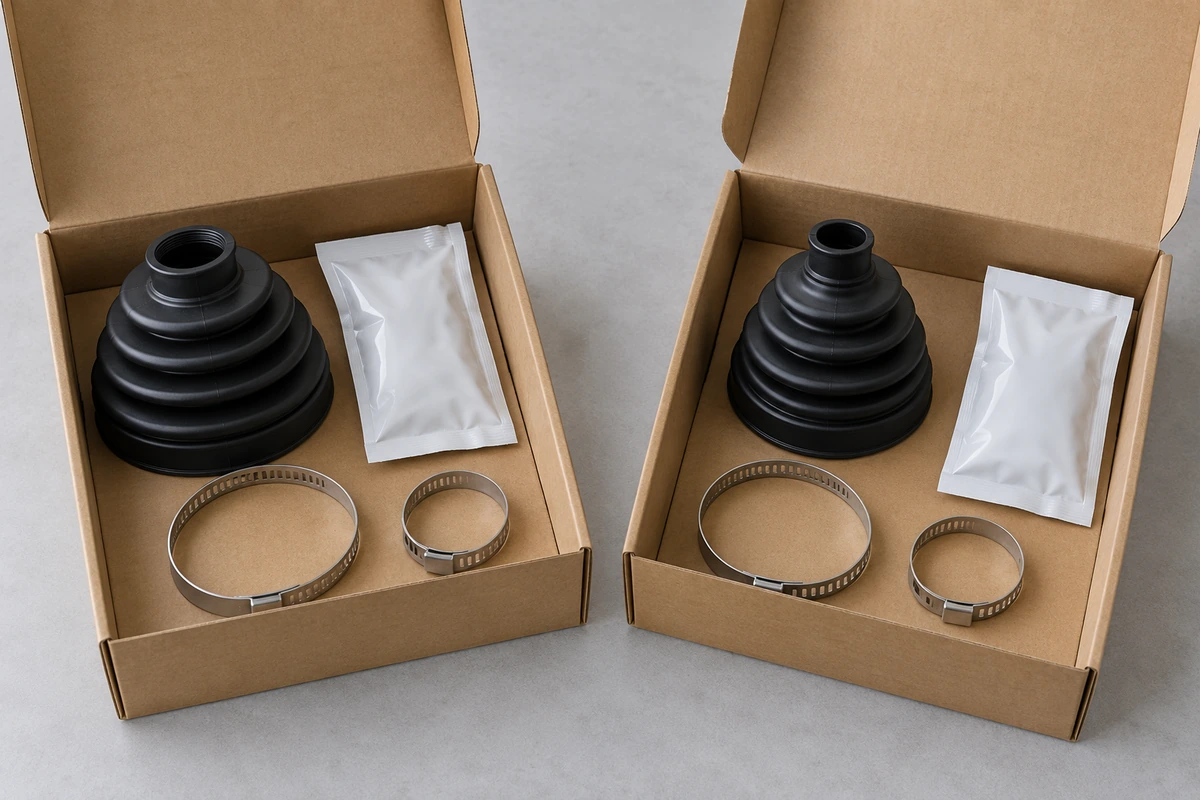
Preserve CV boot kit packet identities during consolidation and require evidence before a shared hardware pack replaces joint-specific or universal-kit allocations.
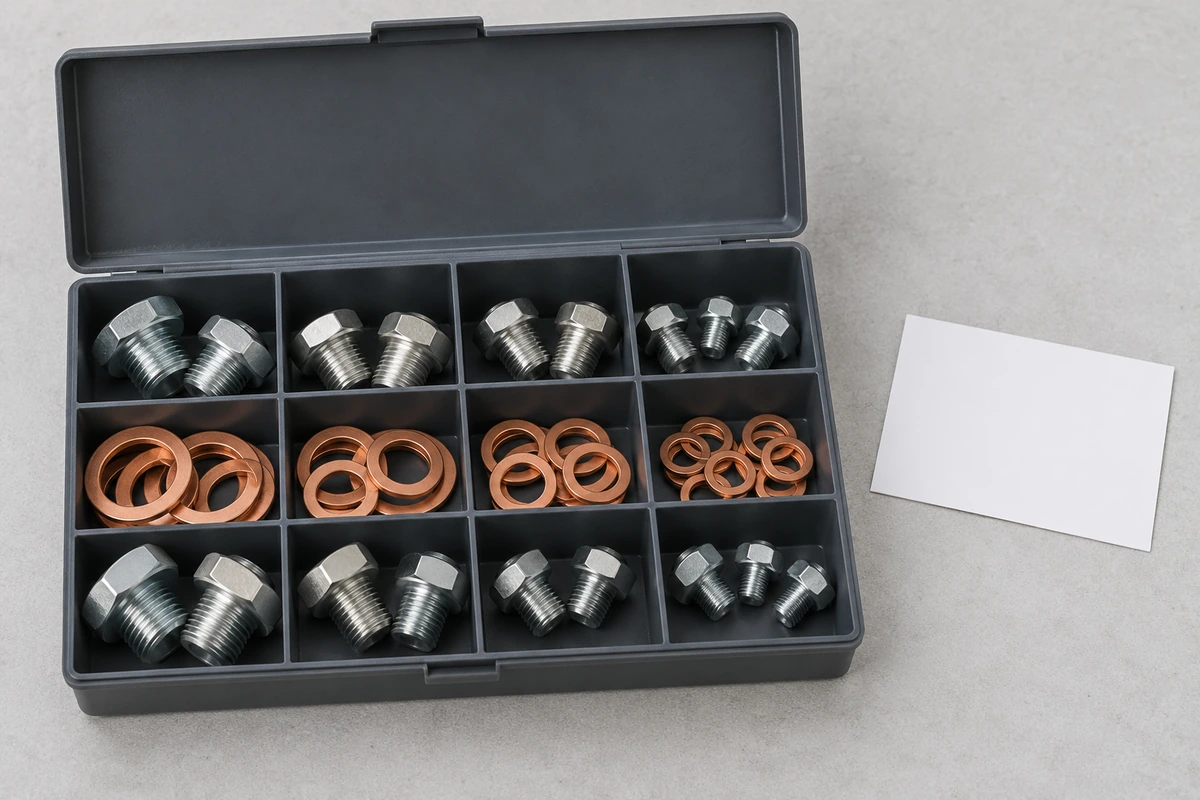
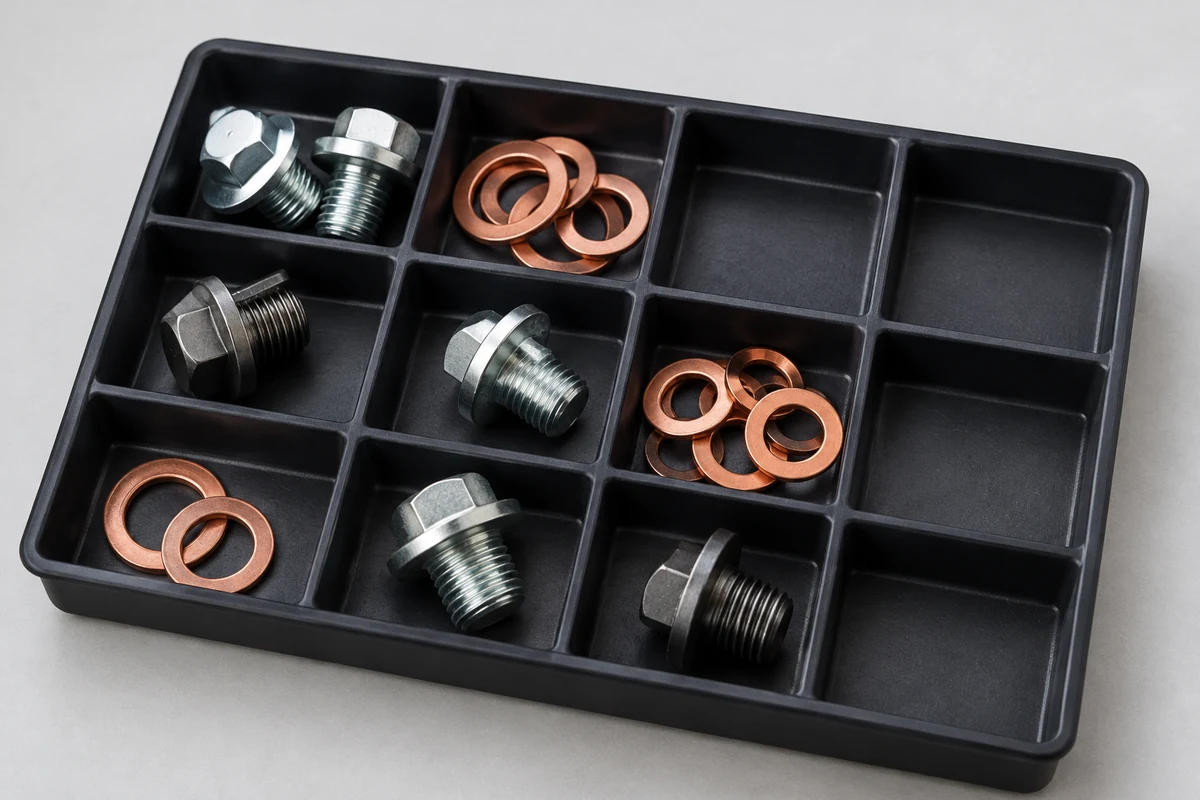
Keep compartment locations separate from documented plug-to-ring associations when resizing an assortment, so a new map does not invent pairings or erase independent stock roles.
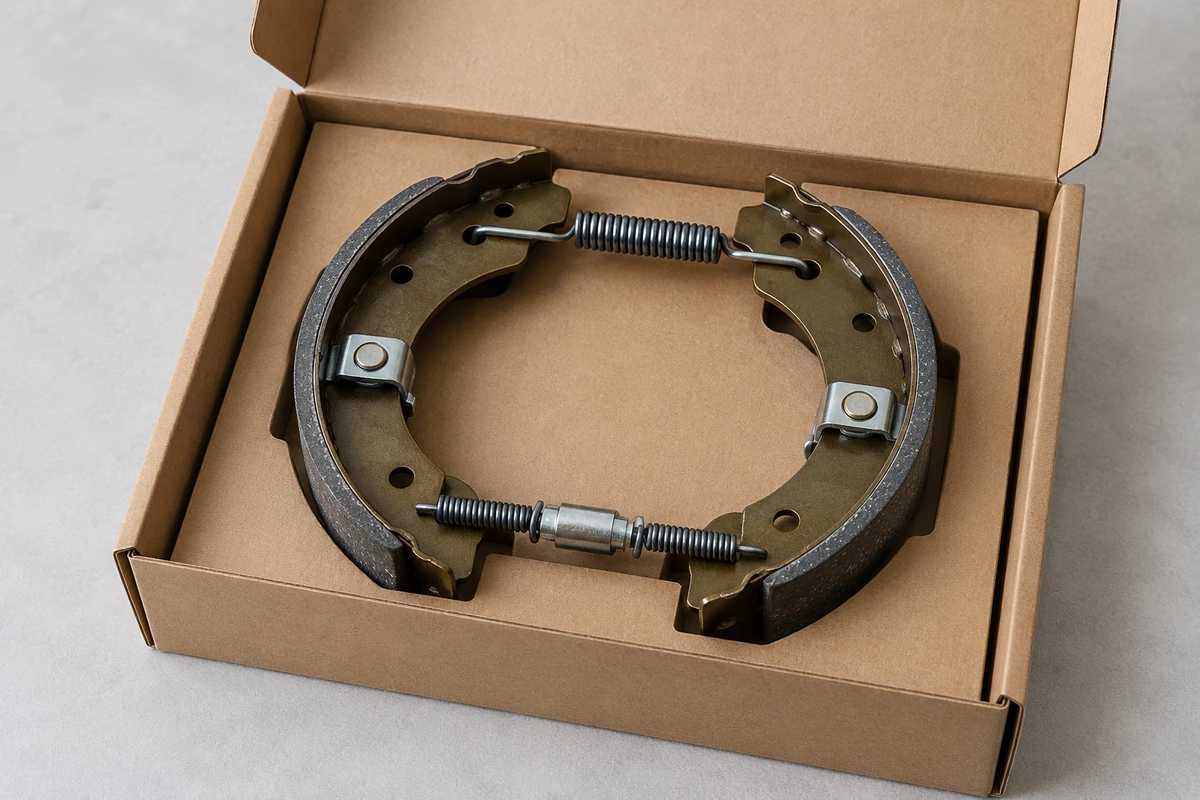
Review smaller-pack proposals against the drum brake kit’s actual preassembled shoe groups, loose components and approved delivered state before release.
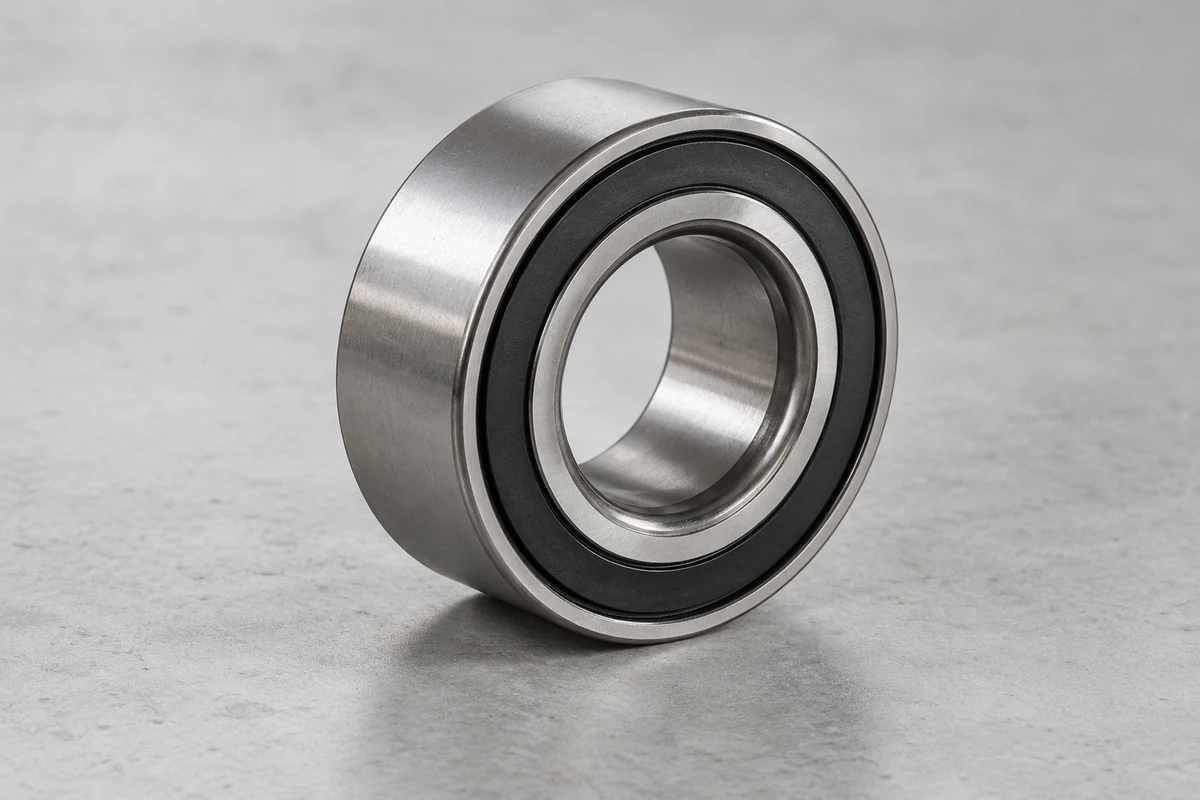
Preserve the applicable encoder-side instruction and attributable assembly evidence for the actual bearing without inferring installed orientation from photos.
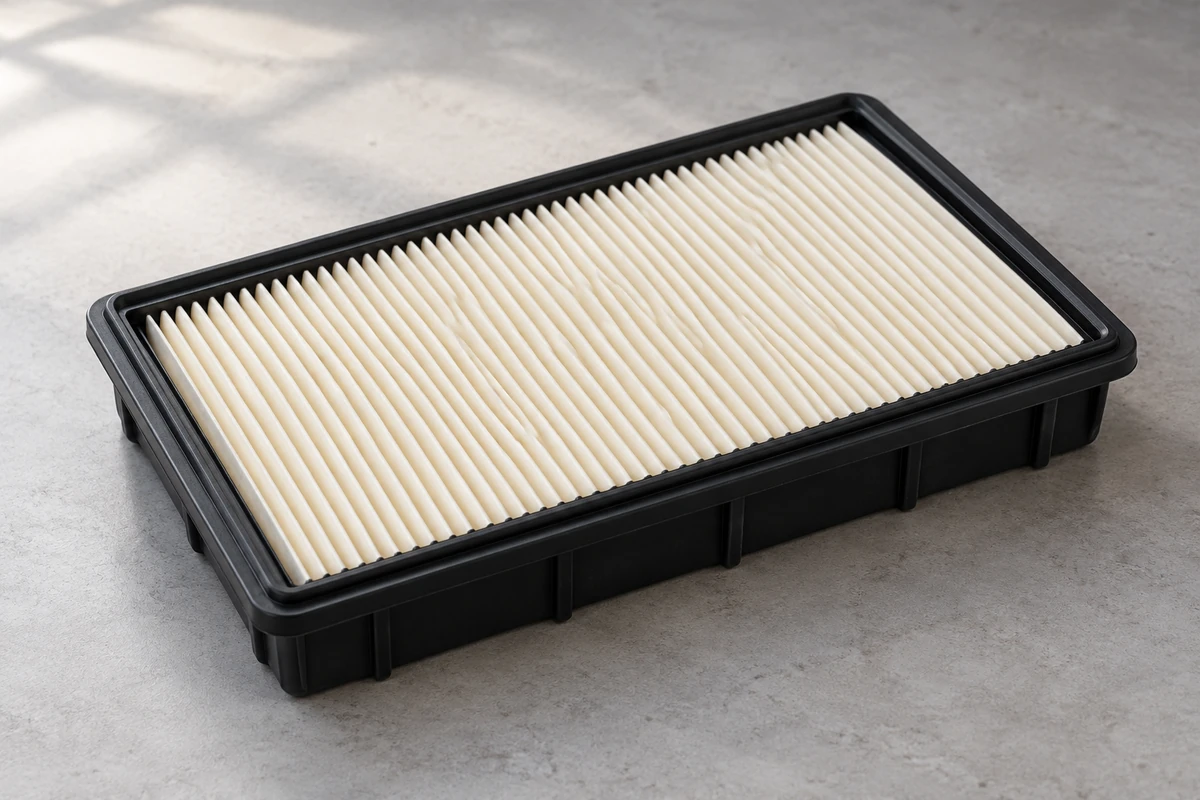
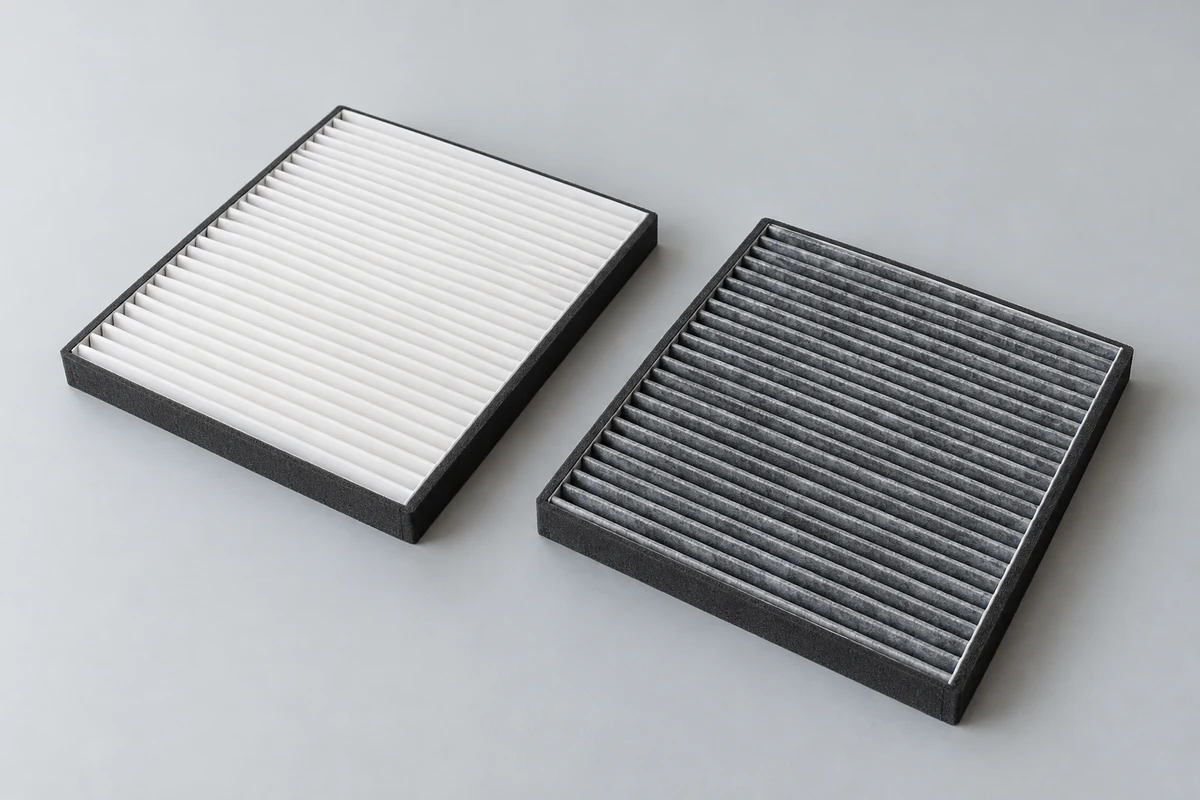
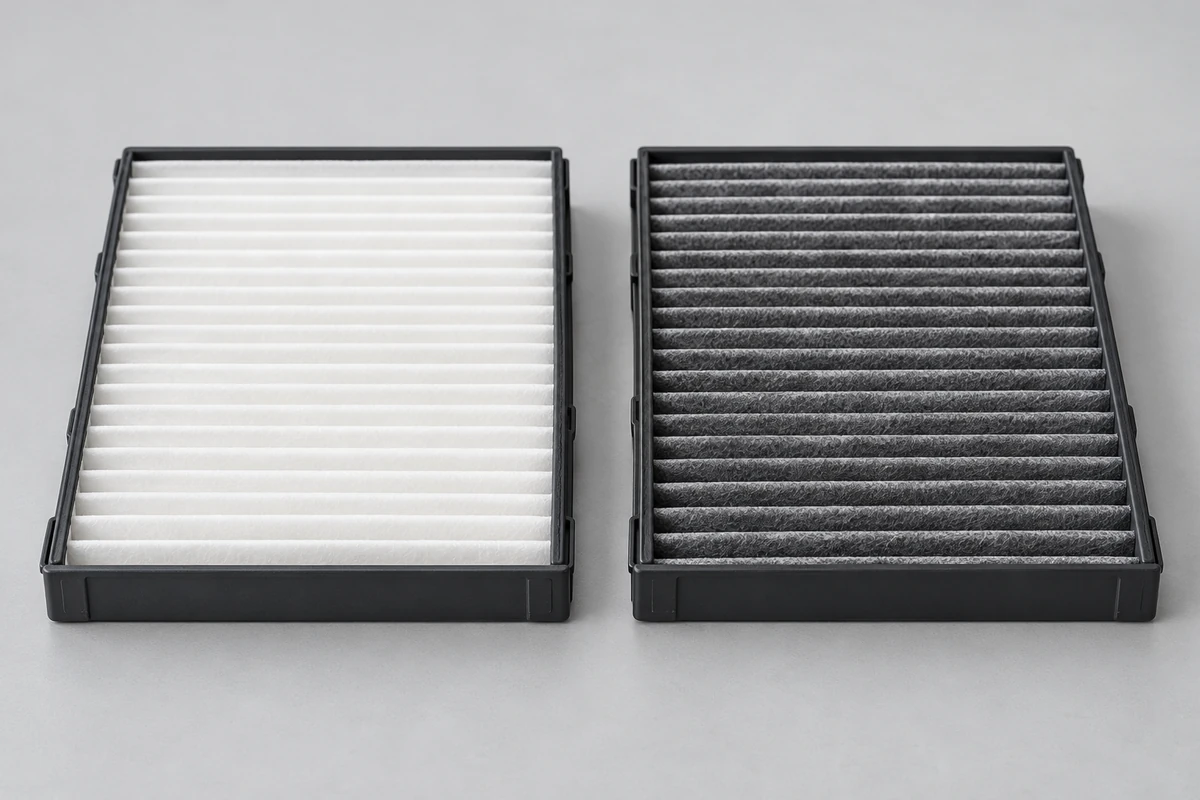
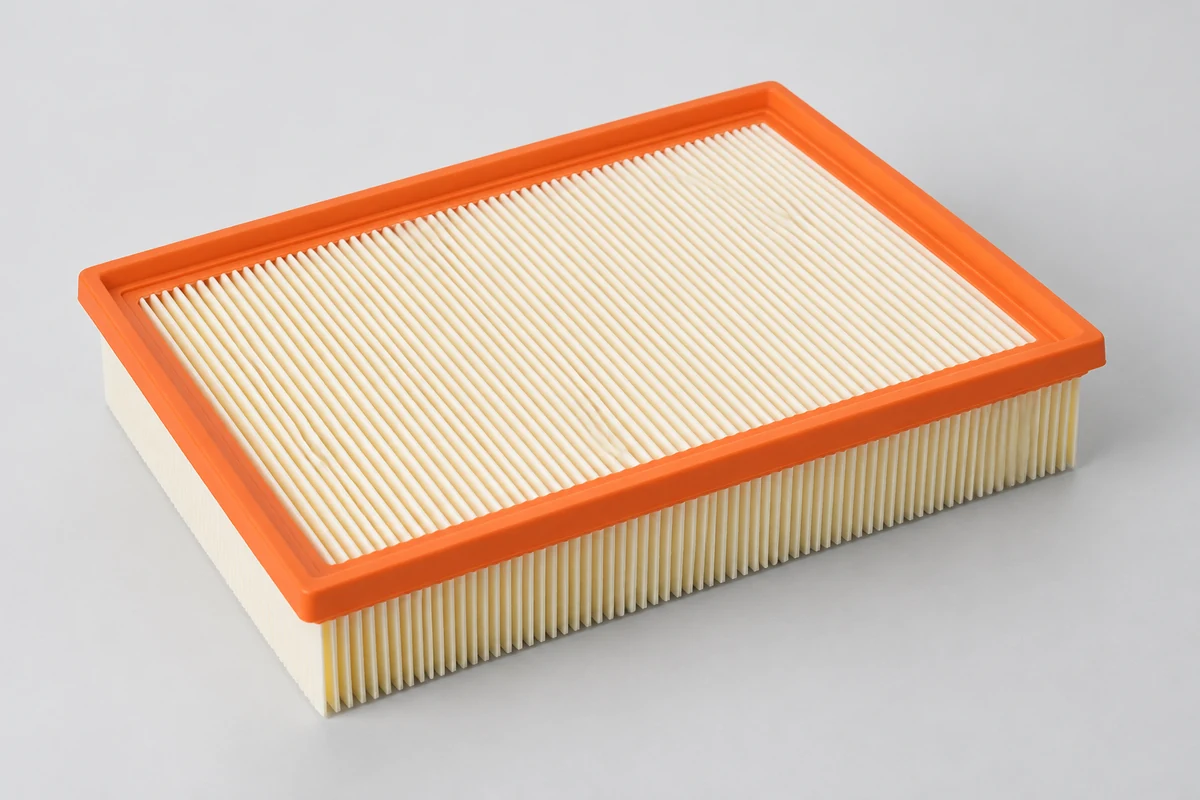
Compare air-filter glue patterns with the approved construction while keeping torn media, collapsed pleats and frame concerns as separate receiving questions.
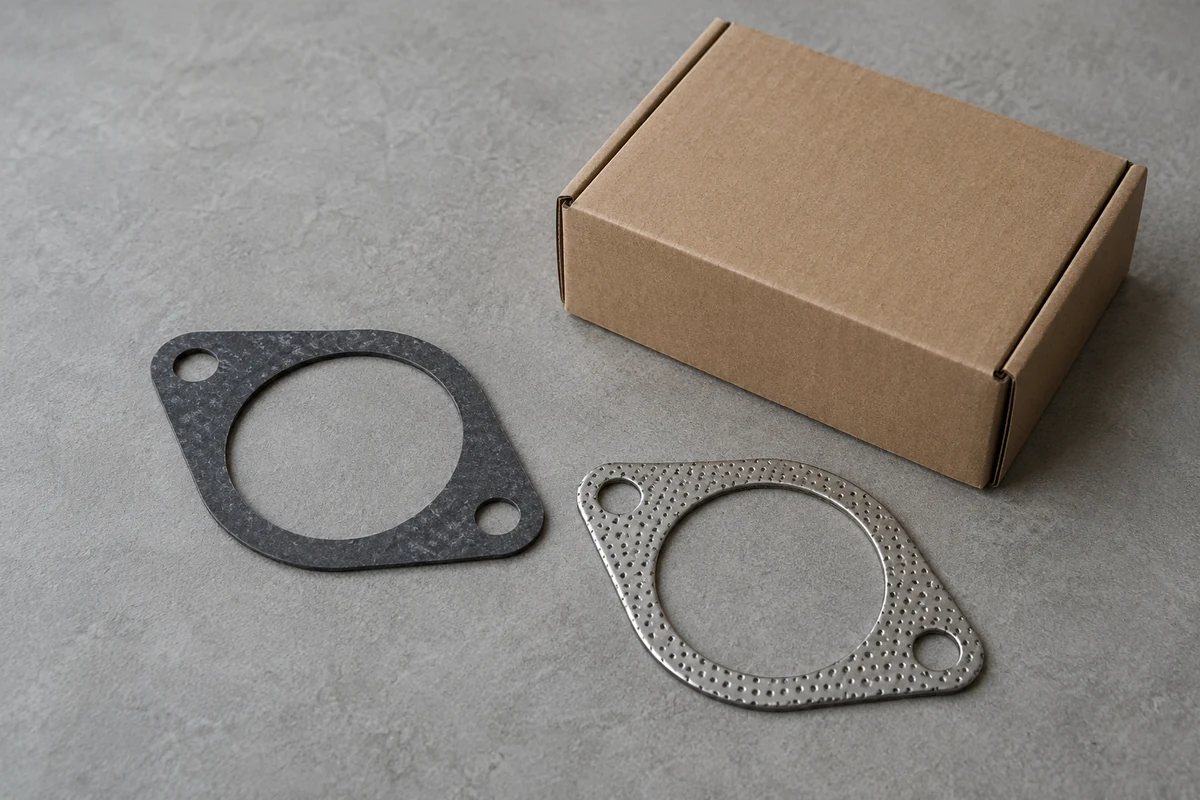
For a separate no-charge gasket replacement shipment to the UK, preserve the settlement and obtain a supported valuation assessment before budgeting freight only.
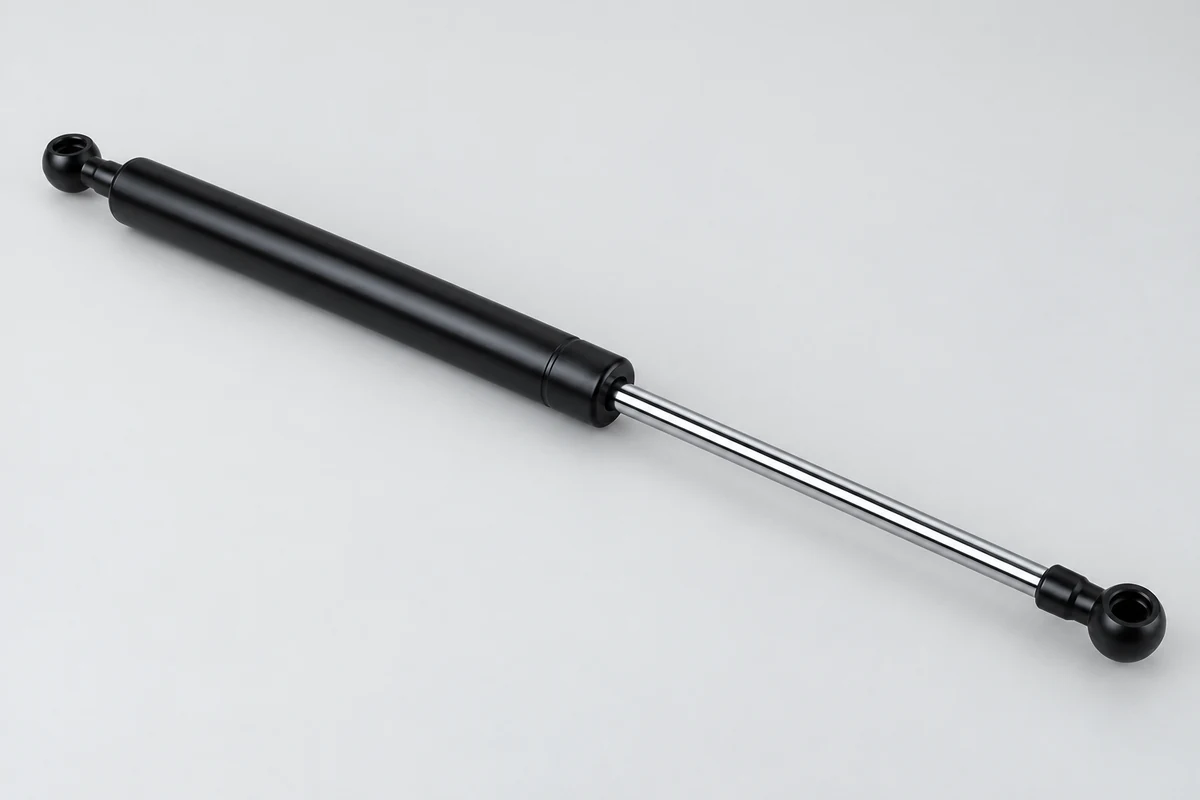
Record gas-strut rod, tube and seal-region concerns separately, preserving adhesive and finish evidence without cleaning, compression or improvised force checks.
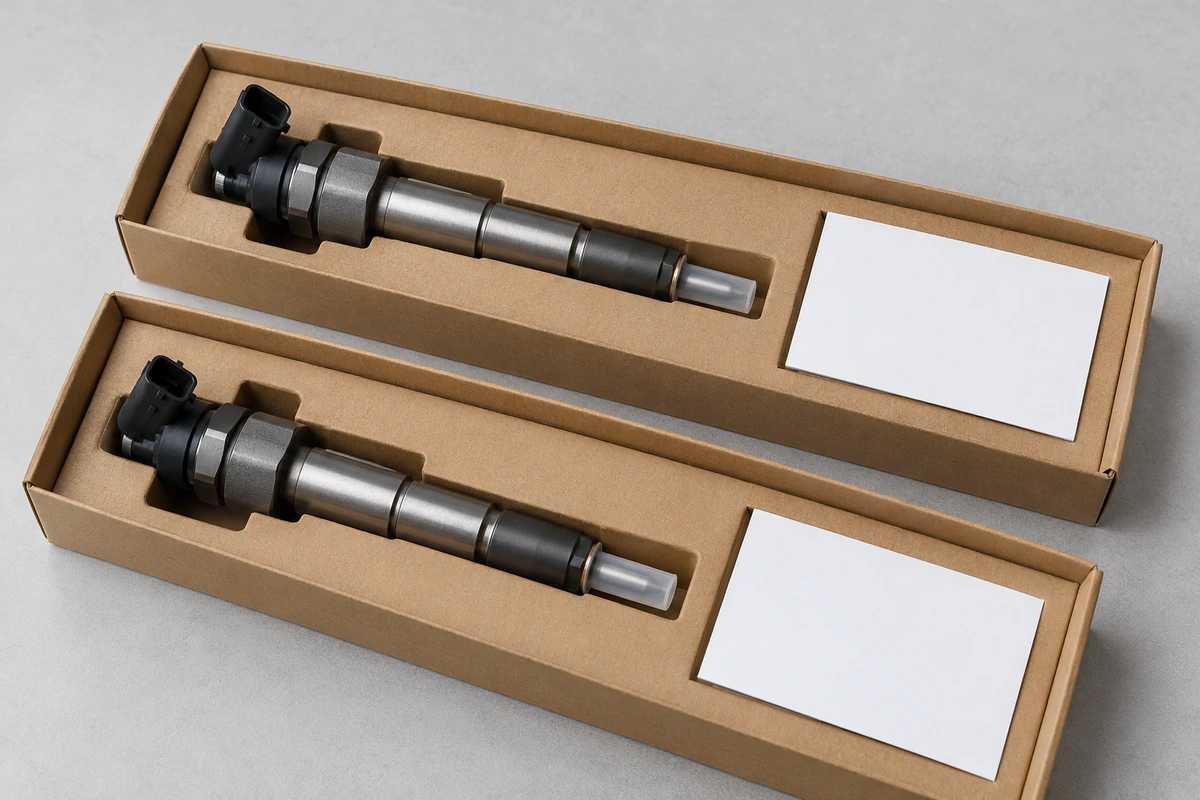
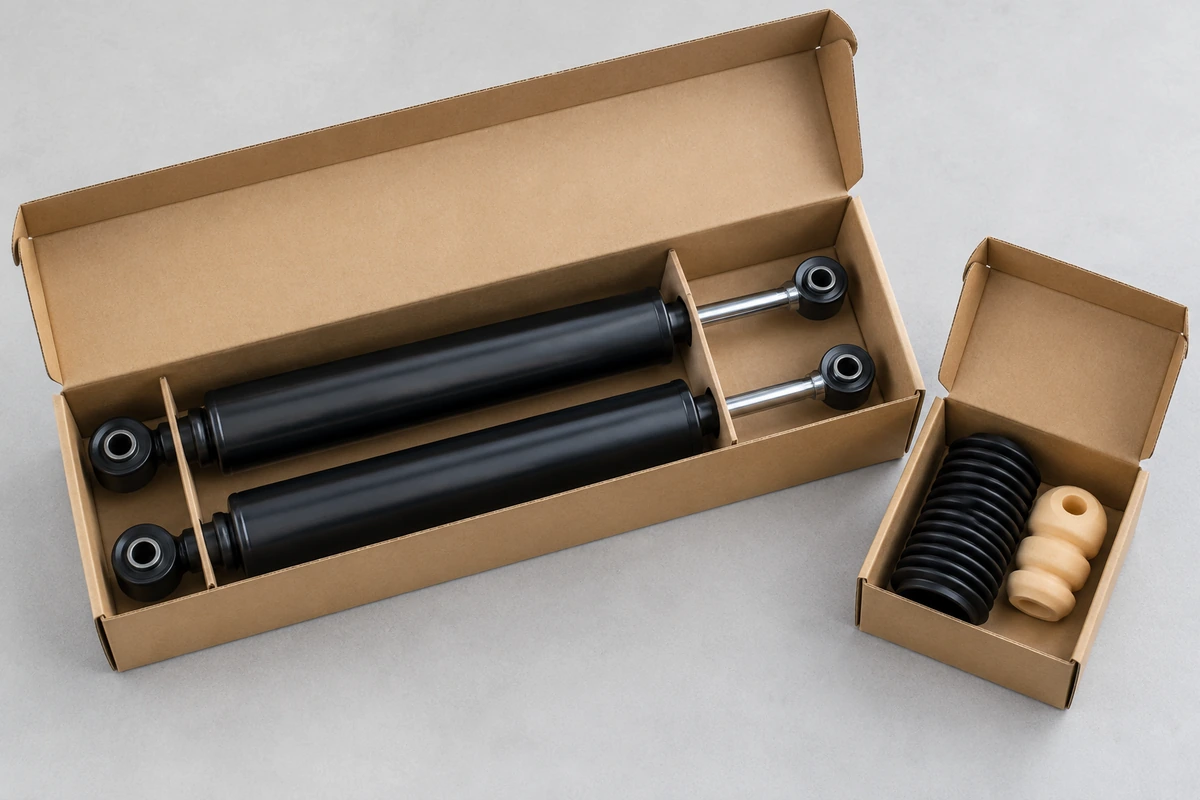
A pair box can carry information used in a manufacturer’s two-step verification process. Check what each recipient would retain before splitting or covering that packaging.
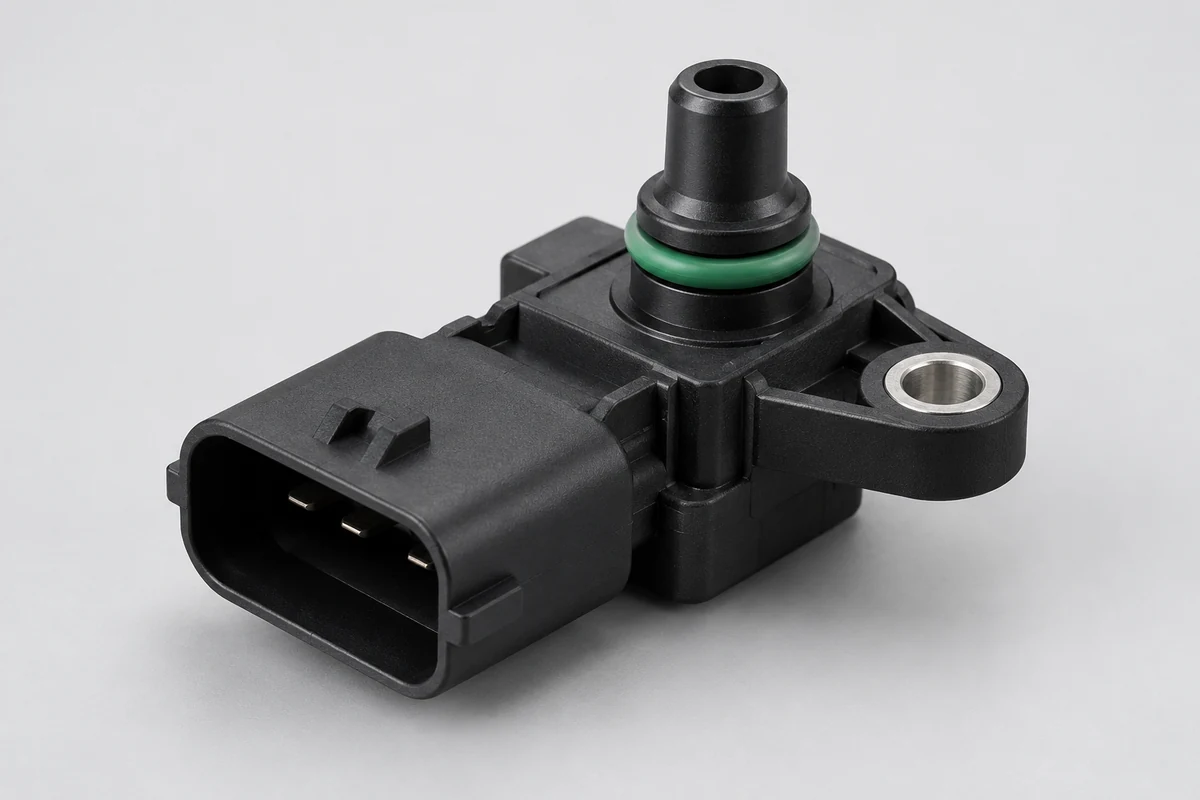
Record MAP/T-MAP identity, external pressure-port condition and supplied-seal damage separately, without pin-count shortcuts, probing or calibration inference.
Ask how the broker counts chargeable customs entry lines and handles duty advances for a mixed repair-parts shipment; warehouse SKUs are not a fee basis by themselves.
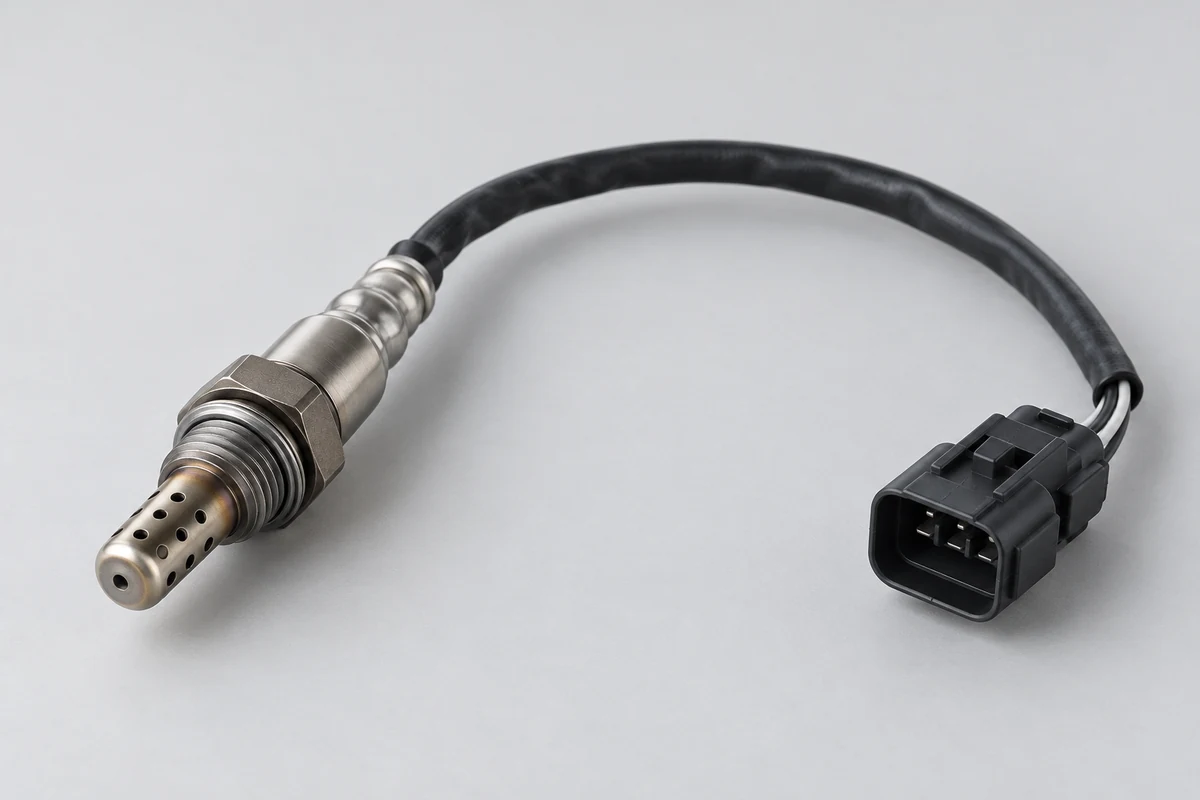
Separate oxygen sensor thread coating from sensing-tip residue, preserve the original condition and request a product-specific explanation before cleaning.
Carry the current seal-specific readiness condition from assembly completion to the next responsible owner, without importing a universal waiting period.
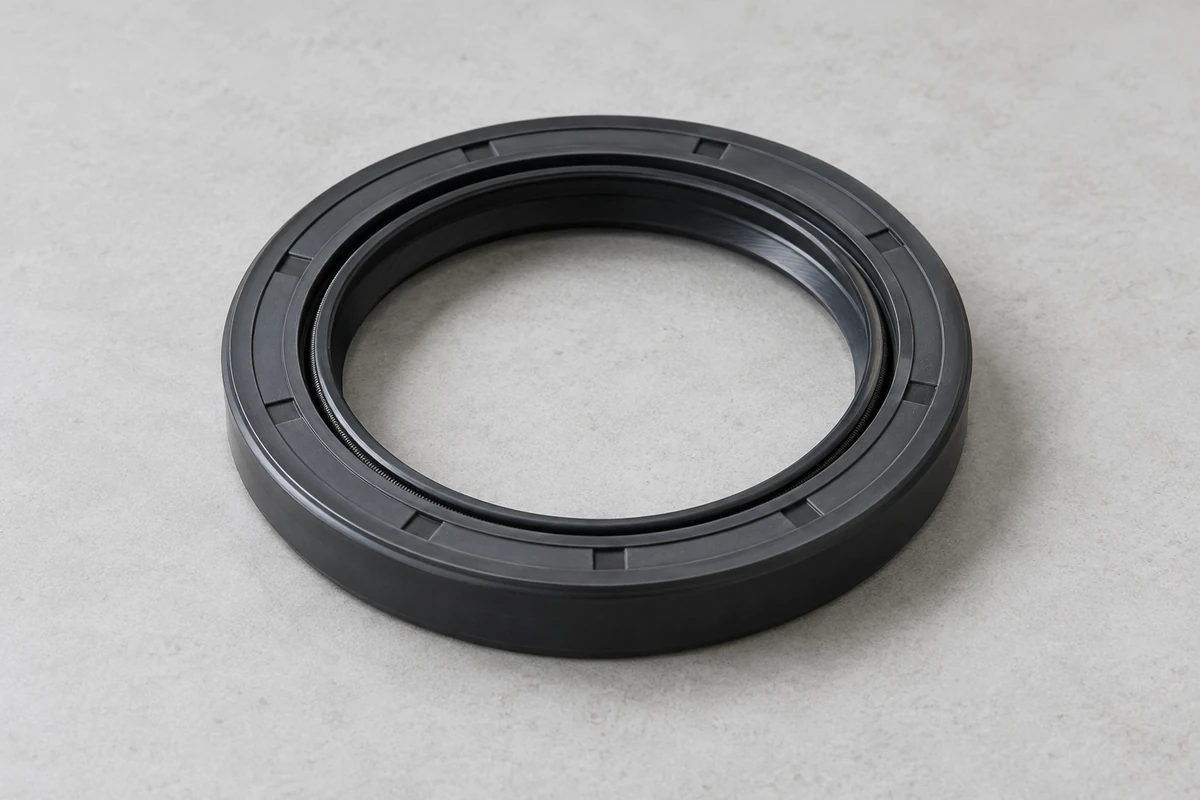
A supplied PTFE seal cover can support the sensitive lip’s geometry. Review a proposal to remove it for a shallower package as a change to the supplied protected state.
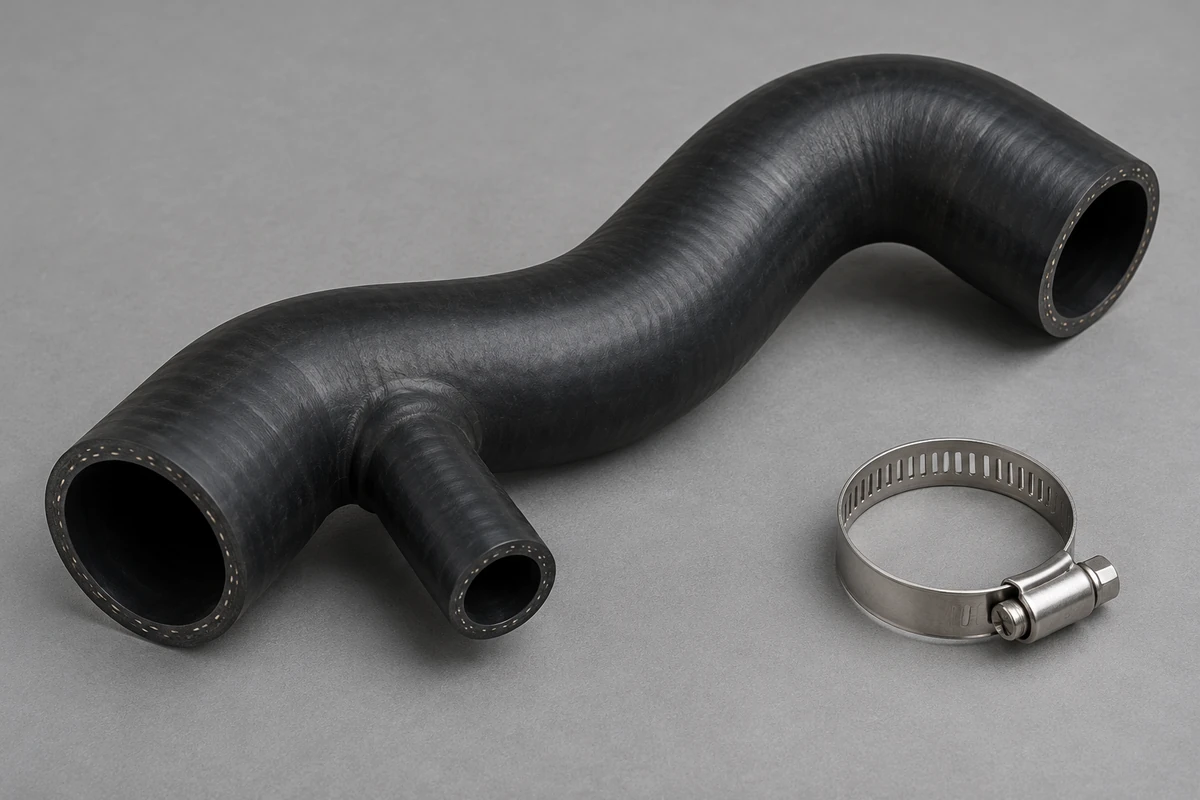
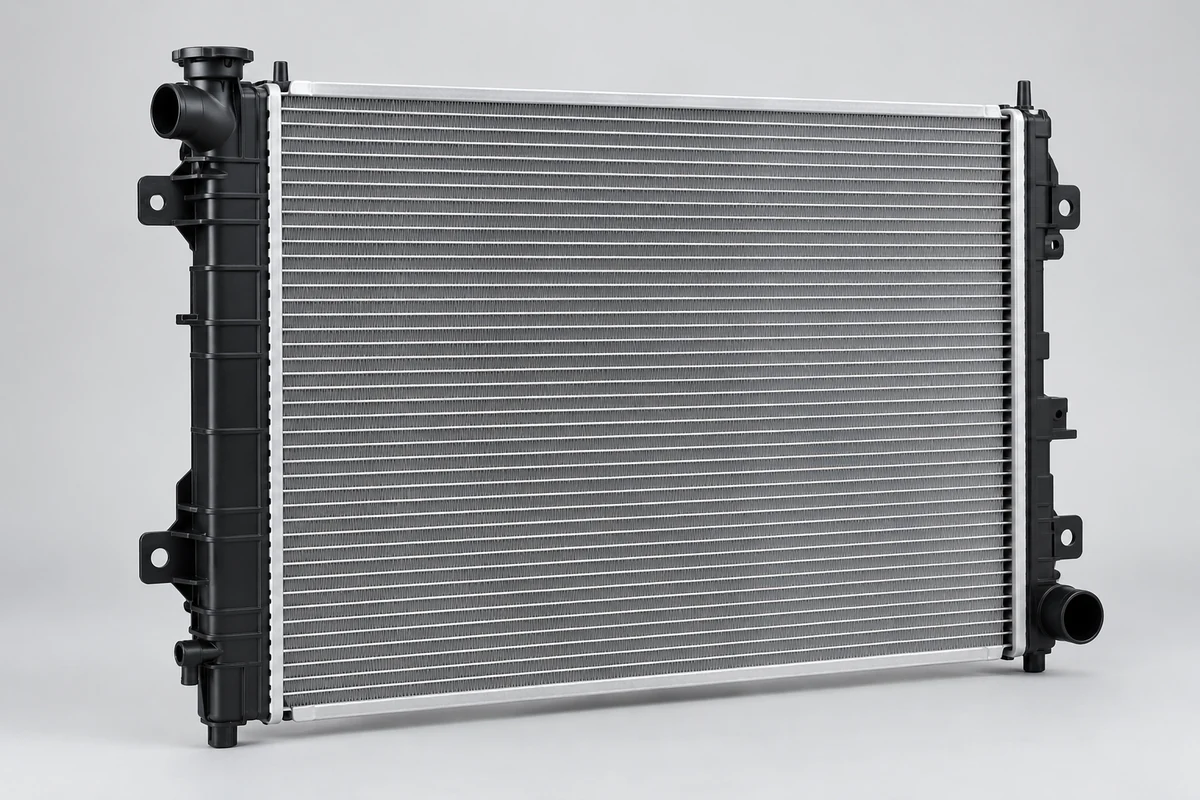
Record radiator neck and mounting-lug concerns separately from core appearance, using authorized interface evidence instead of hose or vehicle fit trials.
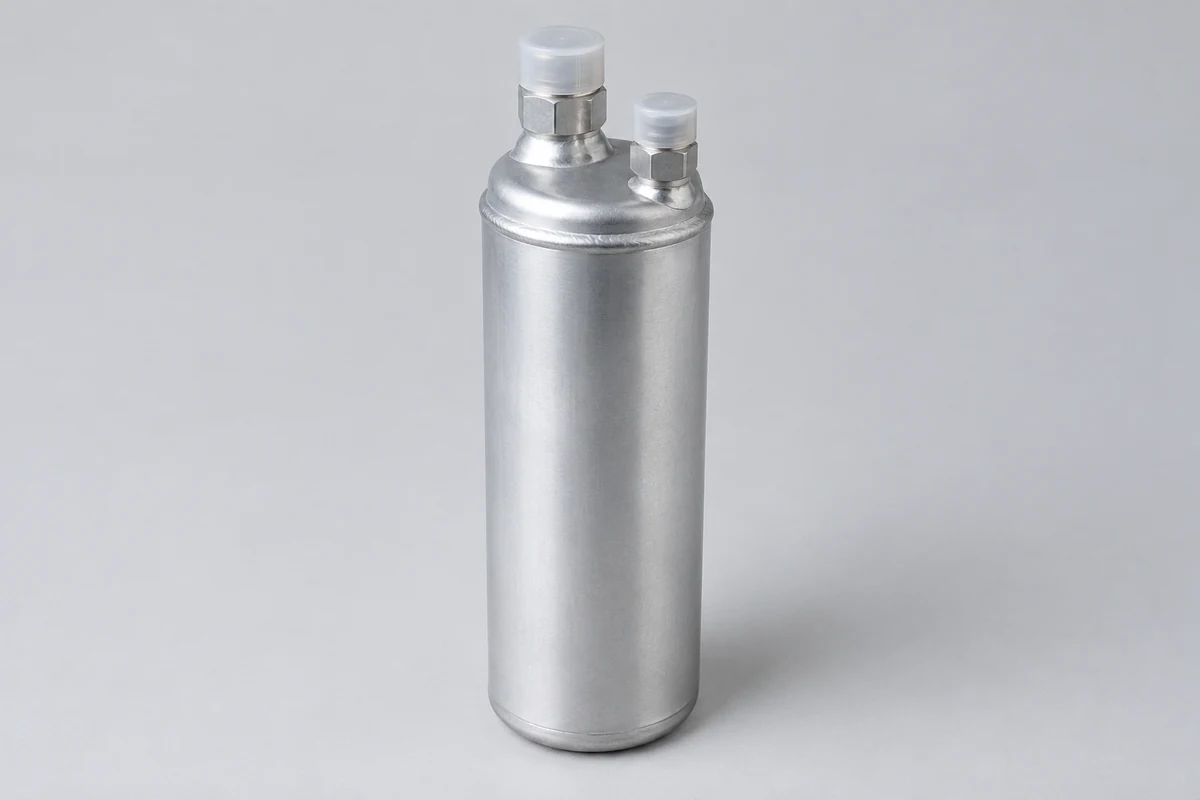
Record receiver-drier closure state and unknown exposure history before repacking, without inventing safe-open times or diagnosing desiccant condition.
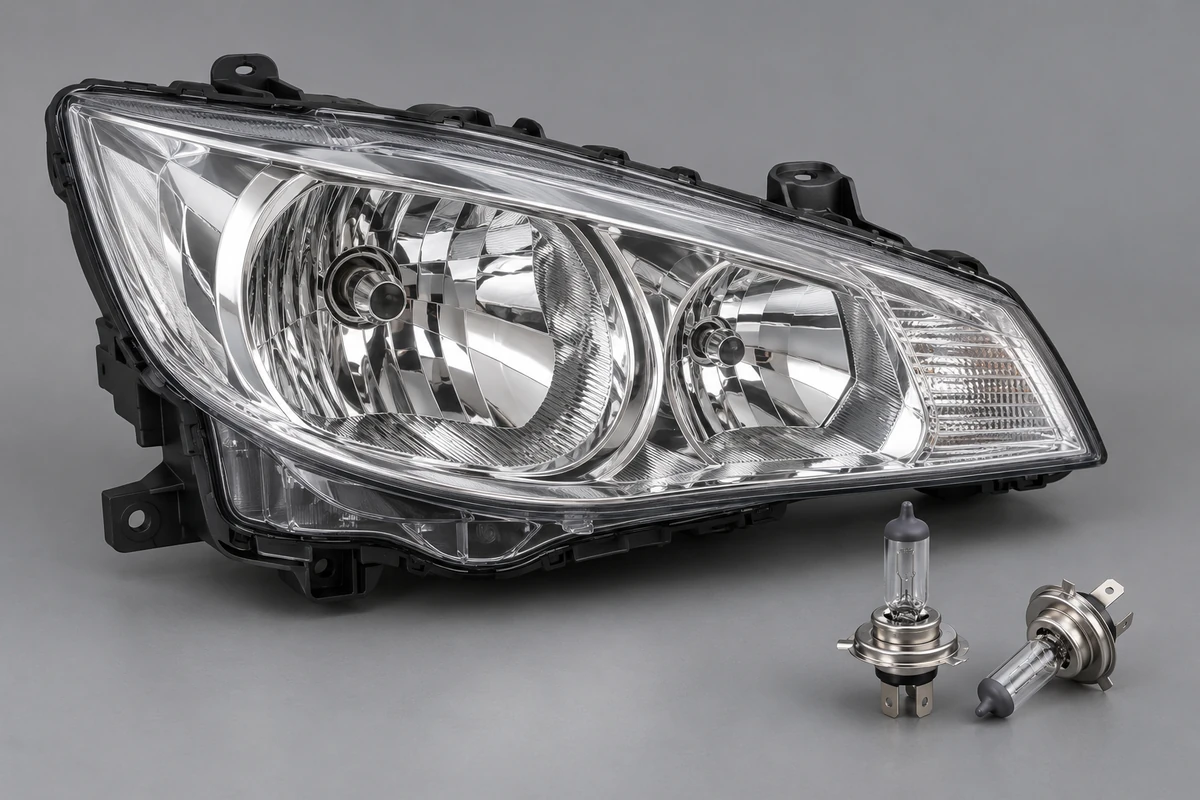
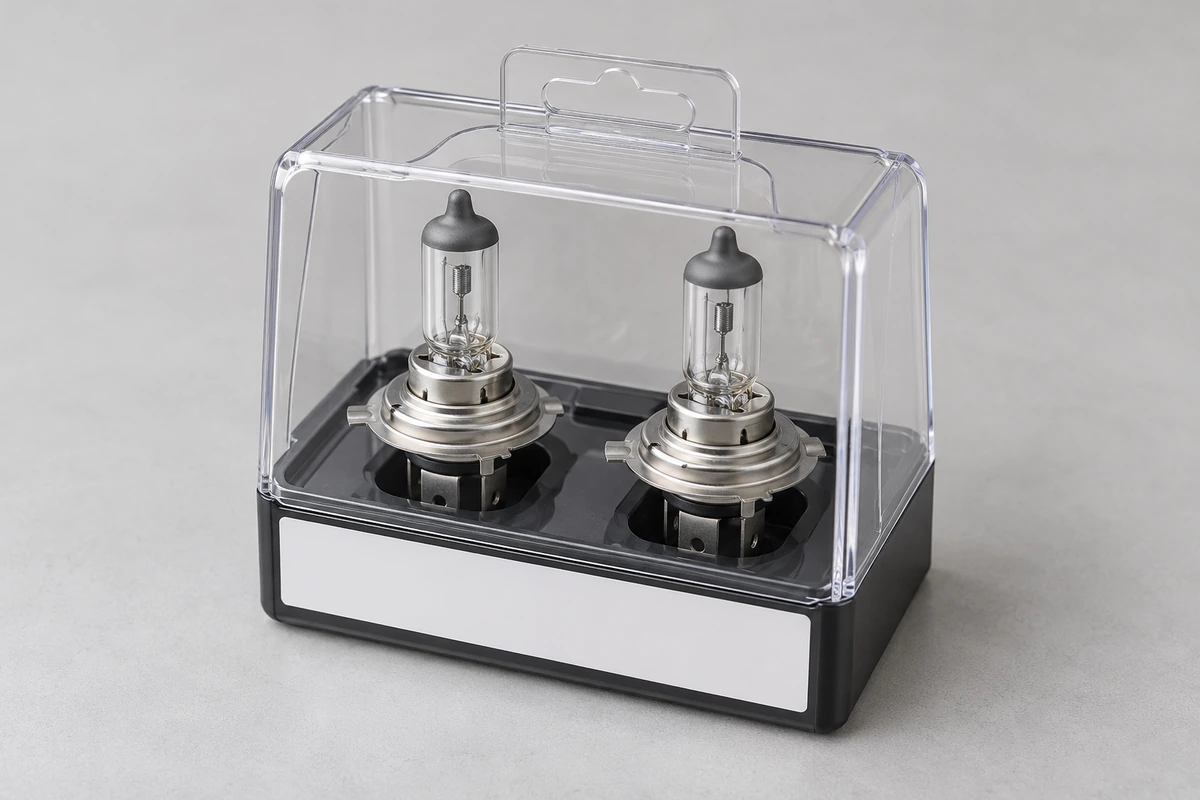
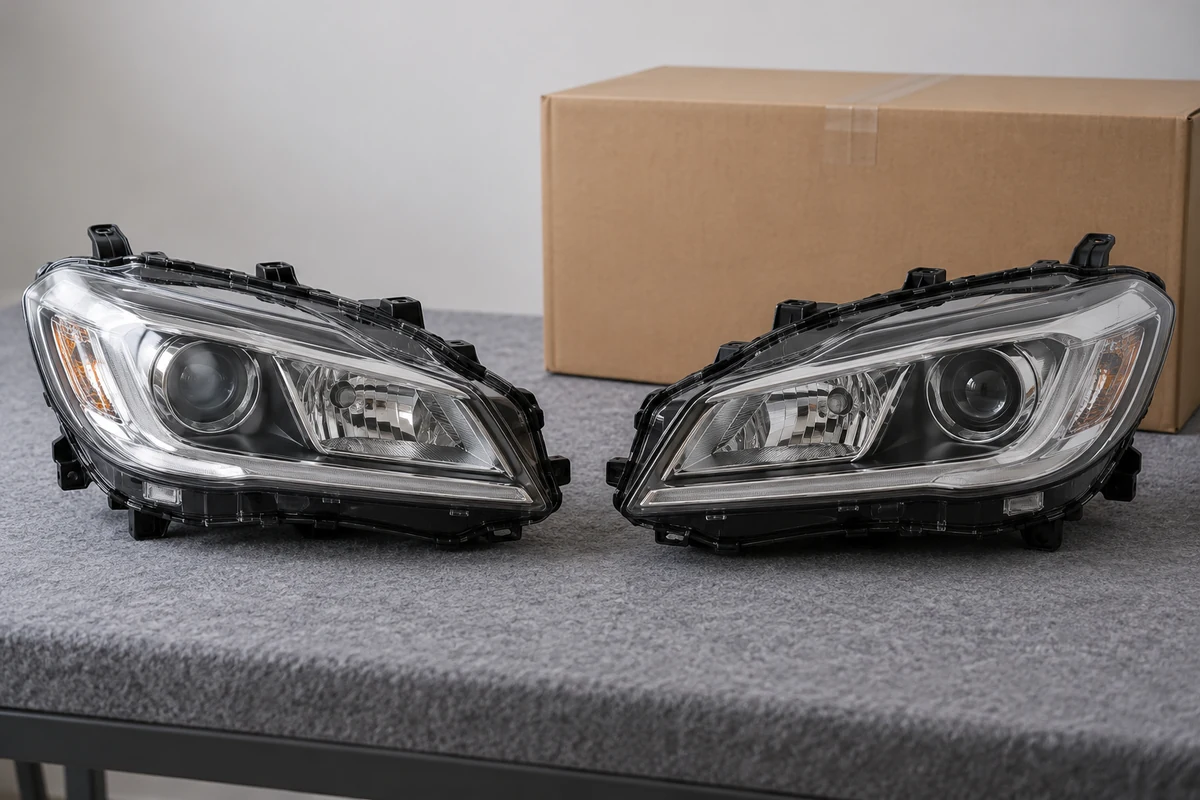
Tie rejected headlamps to the original UK entry and confirm the applicable process before return or destruction, keeping supplier credit separate from duty recovery.
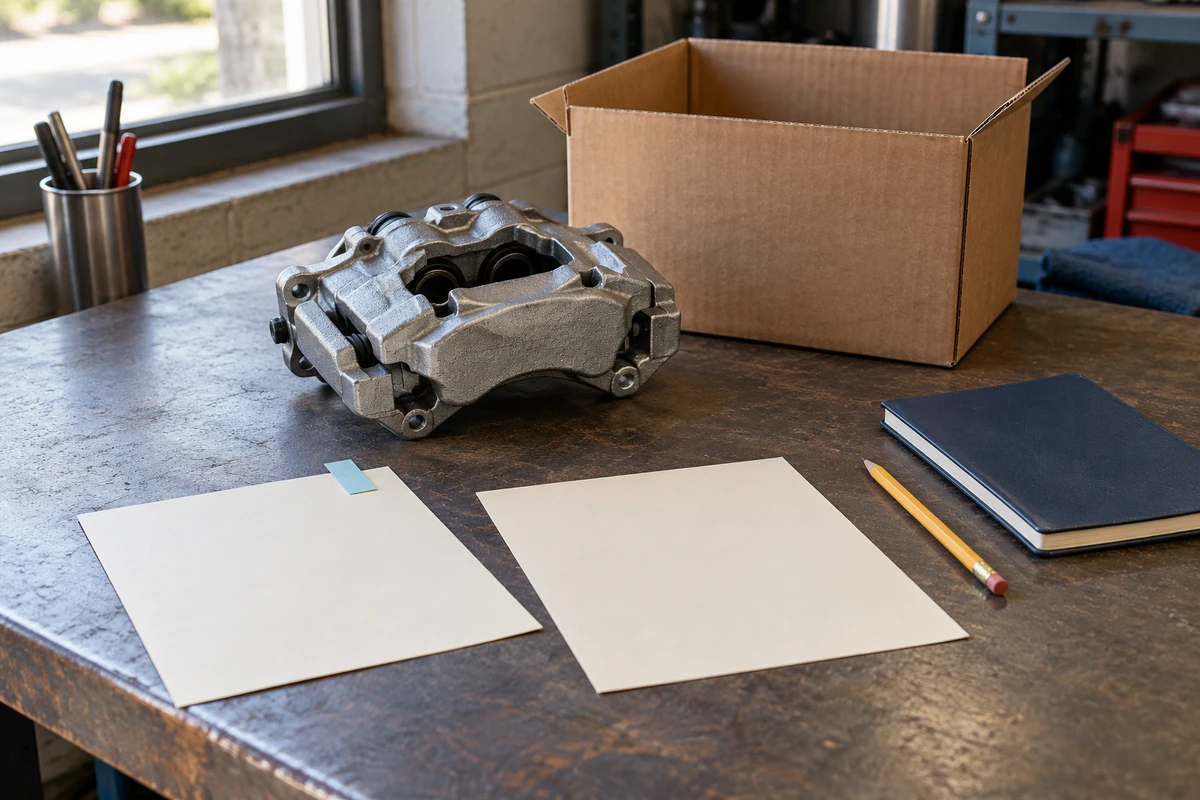
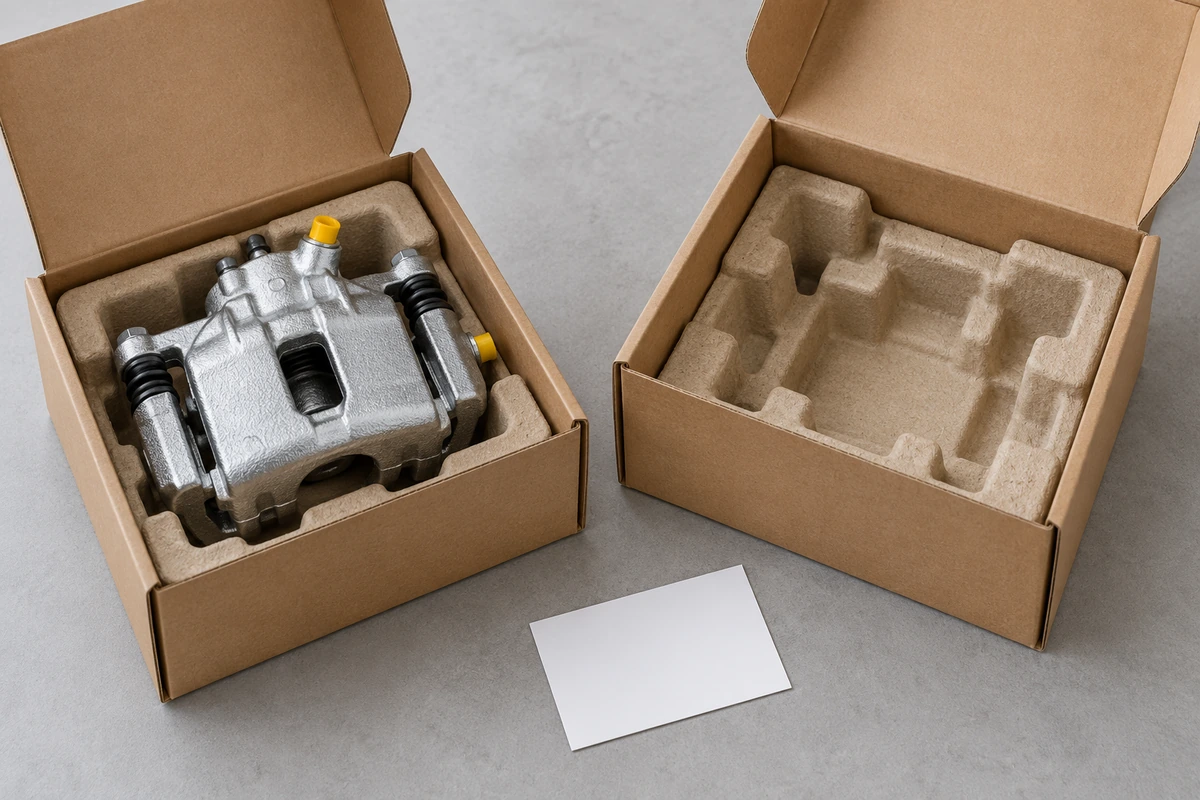
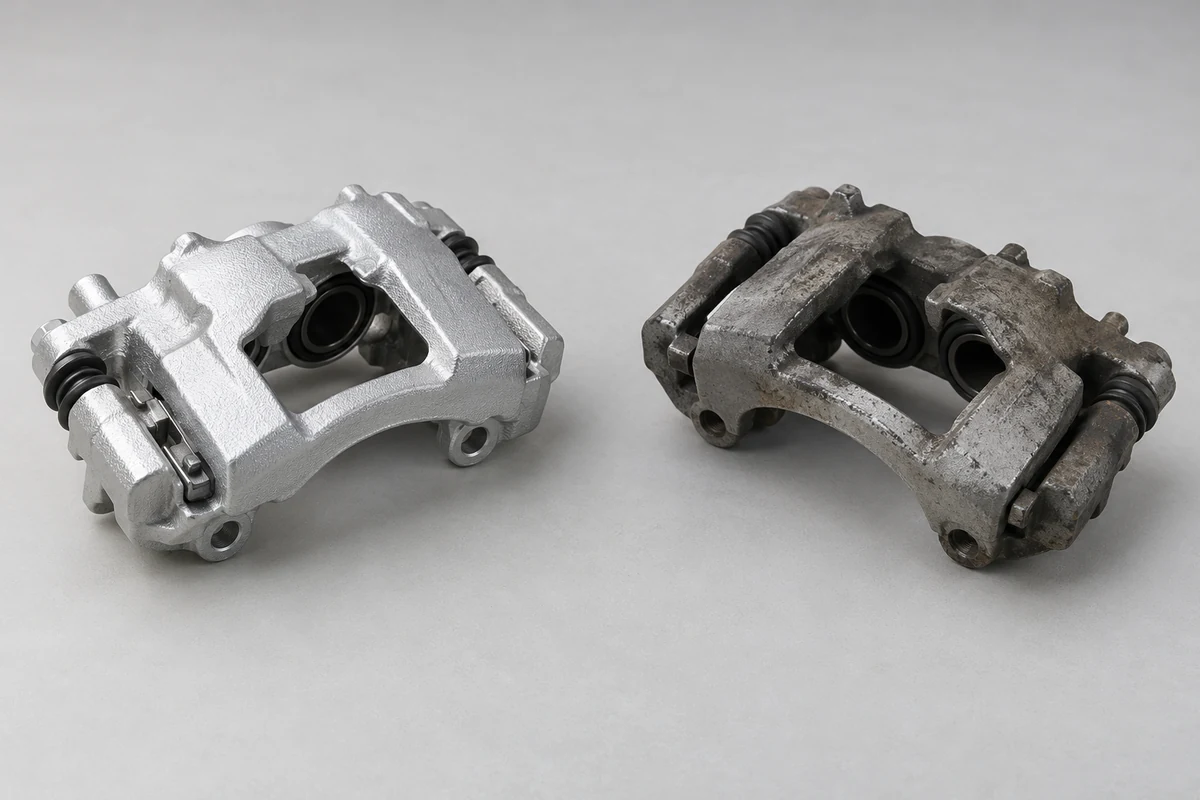
An agreed core return needs its own package provider, declaration link and accepted route. The replacement caliper’s carton does not settle those responsibilities.
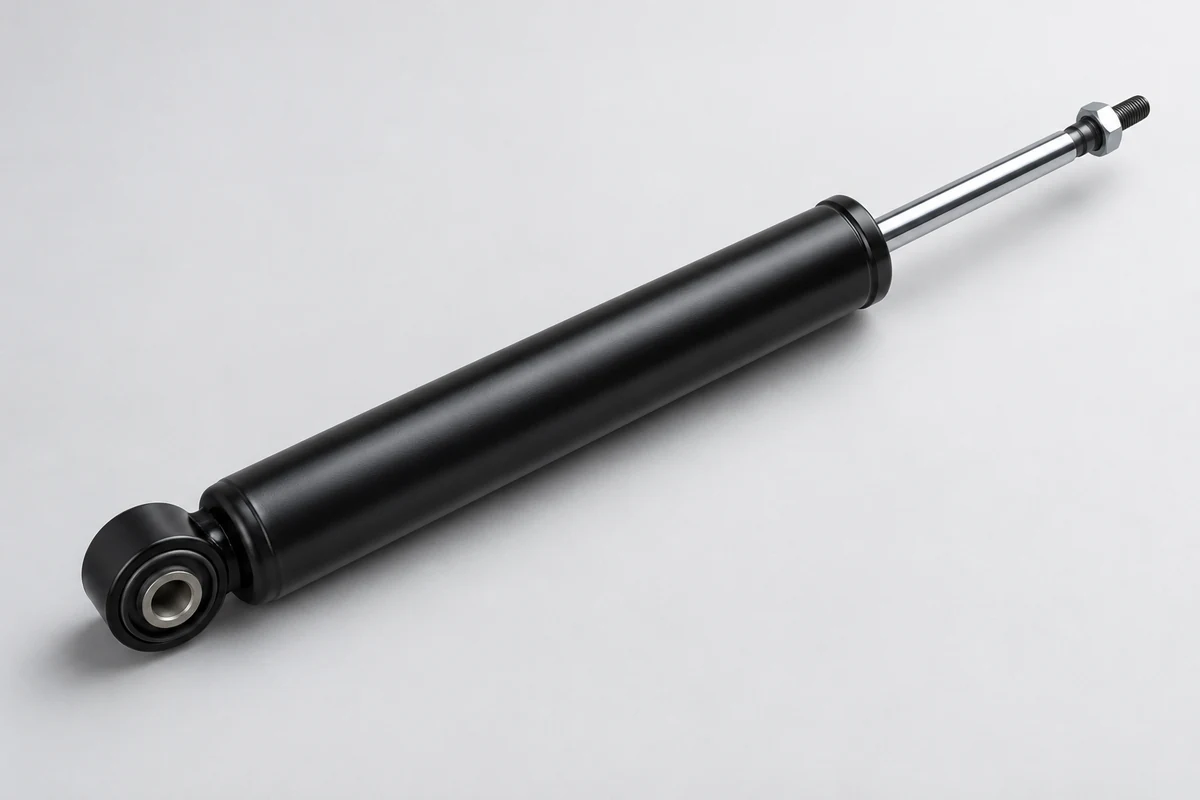
Record oil location, wet packaging and handling history on newly delivered shocks without importing in-service weepage rules or wiping the evidence away.
A twin pack defines a shock quantity, while a separate protection kit may use another unit. Resolve both before allocating the purchased bundle to a destination.
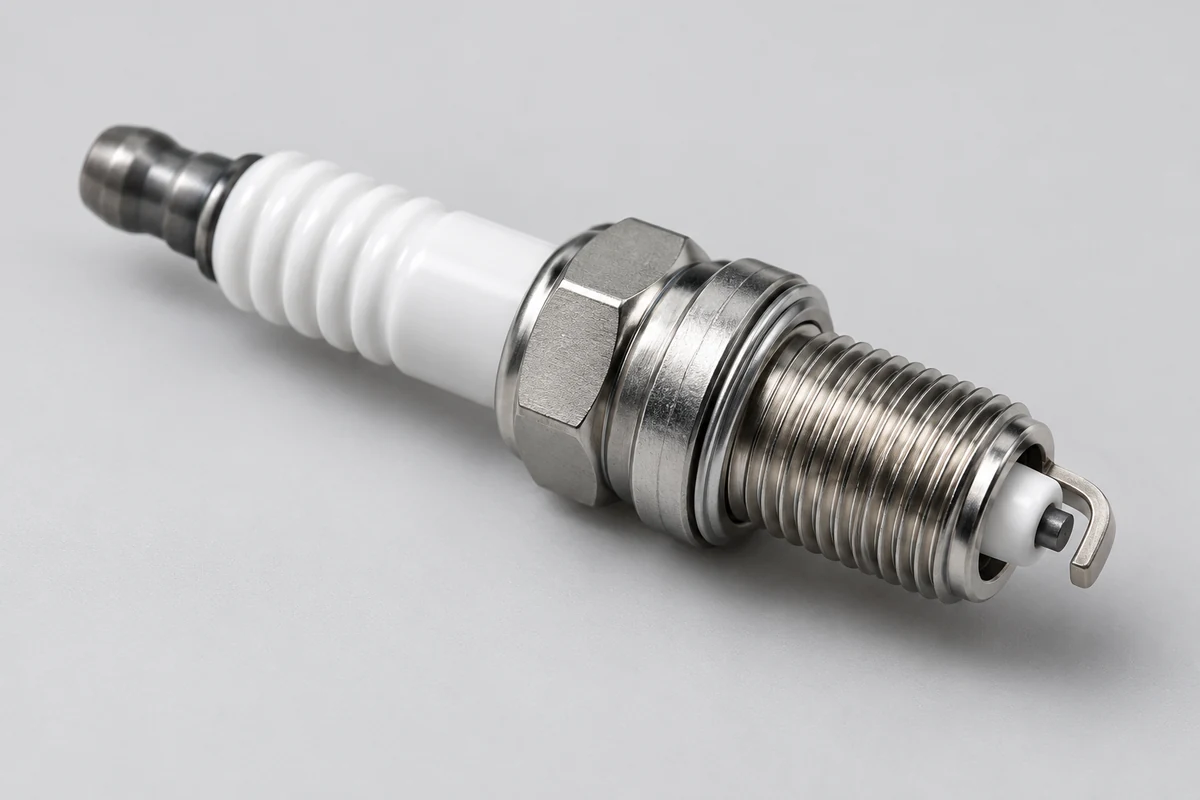
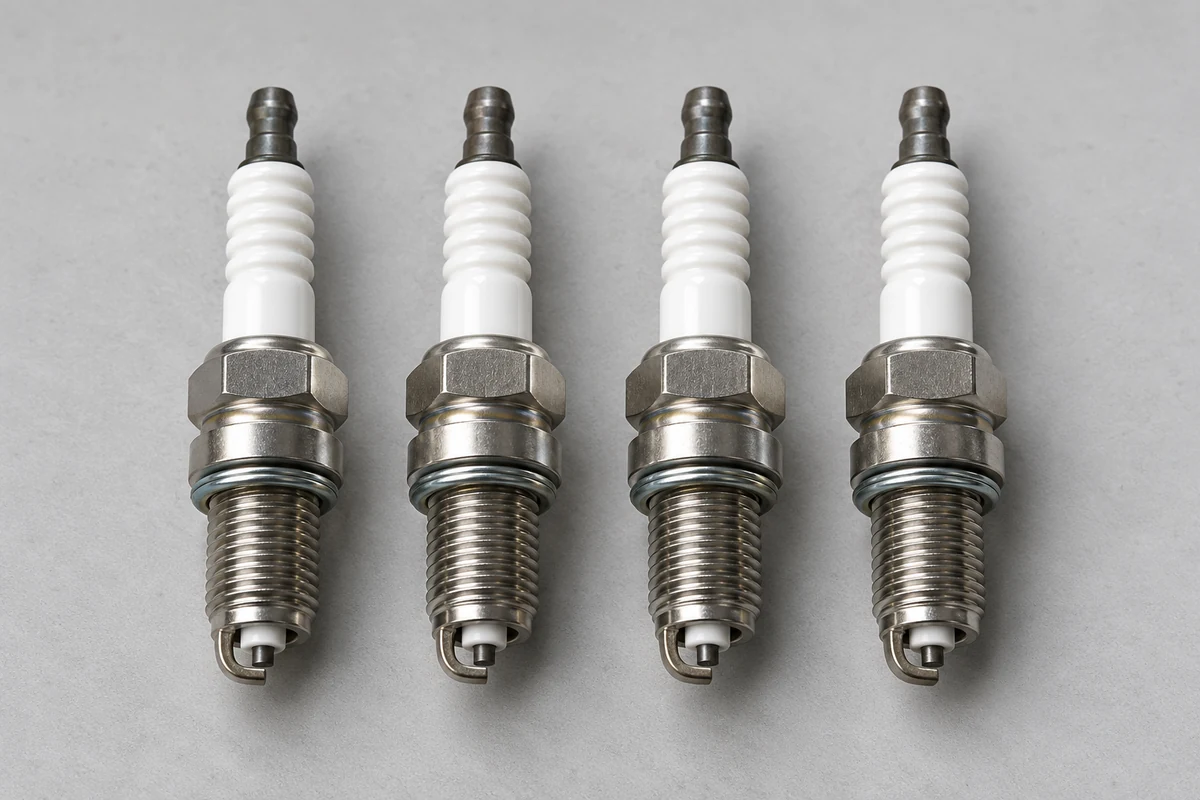
Record ceramic chips and electrode deformation by individual spark plug before adjustment, keeping packaging evidence and technical disposition separate.
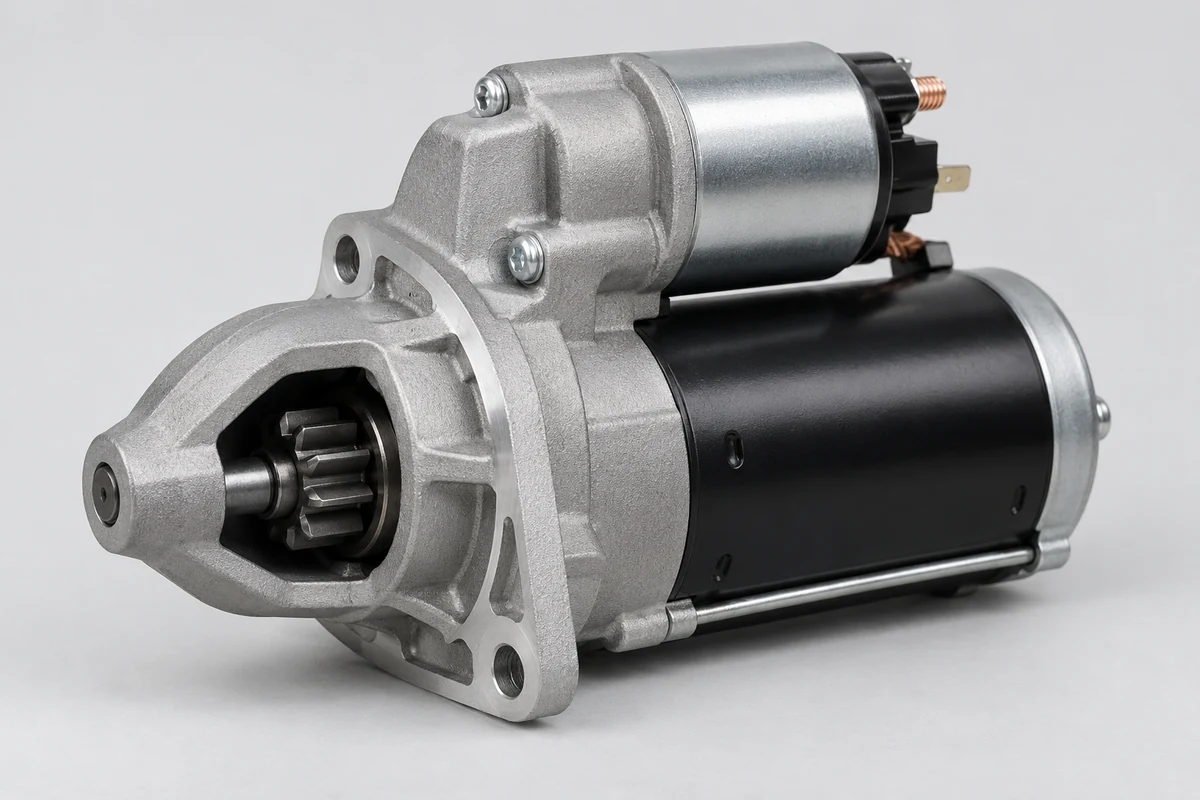
Compare starter housing clocking, connector and drain locations from a shared viewpoint, resolving revision conflicts without re-clocking or energizing the unit.
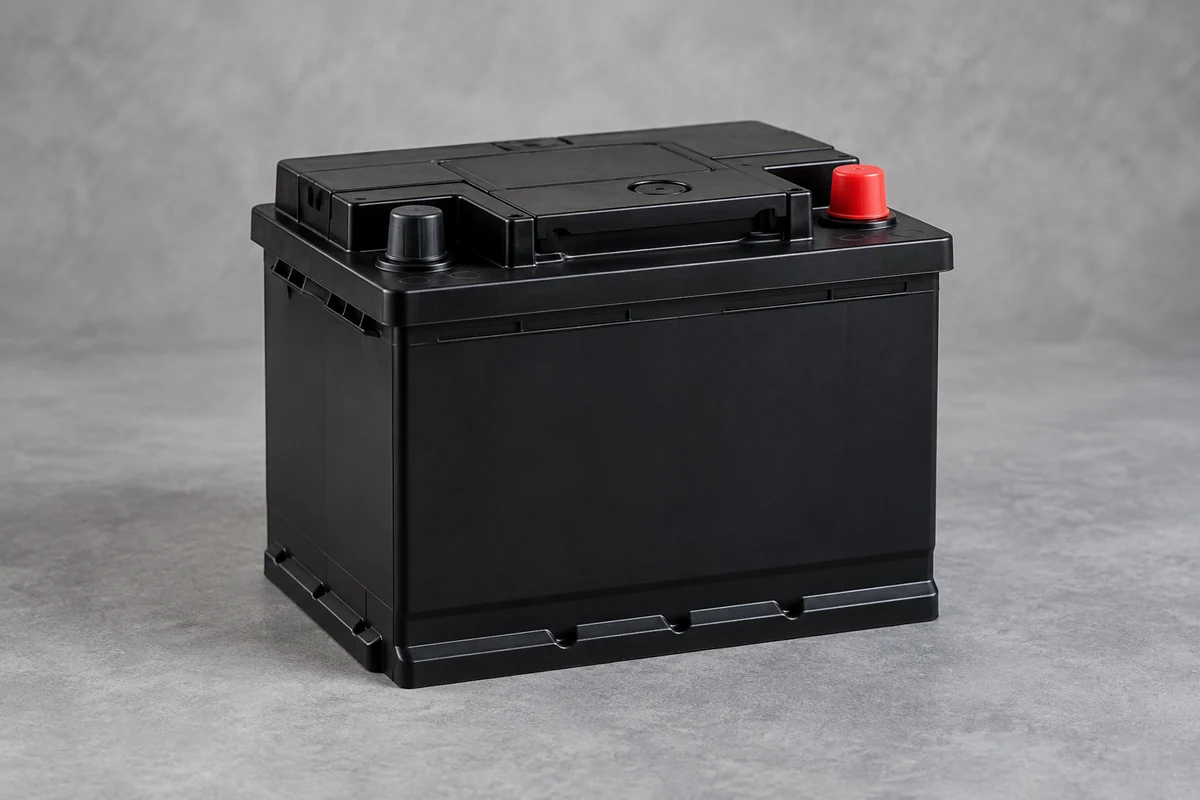
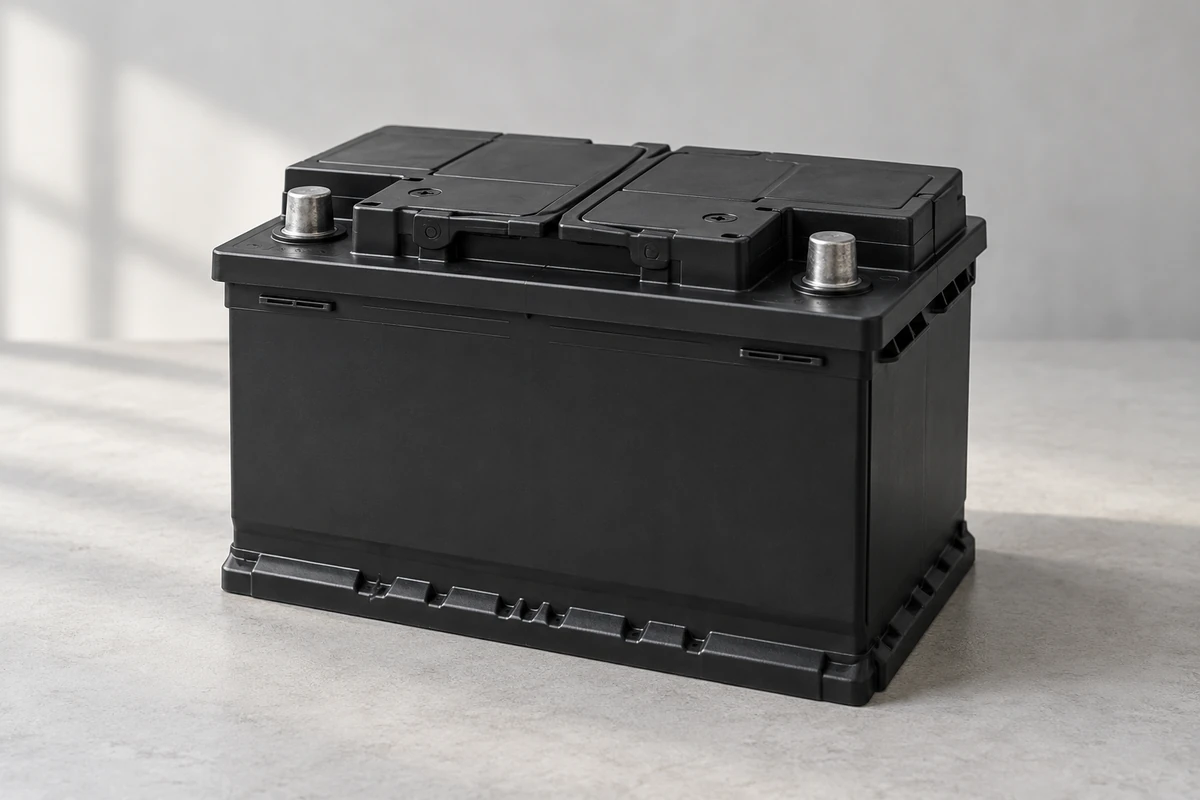
Tie any required battery registration to the actual replacement event, energy-management requirement and named provider, rather than the battery invoice.
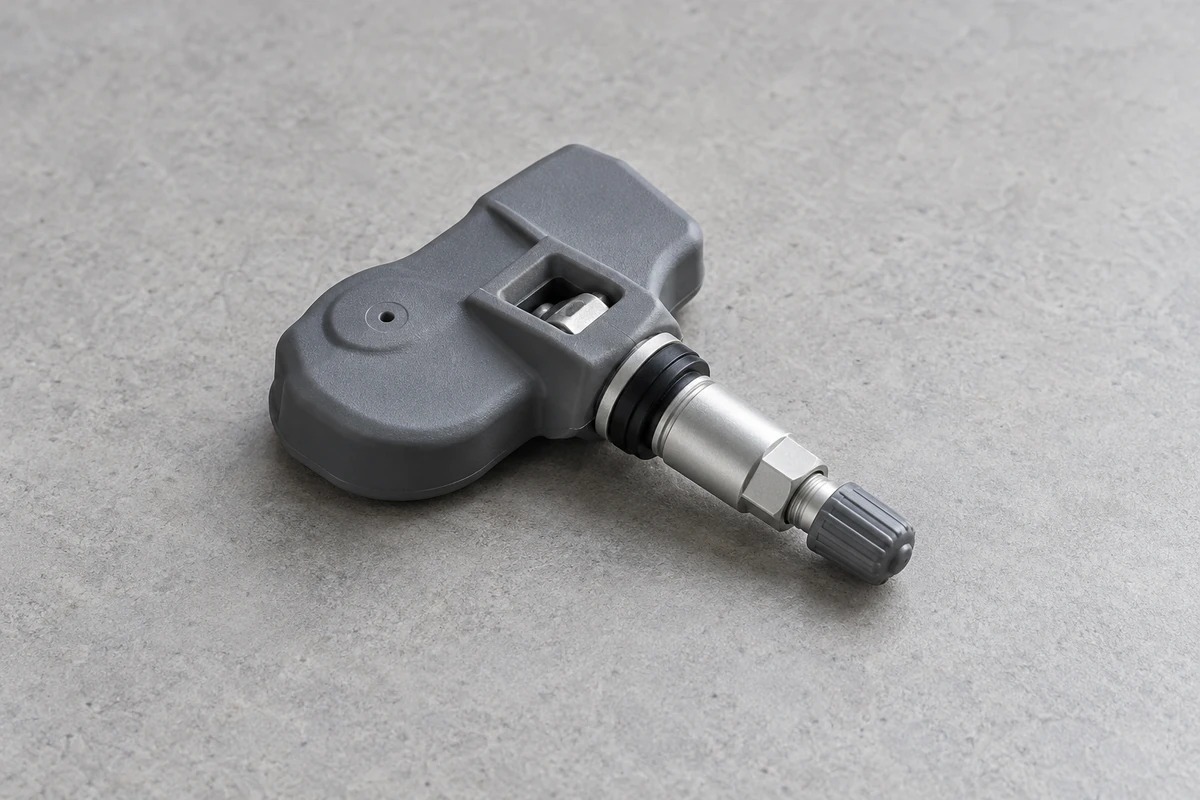
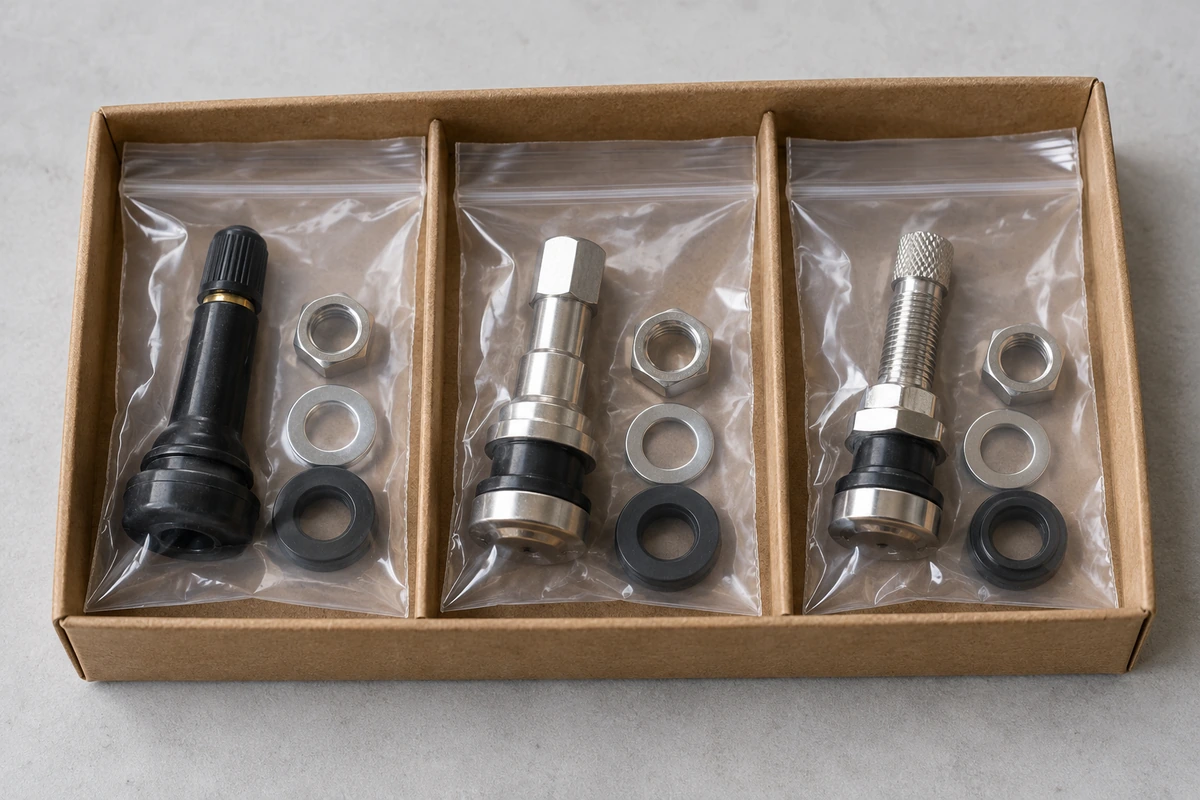
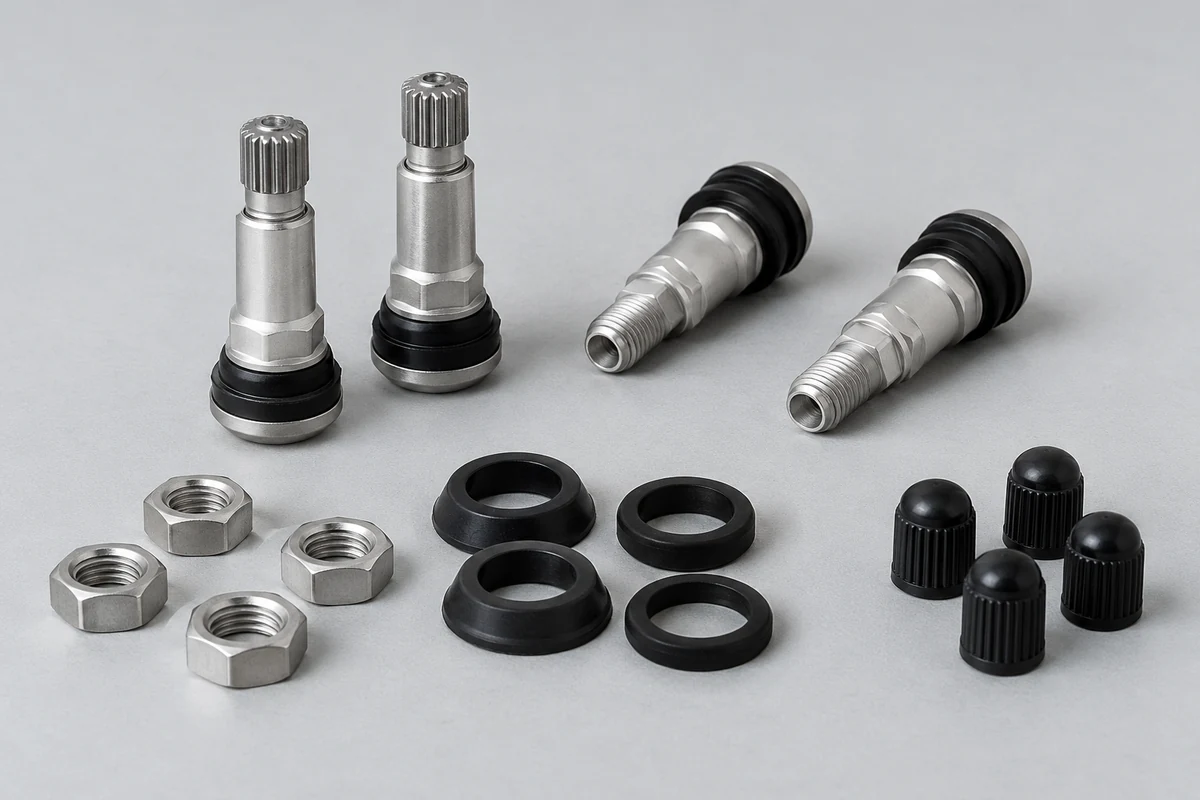
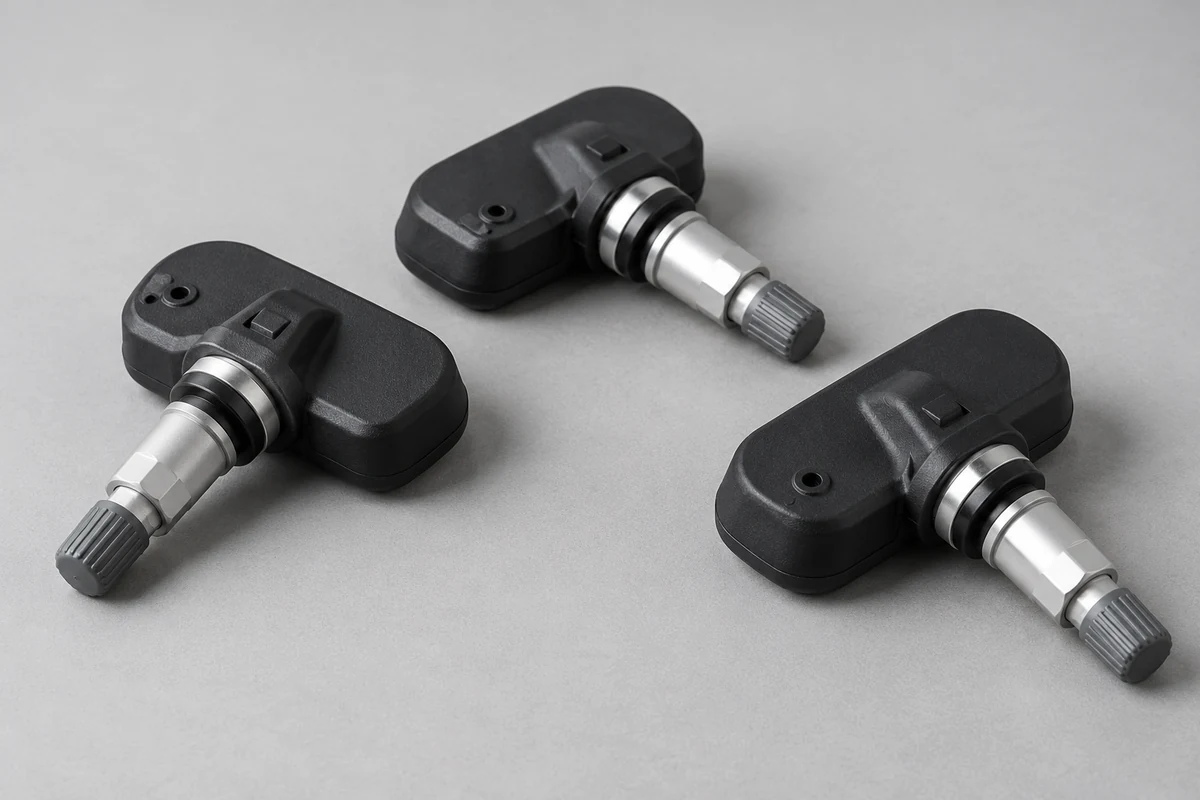
Preserve reference-specific stem and seat inclusions in a TPMS service-pack assortment, so a uniform presentation does not create false shortages or remove required hardware.
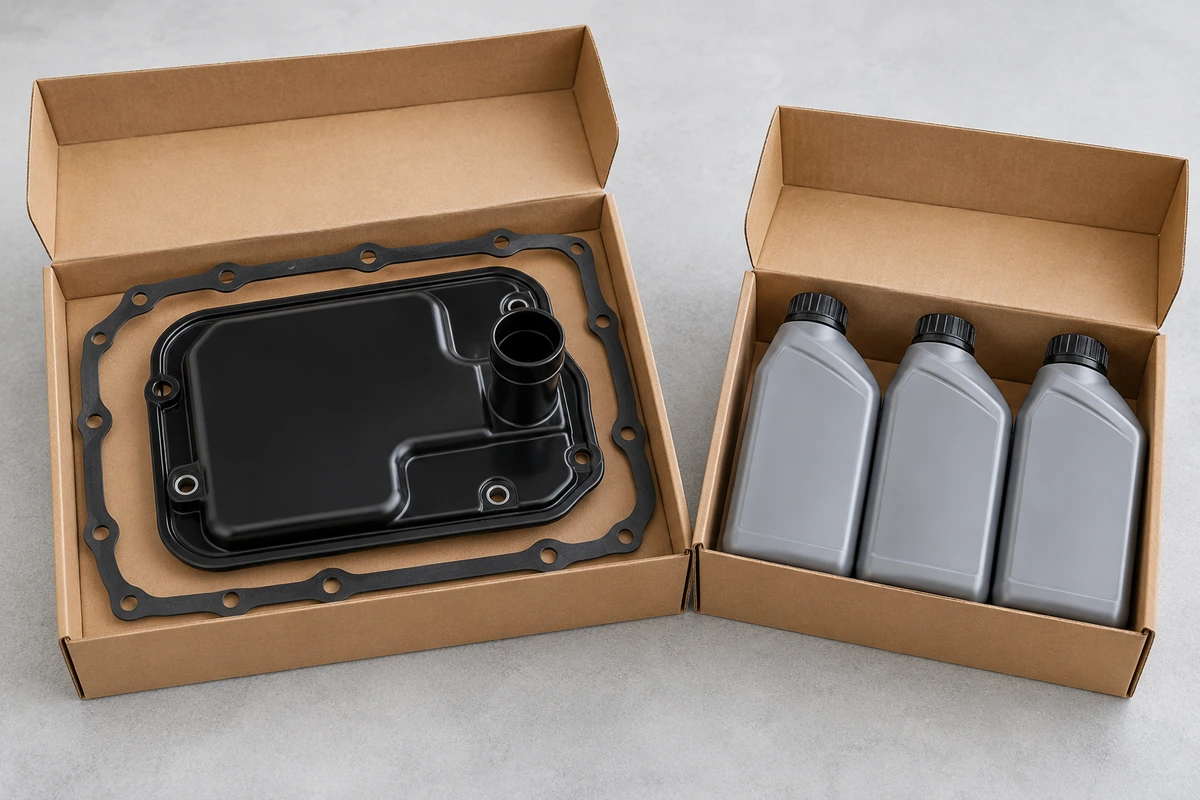
Keep transmission kit oil cartons tied to the selected with-oil order line, while distinguishing hardware variants, delivered quantities and service fill requirements.
State the true purpose and later use of trim colour samples before relying on UK commercial-sample relief or altering the evidence needed for comparison.
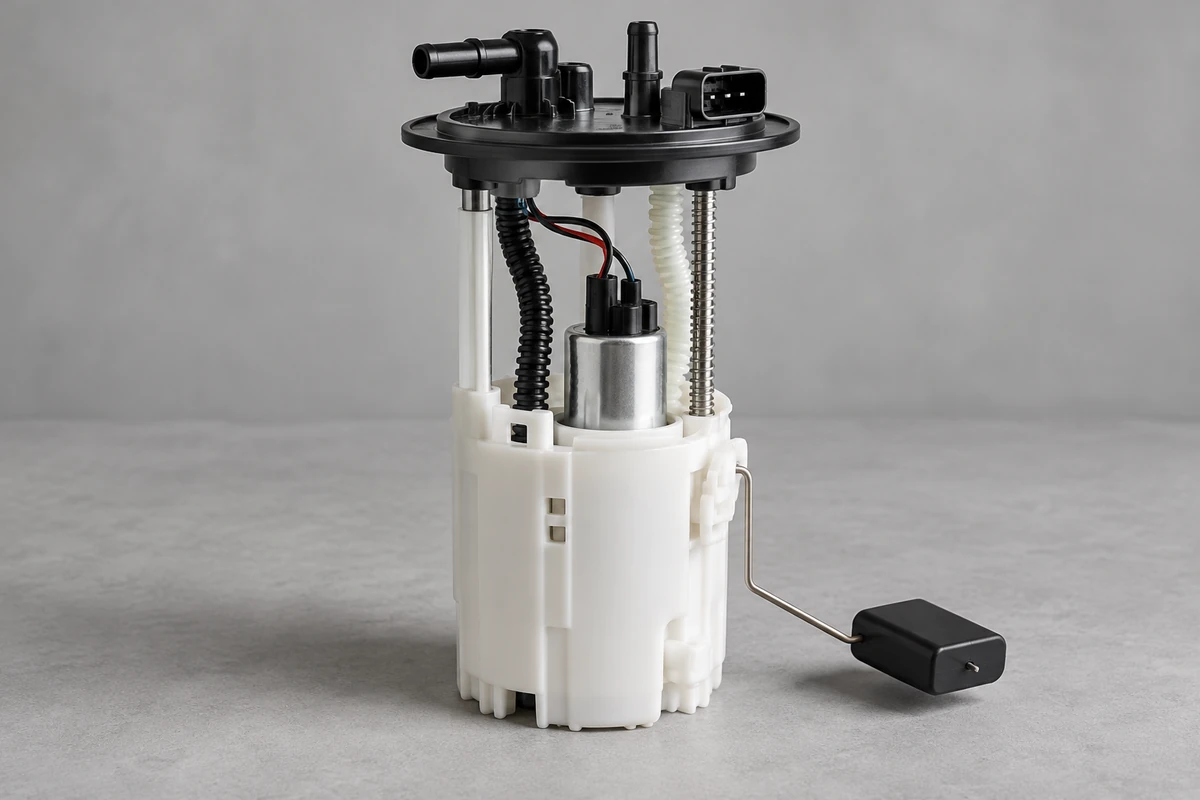
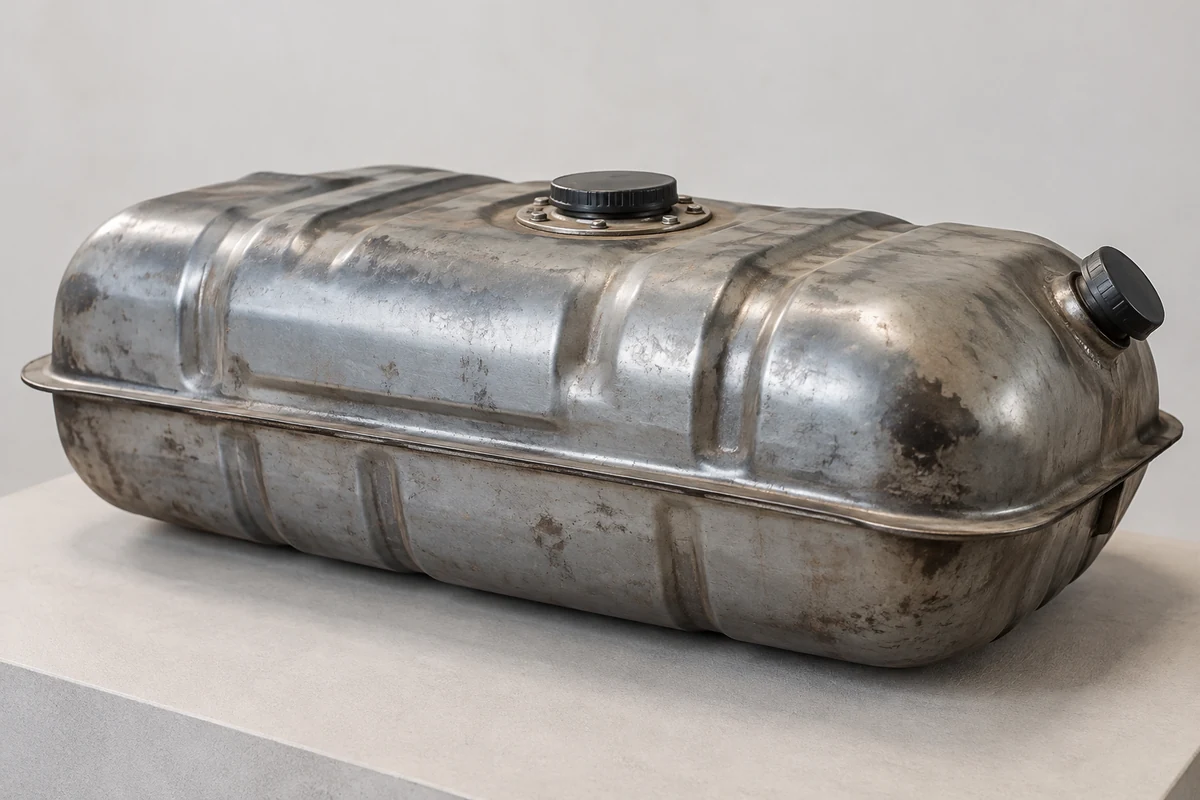
A used fuel tank’s freight assessment must include prior contents and attributable condition evidence; a dry-looking shell is not an unused-cargo record.
For used suspension parts entering Australia, resolve condition evidence and current parts-specific biosecurity assessment before accepting uncertain arrival costs.
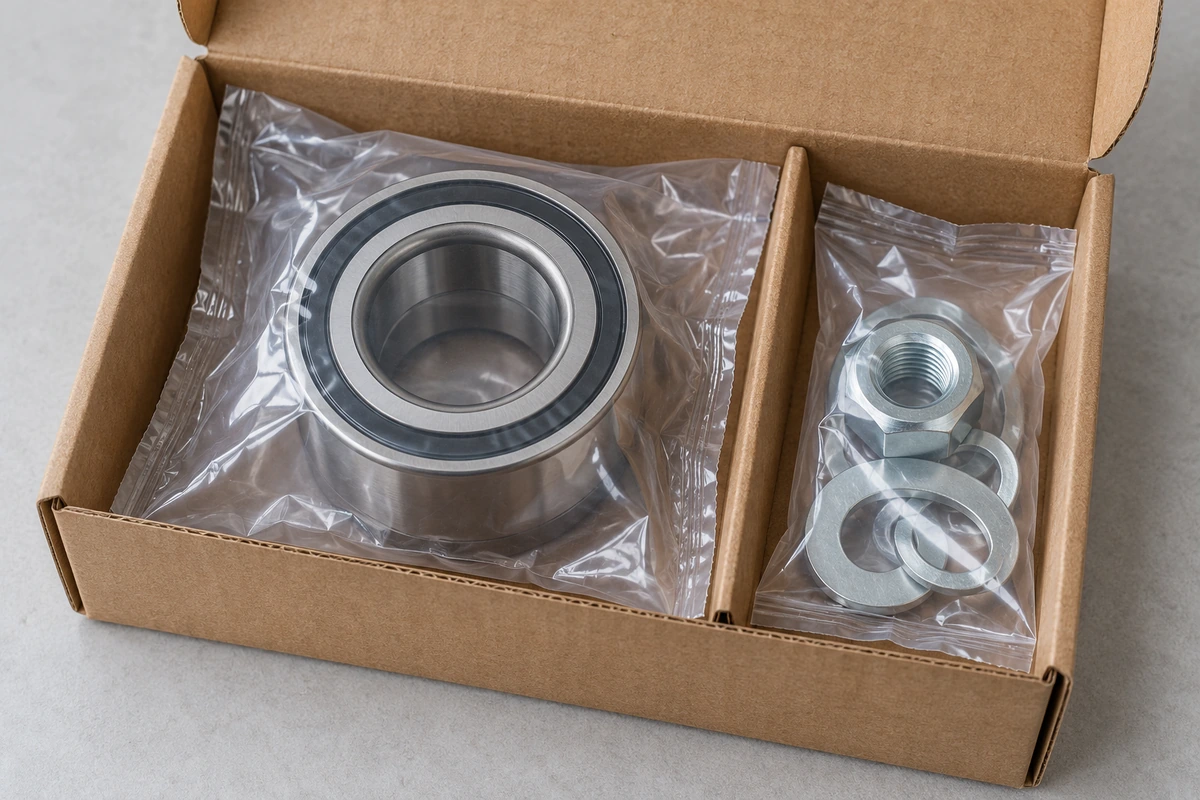
Check how wheel-bearing kit accessories interact with an encoder-bearing subpack before approving display changes, contact or magnetic accessory placement.
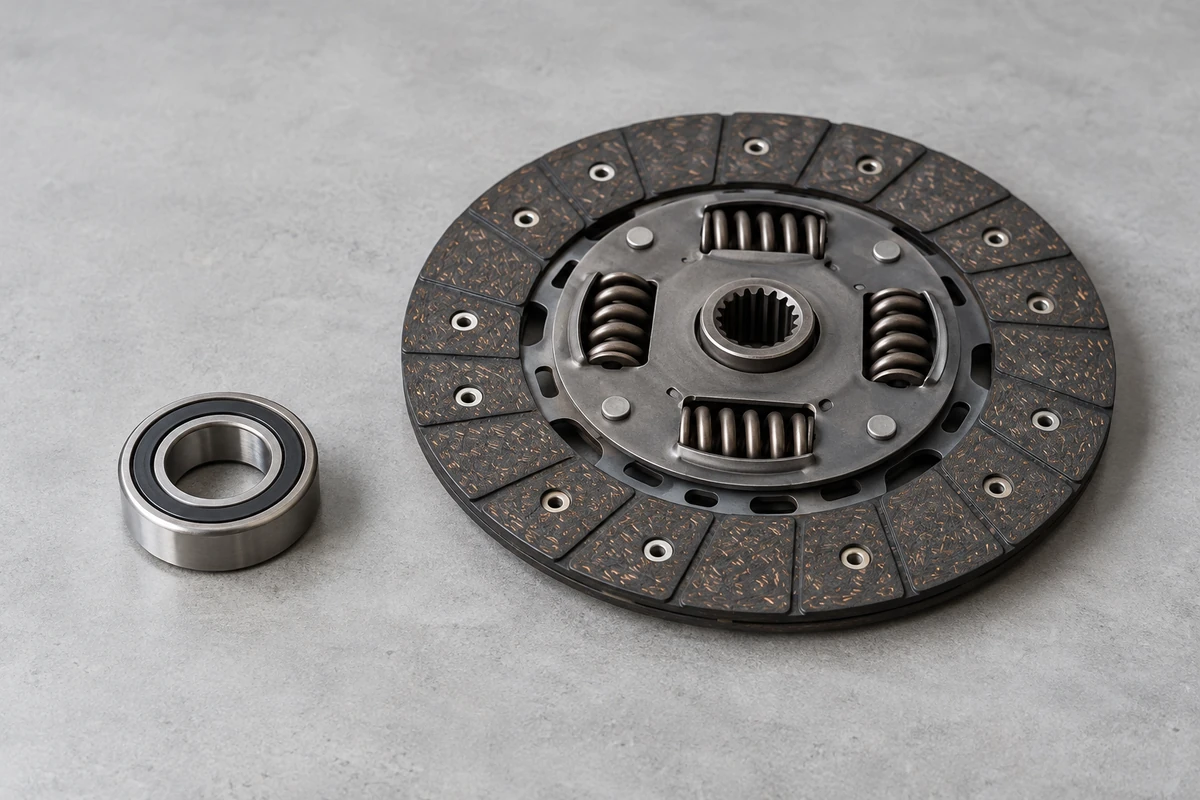
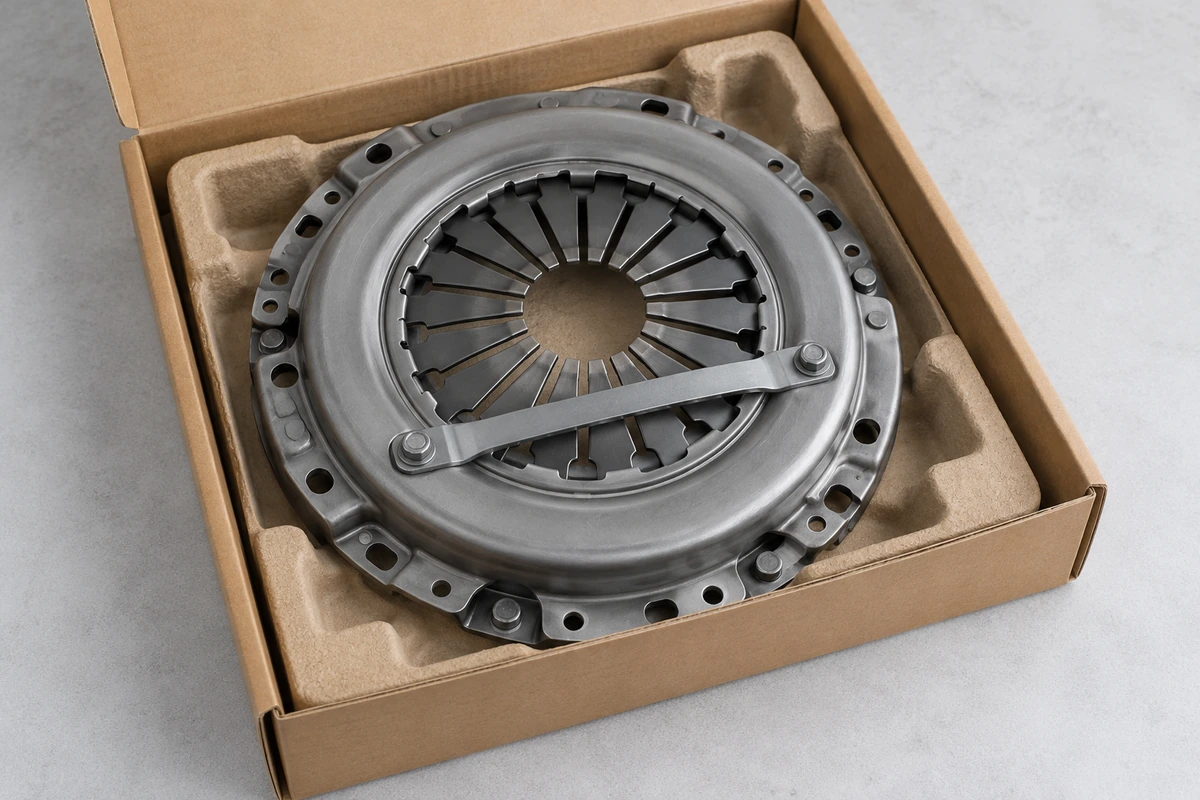
Review a clutch packing proposal against the exact variant before cosmetic repacking removes an applicable locking piece or obscures an unresolved supplied state.
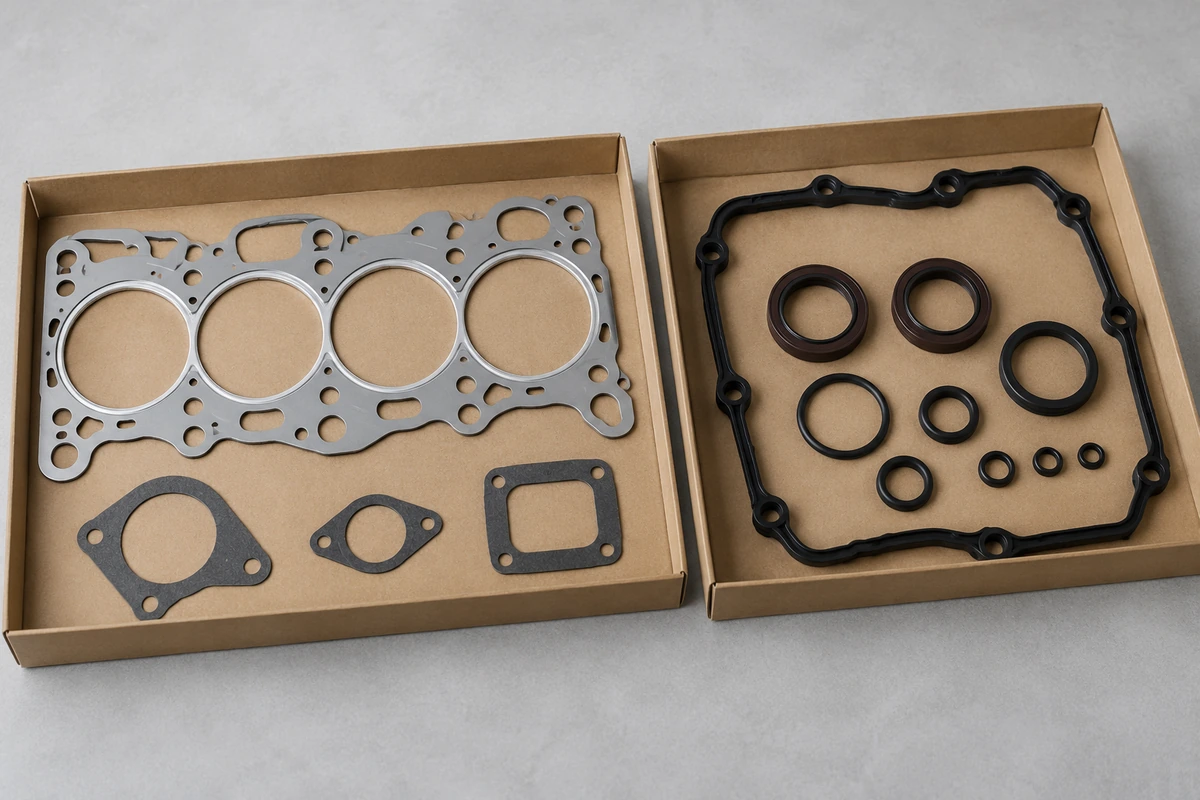
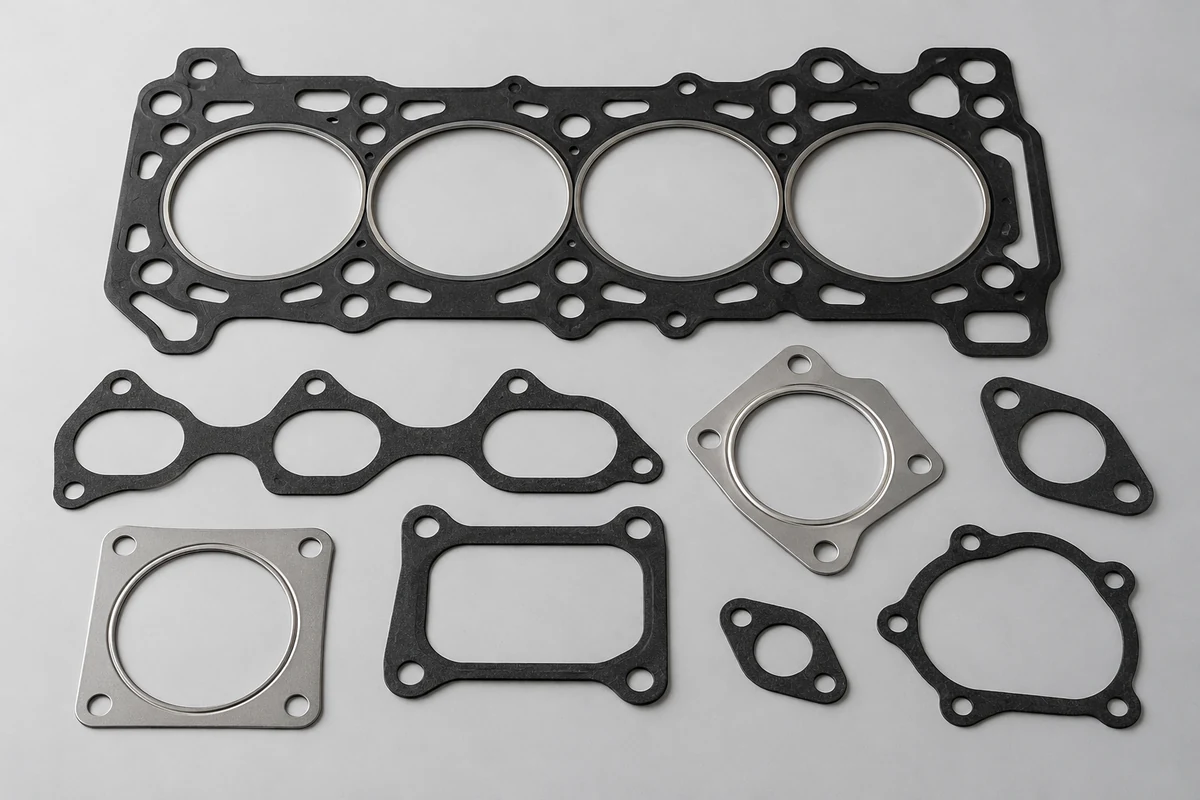
Keep head and conversion gasket set references traceable when combining an approved order, so exclusions, overlap and possible packing losses remain distinguishable.
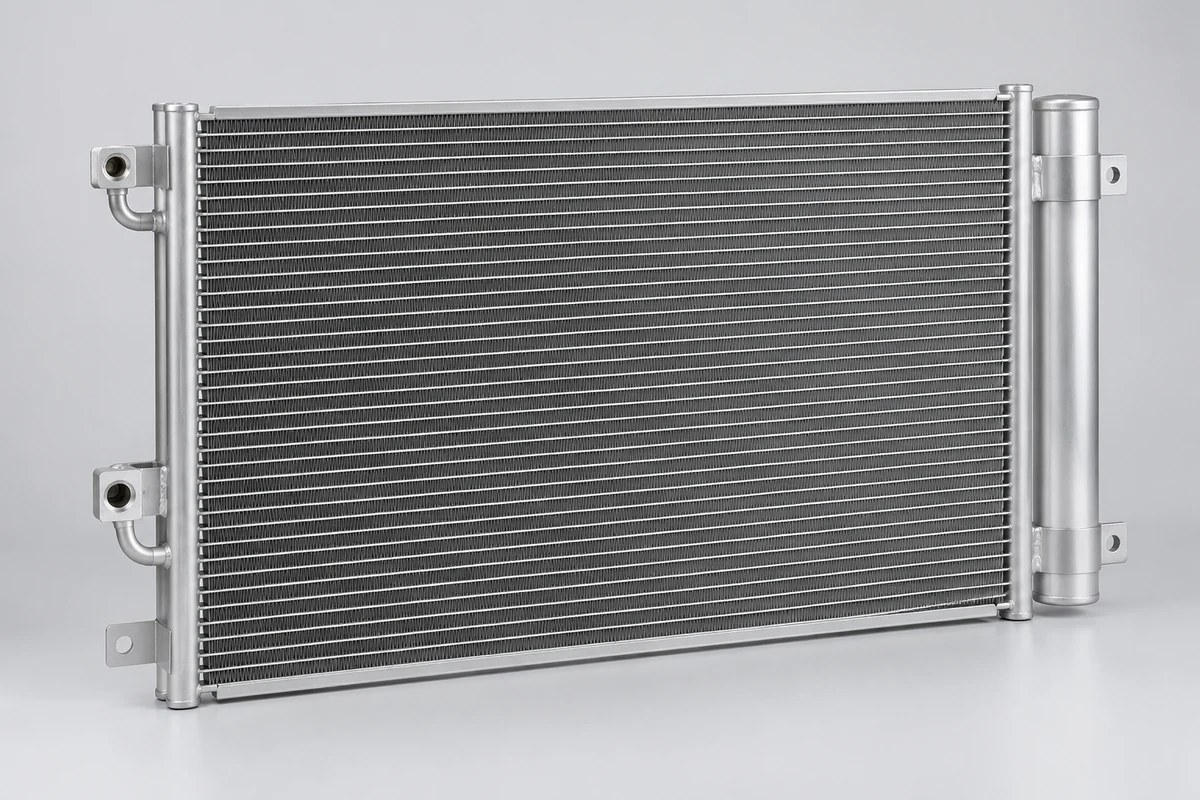
Map condenser fin, tube, tank and applicable integrated-component concerns separately so a bent-fin explanation does not erase an unresolved integrity question.
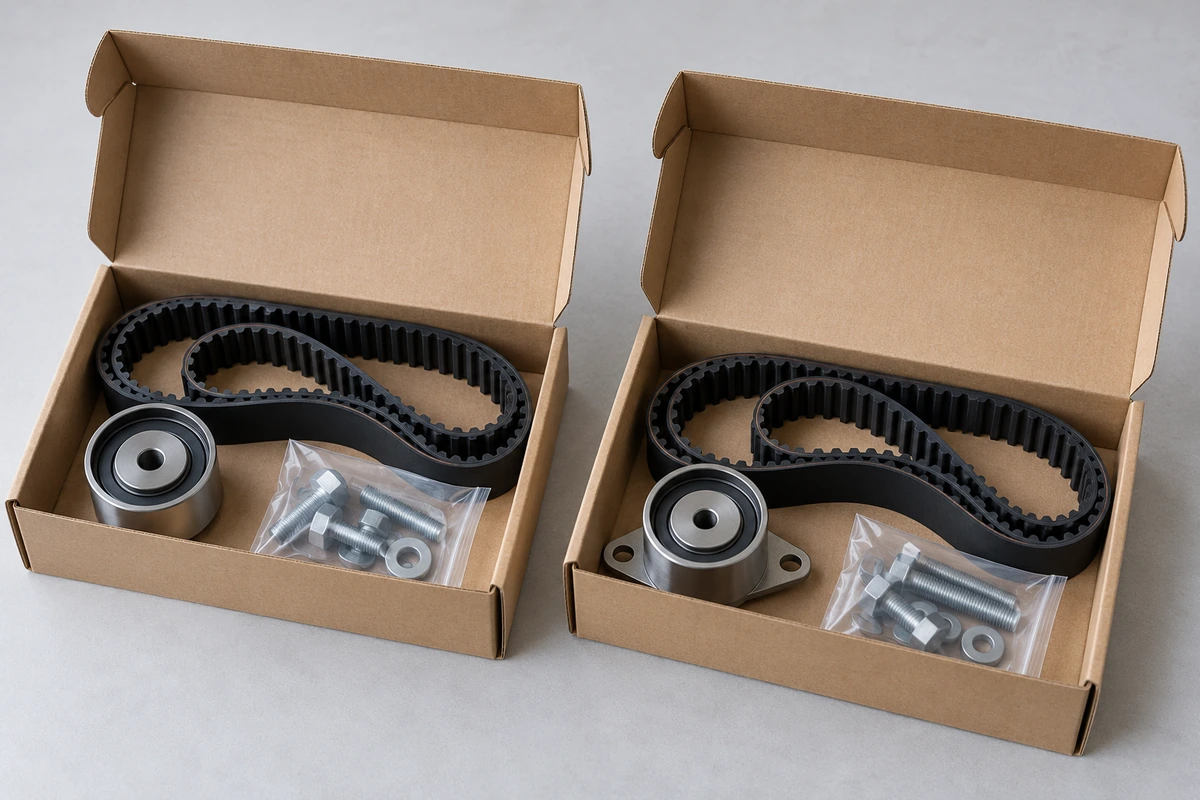
Keep approved timing-kit additions tied to the exact kit reference when range-level descriptions, omitted packets or a repacking revision create uncertainty.
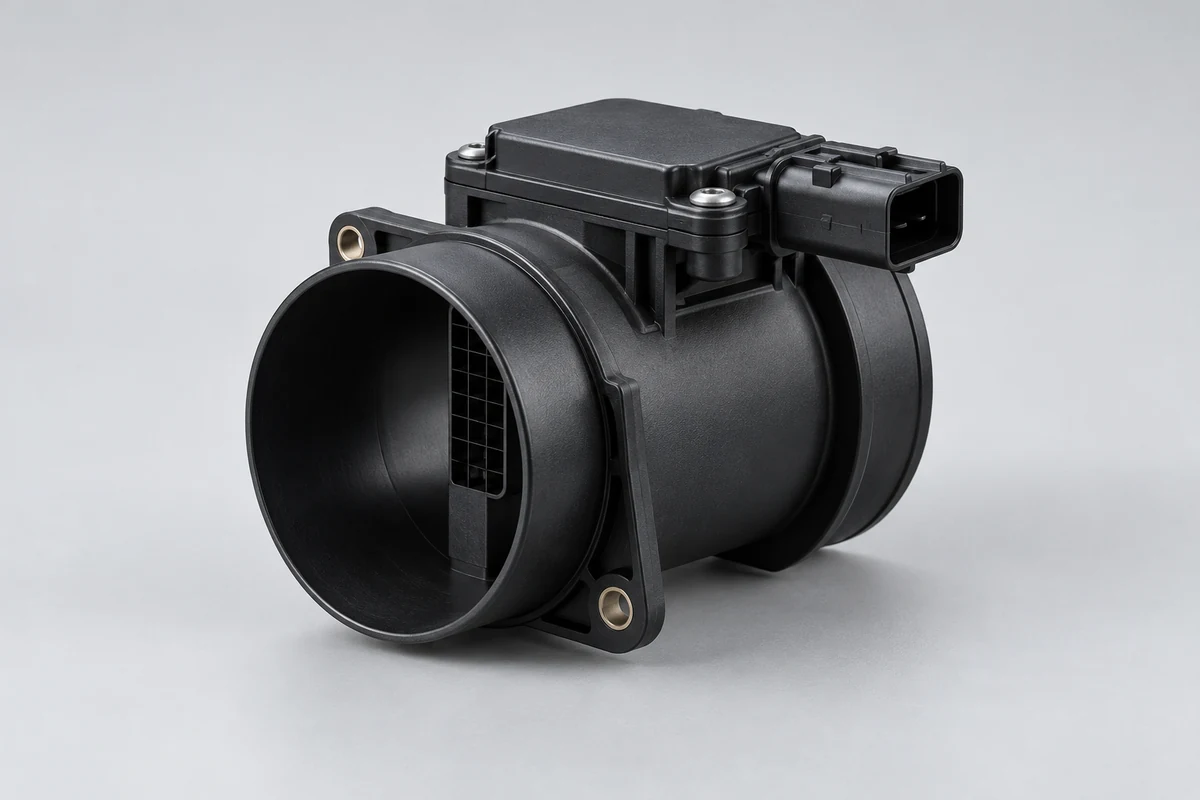
Hold a visibly contaminated MAF sensor in its original state and separate passage debris, seal condition and handling history before any cleaning proposal.