
SCV Handover: Trace the Post-Fit Diagnostic Scope
Match an SCV completion record to the applicable pump routines and exact part instructions, keeping fitted, assessed and unresolved states separate.
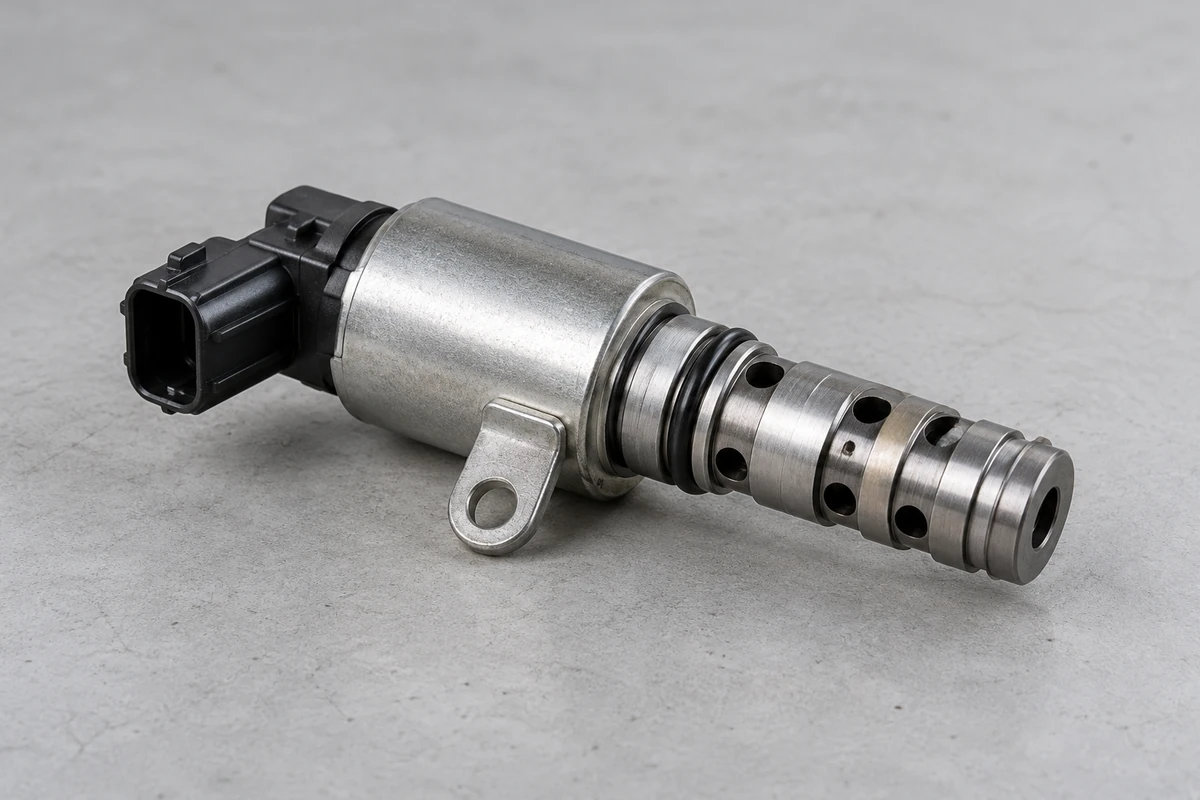
A record saying “SCV fitted” does not establish that the applicable post-fit diagnostic work is complete. For a suction control valve handover, ask the responsible provider to map its result record to the pump-related work required by the current exact-part instruction. A generic scan report should not be renamed to suggest it answers a requirement nobody has identified.
This article concerns evidence mapping after an established SCV replacement. It does not operate a tester, prescribe engine conditions, interpret readings, set acceptance thresholds or provide fuel-system service steps.
What the DENSO source supports
DENSO's European SCV page refers readers to exact part-number instructions and includes diagnostic pump routines after fitting. Checked on 14 October 2026, it supports asking for the applicable post-fit scope, not transferring its general procedure to an unknown valve or pump. DENSO common-rail SCV guidance
The buyer needs the provider to identify the governing instruction and resulting record. A manufacturer webpage can identify a dependency while still being insufficient to define the work for the actual vehicle and configuration.
Establish the requirement-to-result mapping
Retain the SCV identity, pump identity and service-job reference from the approved application record. Ask which current part instruction the provider used. Record its issue or revision where available and the section defining the relevant post-fit work.
Have the provider name the required routine scope in its own applicable terms. The coordinator should not invent routine names, copy commands from another model or demand every test available on a diagnostic tool. The objective is an explicit relationship between this job's requirement and its evidence.
For each required item identified by the qualified owner, retain the corresponding report reference or an explicit exception. A report headed diagnostics can contain useful information without covering the applicable pump routines. Preserve what it actually says and ask for the missing mapping.
Separate equipment scope from an equipment promise
If the provider's proposal depends on diagnostic equipment coverage, ask it to confirm support for the identified task and configuration. The brand name of a tester is not a completed-work record. Nor does a current tool advertisement establish the software or scope used in an earlier service event.
Keep any capability question under the actual provider. Purchasing should not solve it by selecting software, prescribing updates or trying another routine. If the provider cannot confirm coverage, obtain a revised qualified scope or another proposal through the agreed process rather than treating the task as optional.
The commercial record should state which post-fit evidence is included in the accepted work. Missing documentation may require clarification, but it does not alone establish that the technician skipped the task. Ask for the actual status before alleging incomplete service.
A routine-to-record worksheet
| Field | Record needed | Documentary question |
|---|---|---|
| SCV and pump | Exact identities and service-job link | Does the evidence cover this configuration? |
| Part instruction | Current applicable source and revision | Who confirmed the requirement? |
| Required routine | Provider-defined scope from that instruction | Is the request specific enough to map? |
| Equipment coverage | Provider confirmation for the actual task | Is capability established or only advertised? |
| Result reference | Attributable report mapped to the requirement | What does the report actually cover? |
| Exception | Missing result, scope mismatch or qualified limitation | Which owner must answer next? |
This worksheet defines no routine, test order or acceptable result. Those remain in the actual instruction and qualified assessment. Its purpose is to prevent a vague completion phrase from concealing a mapping gap.
Fictional case: a scan printout that does not name the scope
A fictional job J records that SCV S was fitted to pump P. The provider sends report D under the heading vehicle diagnostics, but neither J nor D identifies the applicable pump-routine requirement. All identifiers and records are invented; no actual result is represented.
The buyer asks the provider to identify the governing instruction and show which part of D answers each required item. It does not reject D solely because its title is broad, and it does not assume D is sufficient because it carries the correct vehicle reference. Coverage needs an attributable explanation.
Suppose the provider explains that D covers a different diagnostic scope and a second report is still pending. Preserve D for its actual purpose and keep the pump-routine evidence open under the accepted owner. If the provider instead supplies a complete mapping with qualified conclusions, retain those conclusions and their limits rather than entering a buyer-authored pass.
Preserve exceptions at the job level
If a corrected result arrives, connect it to the prior report and ask the qualified reviewer which earlier conclusions are affected. A new filename should not erase an unresolved exception. The final handover should identify the applicable scope, its mapped evidence and the responsible assessment. It does not certify pump performance or grant permission for operation.
Keep the purchasing enquiry focused
For category context, see Engine parts. In an Autoparts sourcing request, identify the actual part and the unresolved handover question. The form supports an 8–1200-character description or a supported marketplace HTTPS link, and up to five PNG, JPEG, WebP or GIF images, limited to 10 MiB each and 20 MiB combined. PDF, CAD and ZIP files need a separately agreed, authorized exchange.
Independent aftermarket or unbranded buying coordination and supplier negotiation do not establish service-provider capability, fitment, engineering approval or a ready-for-use vehicle. Named manufacturers above are documentary examples, with no affiliation or branded-goods offer implied.
Frequently asked questions
Is a generic diagnostic report enough after SCV replacement?
It may contain relevant evidence, but its scope must be mapped to the current exact-part requirement by the responsible provider. A broad heading or correct vehicle reference alone does not establish that the applicable pump routines are covered.
Can the buyer choose routines from the tester’s available menu?
No routine selection or operating sequence is supplied here. Ask the qualified provider to identify the required scope from the actual instruction. More available tests do not create a purchasing requirement or demonstrate completed work.
Does a missing report prove the post-fit work was omitted?
No. It establishes missing evidence in the handover packet. Ask the accepted provider for the actual status and attributable record before concluding what was or was not performed. Keep documentary and technical findings distinct.
Can the DENSO page define work for an unbranded SCV?
Not by itself. Its example is limited to its own guidance and refers to exact part instructions. An alternative requires current evidence for its actual valve, pump and application, with the relevant qualified provider defining and assessing the scope.
Sources
Discuss a sourcing request related to this article.SCV Handover: Trace the Post-Fit Diagnostic Scope