
Free gasket replacements: establish the UK import value separately
For a separate no-charge gasket replacement shipment to the UK, preserve the settlement and obtain a supported valuation assessment before budgeting freight only.
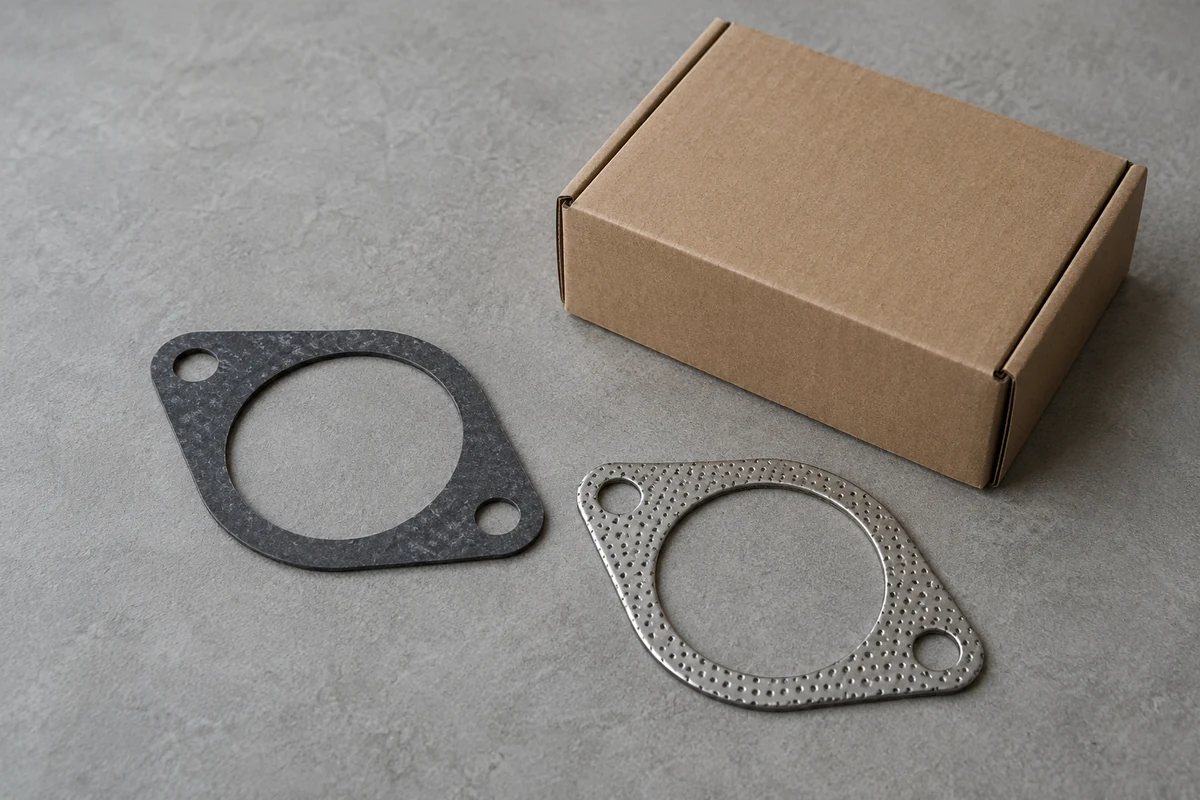
A free gasket replacement can still leave its UK import value unresolved. Preserve the supplier's no-charge settlement, but ask the customs adviser how the separate consignment should be valued before describing its landed cost as freight only. The commercial amount payable and the customs-value question need their own records.
This guide begins after the parties have agreed a replacement in principle. It does not choose between return, repair and replacement, assess gasket suitability or invent a sale price for goods supplied without charge.
Link the replacement to the original transaction
Collect the original order reference, relevant gasket identity and quantity, supplier settlement and proposed replacement contents. State whether the replacement is a later consignment or whether additional units are included in the original shipment. Do not use “replacement” as a catch-all description that conceals this difference.
Ask the supplier to specify exactly what is free. A product-price waiver may leave packing, carriage or other services to the buyer. Record the agreed allocation of those charges and whether any original credit is cash, an account credit or another settlement. The customs adviser also needs the true commercial facts, not a revised story designed around a preferred tax result.
If the offered replacement changes the gasket specification or quantity, flag that change separately. Its product acceptance needs the responsible review and should not be buried in an invoice adjustment.
Distinguish a later consignment from an original-shipment allowance
HMRC's free-of-charge valuation guidance treats replacements included in the same shipment separately from replacements in another shipment. It says Method 1 normally cannot be used for the latter because no price is paid or payable. The applicable valuation still requires assessment; a zero-charge document is not the whole answer. HMRC free-of-charge replacement guidance
Give the adviser the settlement and shipment facts and ask which method and evidence apply. Do not select a method yourself from a summary table or insert an arbitrary nominal amount to make the paperwork look complete. A previous invoice may be relevant evidence, but the adviser must decide its appropriate use.
Ask for the basis of the resulting import-cost estimate and any unresolved inputs. If the replacement settlement could affect the original entry, put that question to the adviser separately. Do not assume a new declaration or supplier credit automatically revises the old customs record.
Keep three records side by side
The commercial record says what the supplier owes or waives. The valuation record contains the adviser's assessed basis and evidence. The transport record says what the provider charges to move the actual replacement goods. Reconcile their identities and quantities without forcing their monetary fields to be identical.
| Replacement field | Evidence to retain |
|---|---|
| Original order | Gasket references, quantity and relevant transaction record |
| Replacement agreement | No-charge scope and any conditions |
| Shipment relationship | Same consignment or distinct later movement |
| Value evidence | Attributable supplier and transaction records supplied for review |
| Adviser method | Determination, limitations and outstanding questions |
| Charges not waived | Actual packing, transport and import-cost responsibilities |
A zero in the supplier-payment column may be correct under the agreement while the import-value column remains unanswered. Keeping both prevents the buyer from distorting the settlement or understating an unresolved import budget.
Fictional comparison: zero on the replacement invoice
A fictional supplier agrees to send gaskets again at no product charge. It issues a later replacement invoice showing zero, and the buyer assumes the only new spending will be the courier bill. The record does not yet contain an adviser-assessed customs value. No actual value, duty or entitlement is represented.
The buyer preserves the original settlement and requests the supporting goods and transaction records. The adviser receives the fact that this is a separate shipment. The buyer does not ask the supplier to invent a sale, nor does it declare zero merely because no new product payment is due.
When an assessed valuation basis and current service quotes are available, the buyer can update its expected spending. If the adviser needs additional evidence, the estimate remains incomplete. An unresolved amount should not disappear into a “warranty replacement” label.
Close the cost review without changing the settlement
Confirm that the final replacement list, shipment arrangement and adviser response describe the same goods. Keep any supplier credit distinct from charges paid to the transport or customs provider. The result should explain what the supplier has agreed to provide and what the buyer still needs to budget, without promising relief or assigning a customs value in this article.
The primary guidance cited here was checked on 14 October 2026. Recheck the applicable current rules and provider terms before committing to the actual shipment.
Keep the buying enquiry within scope
For product context, see Engine parts. The Autoparts sourcing request can start an independent aftermarket or unbranded buying enquiry with a short description or supported product link. It accepts up to five PNG, JPEG, WebP or GIF images, at most 10 MiB each and 20 MiB total; descriptions are 8–1200 characters. Arrange other documents through a separately agreed, authorized exchange. The form is not a PDF, CAD or ZIP portal.
Supplier information and negotiation do not establish product suitability, specialist transport acceptance or customs approval. Keep those decisions with the responsible qualified parties. No freight service, branded-product offer or guaranteed outcome is implied here.
Frequently asked questions
Does a free gasket replacement have zero UK customs value?
A no-charge settlement does not settle the valuation question. Give the adviser the actual transaction and shipment facts and obtain the applicable method and evidence before completing the import-cost estimate.
Why does a separate replacement shipment matter?
HMRC’s guidance distinguishes replacements in another shipment from extra replacement units in the original consignment. Preserve that distinction so the adviser assesses the actual arrangement.
Should I invent a small invoice value for the replacement?
No. Keep the true no-charge settlement and request a supported valuation assessment. An arbitrary nominal amount is not a substitute for the applicable method and evidence.
Does the supplier’s free replacement include freight and import charges?
Only the actual settlement can establish what the supplier covers. Ask for its scope and keep separately quoted transport and assessed import charges visible rather than inferring a full waiver.
Sources
Discuss a sourcing request related to this article.Free gasket replacements: establish the UK import value separately