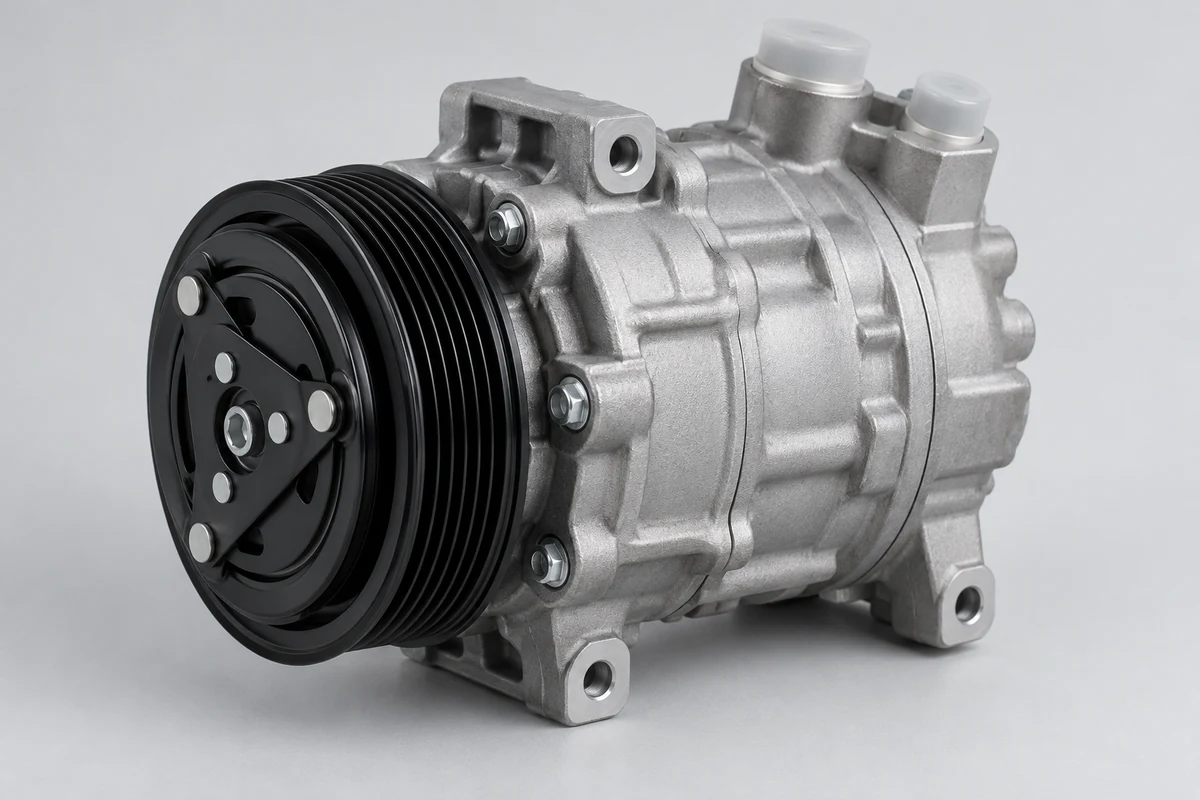
Reconcile a delivered compressor’s identity, oil type and declared quantity basis while preserving closures and keeping missing records separate from physical diagnosis.
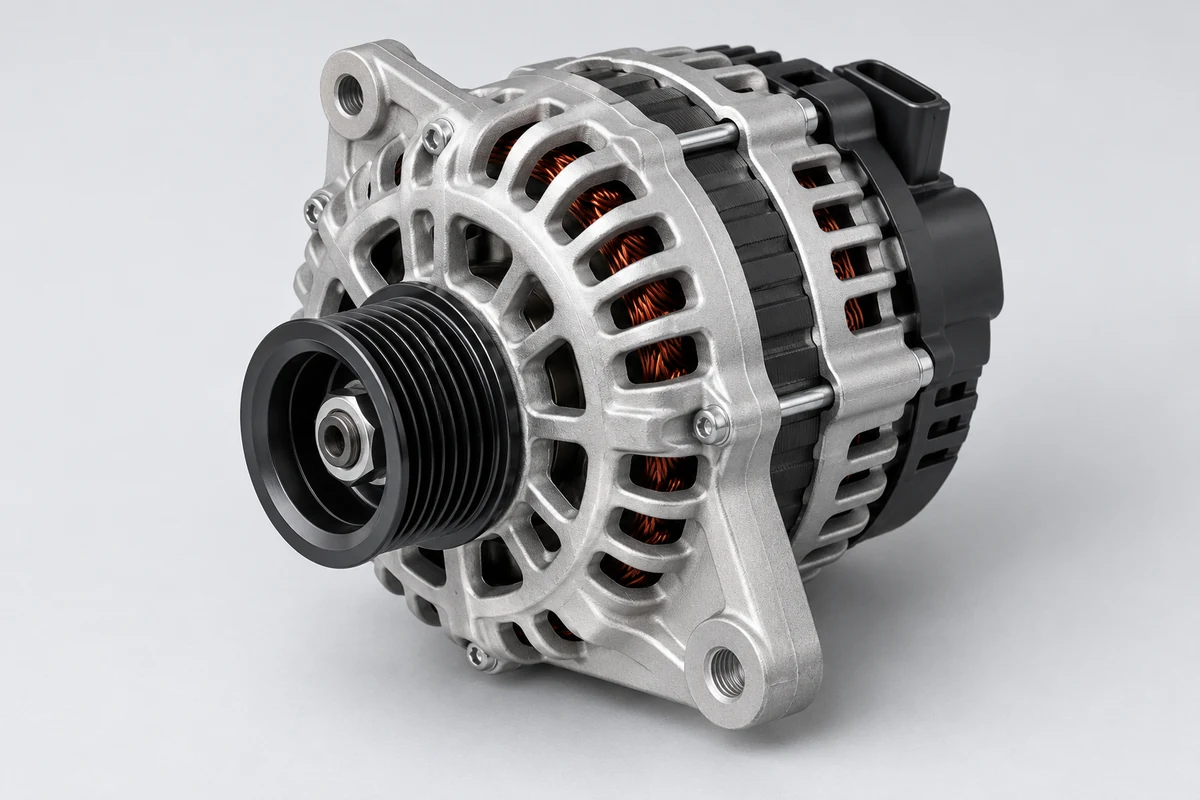
Resolve a delivered alternator’s label-versus-pulley-offset conflict with a shared datum, revision evidence and separate terminal-layout questions before installation.
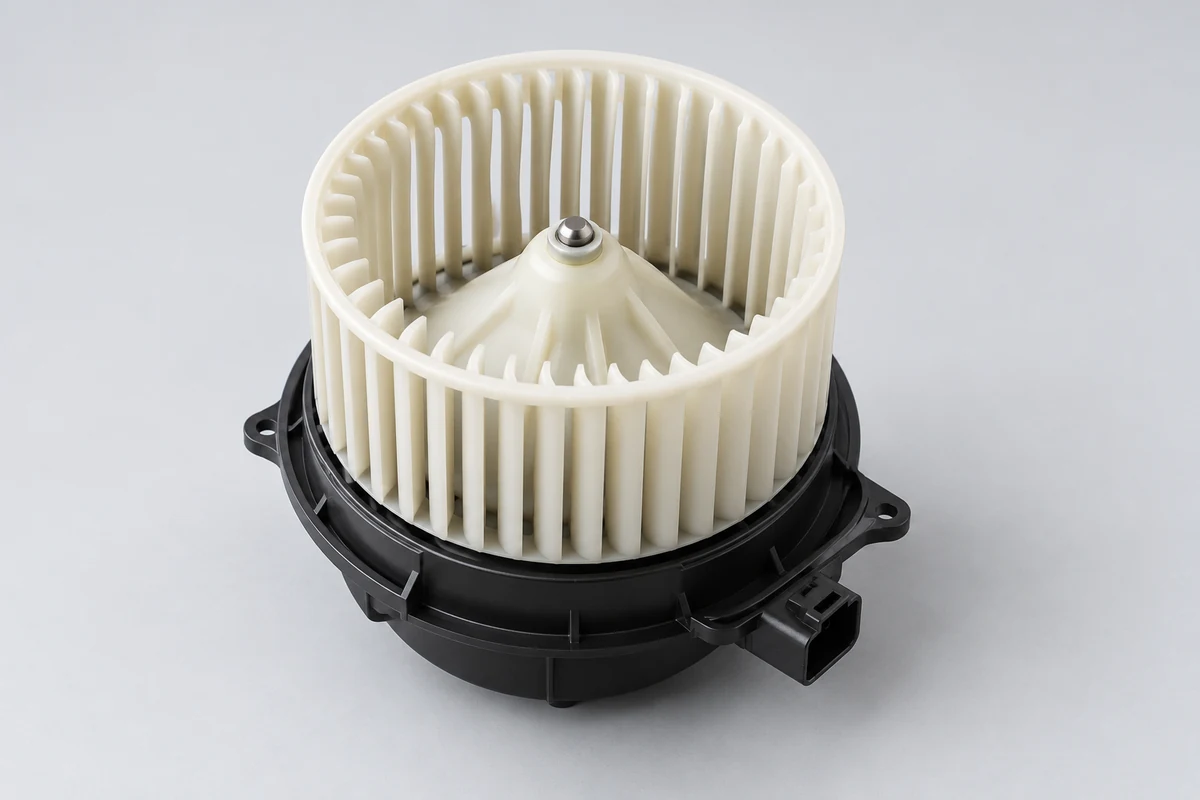
Keep blower impeller damage separate from motor-label evidence, recording accessible blades and housing marks without rotation, dismantling or powered checks.
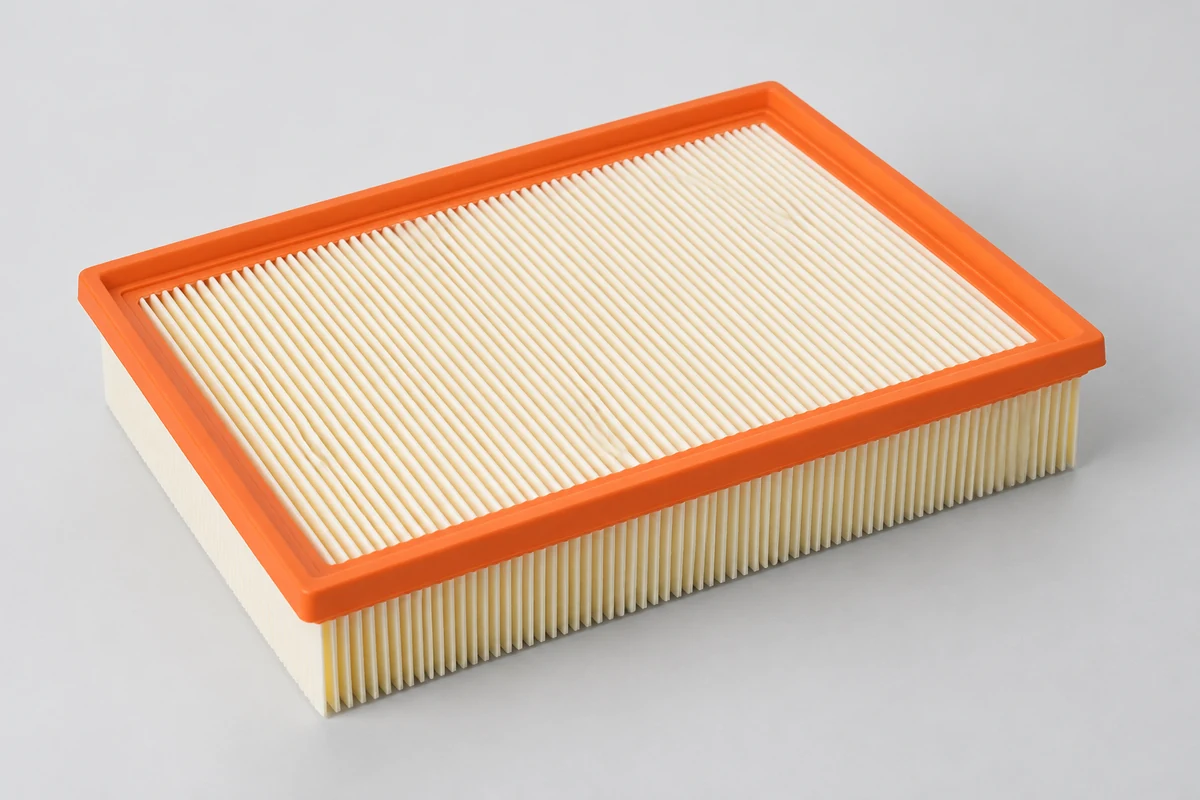
Compare air-filter glue patterns with the approved construction while keeping torn media, collapsed pleats and frame concerns as separate receiving questions.
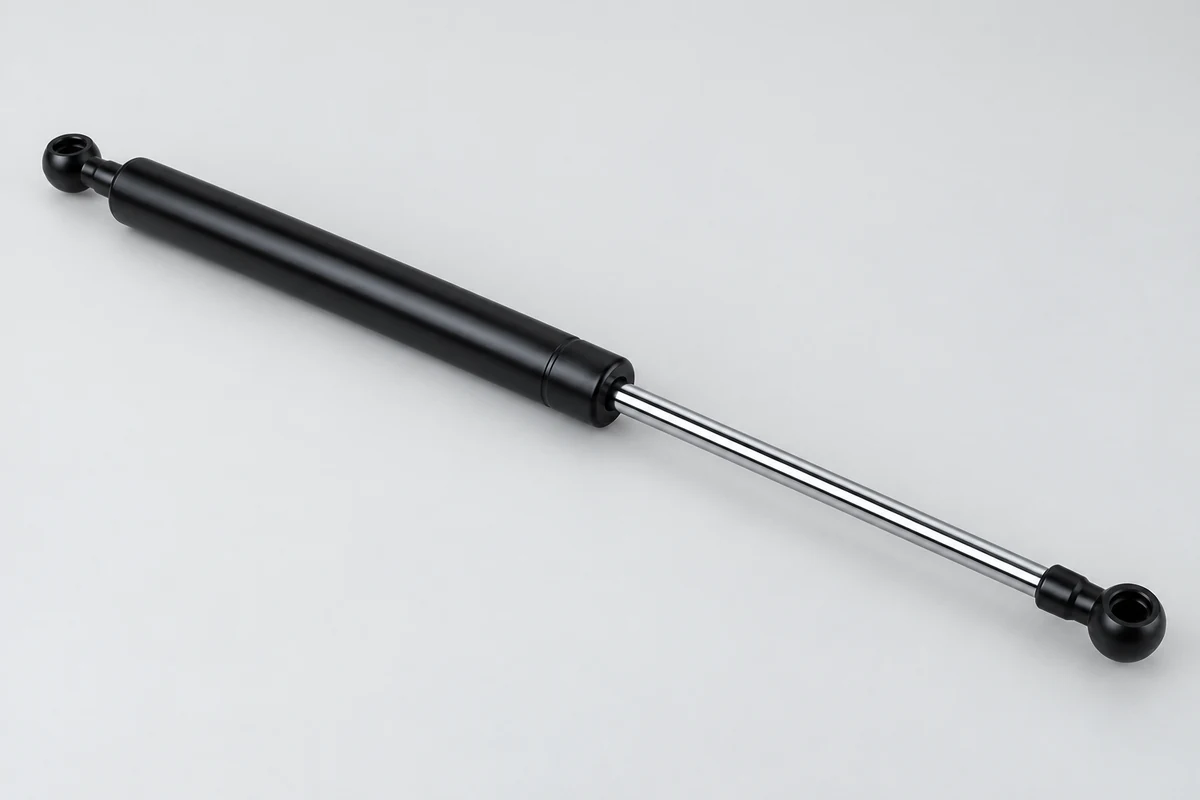
Record gas-strut rod, tube and seal-region concerns separately, preserving adhesive and finish evidence without cleaning, compression or improvised force checks.
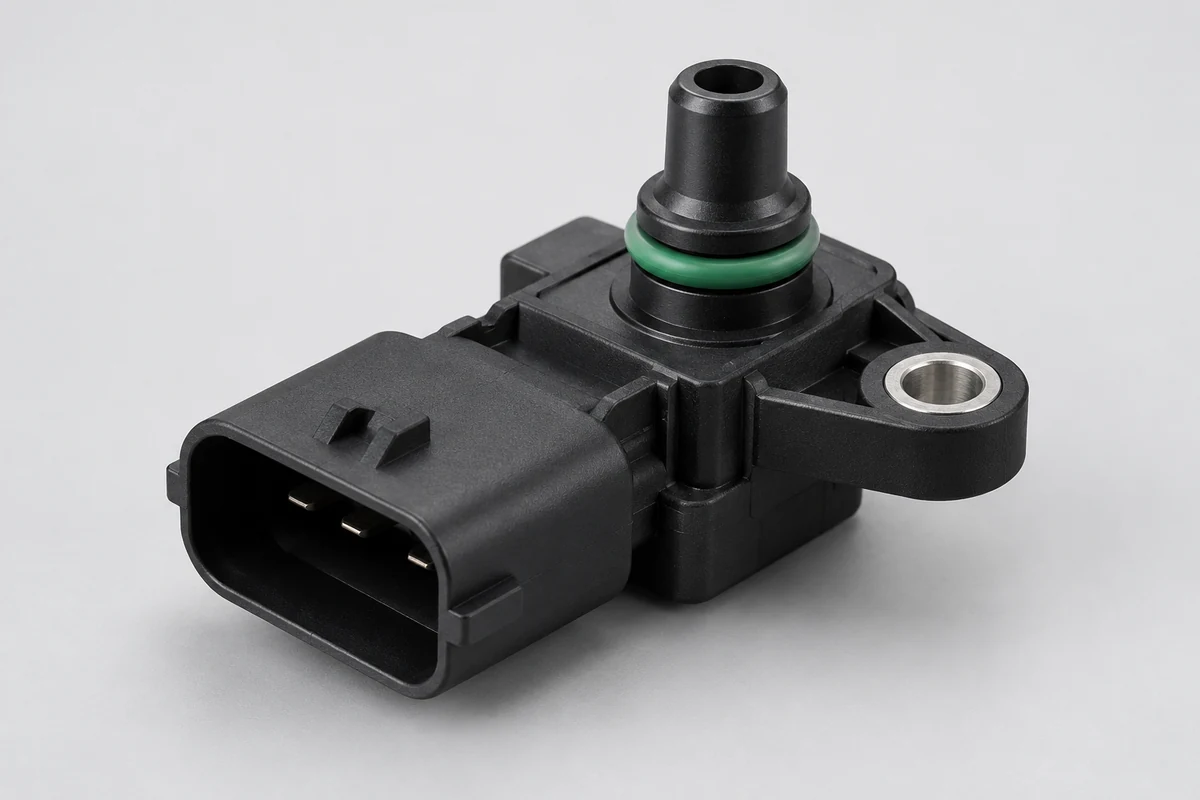
Record MAP/T-MAP identity, external pressure-port condition and supplied-seal damage separately, without pin-count shortcuts, probing or calibration inference.
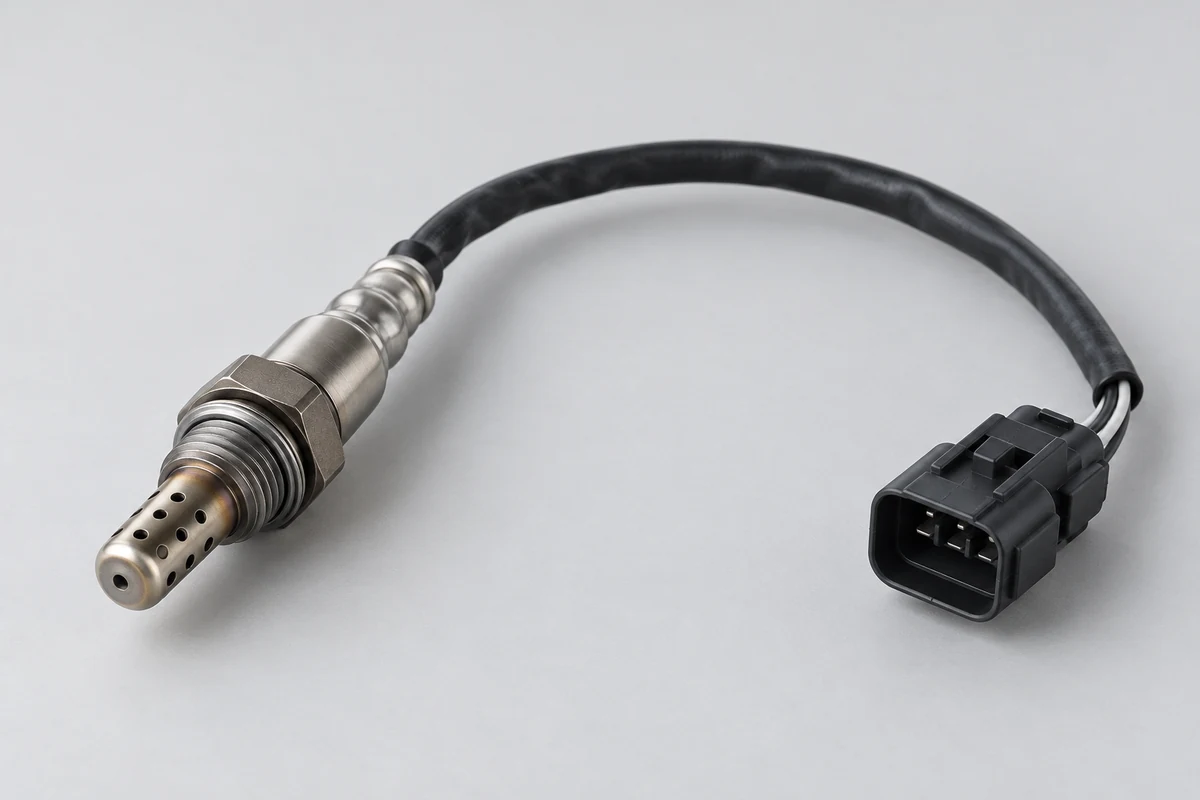
Separate oxygen sensor thread coating from sensing-tip residue, preserve the original condition and request a product-specific explanation before cleaning.
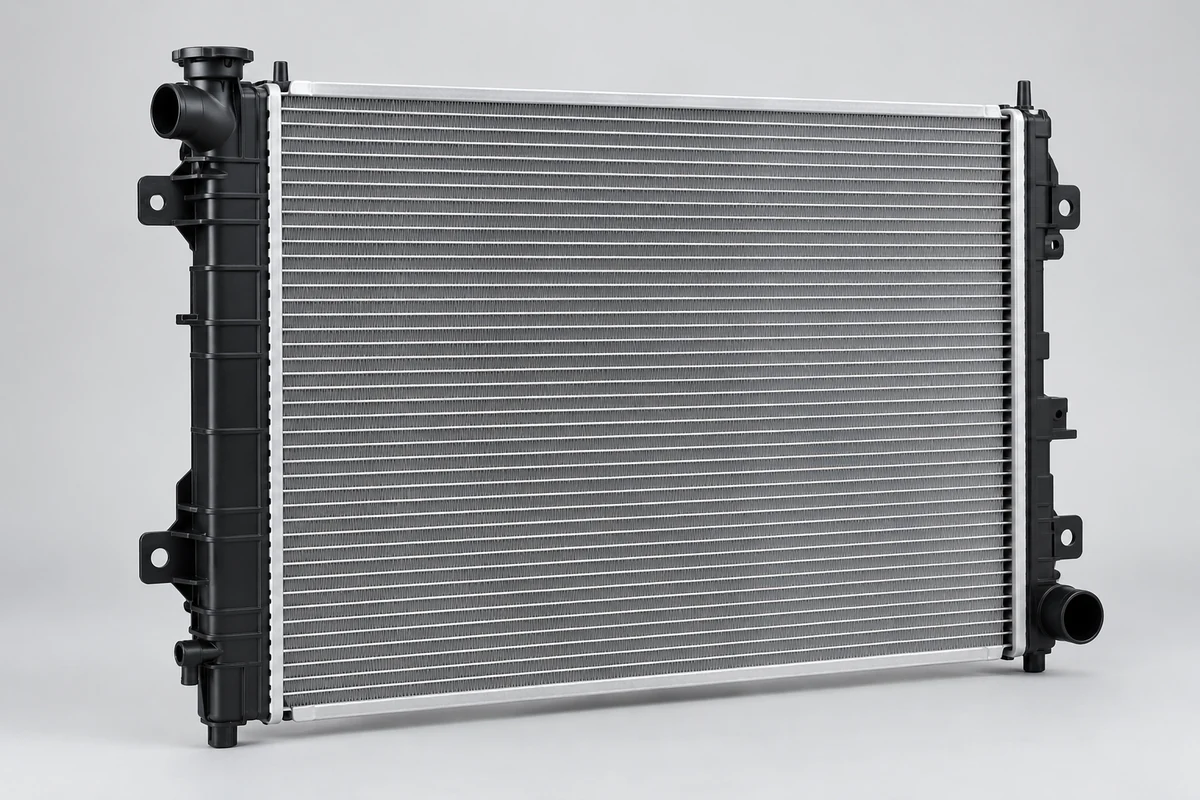
Record radiator neck and mounting-lug concerns separately from core appearance, using authorized interface evidence instead of hose or vehicle fit trials.
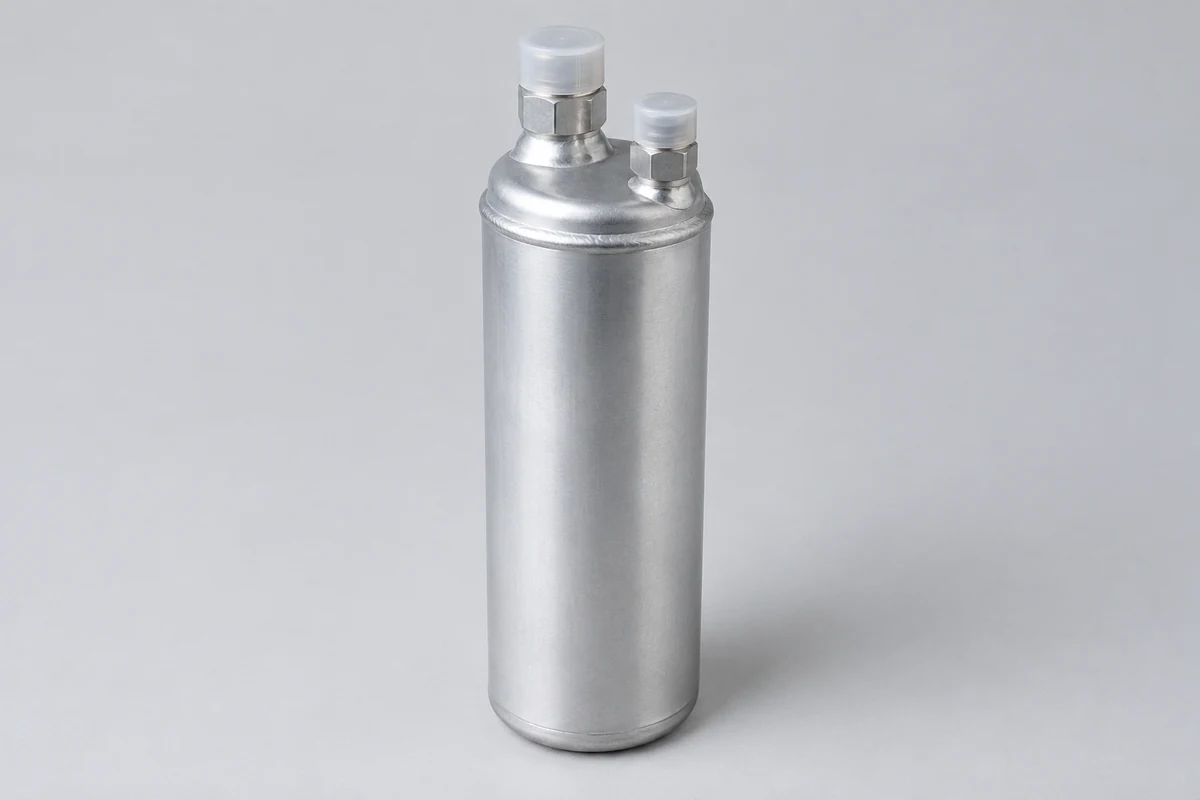
Record receiver-drier closure state and unknown exposure history before repacking, without inventing safe-open times or diagnosing desiccant condition.
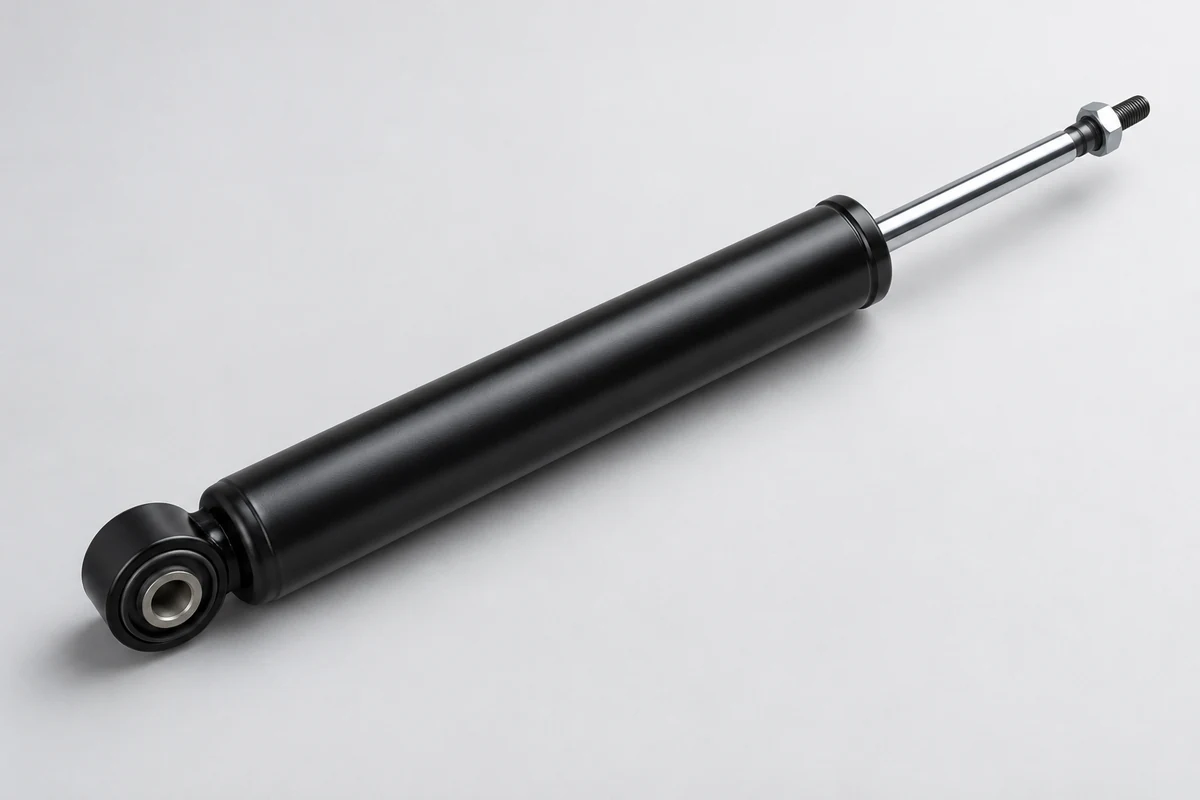
Record oil location, wet packaging and handling history on newly delivered shocks without importing in-service weepage rules or wiping the evidence away.
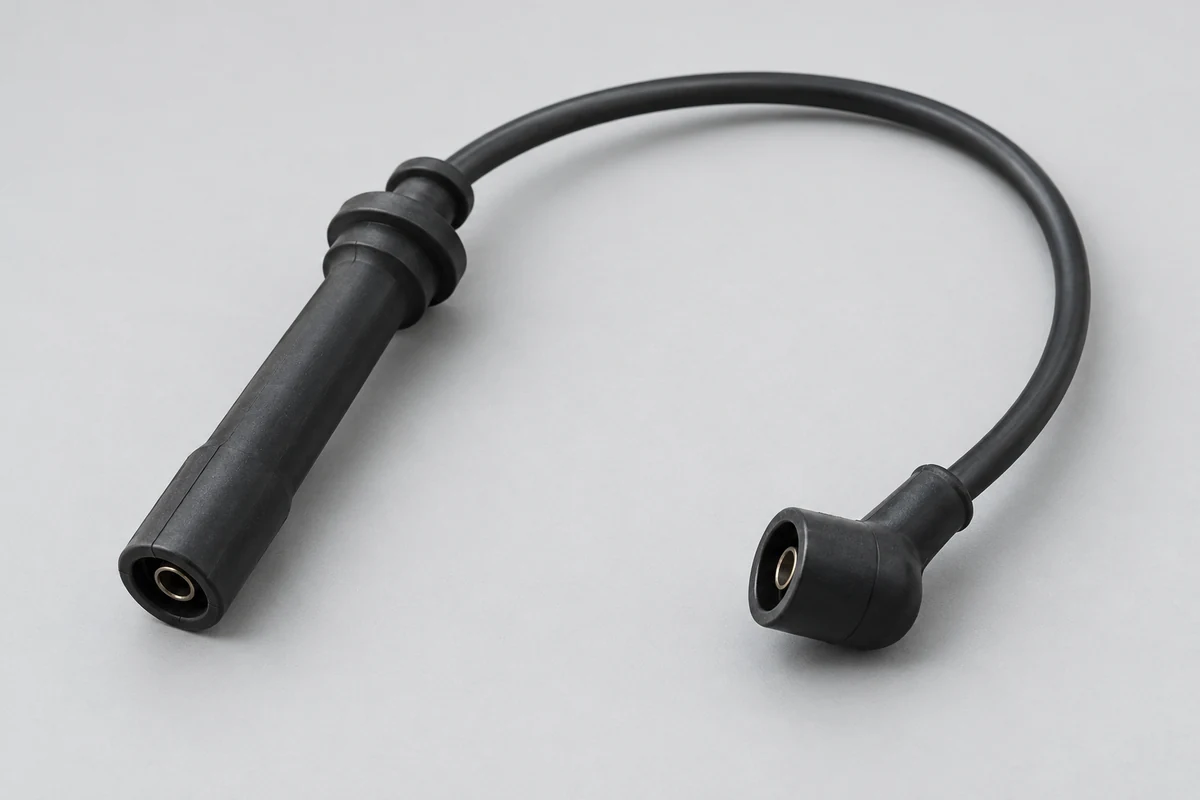
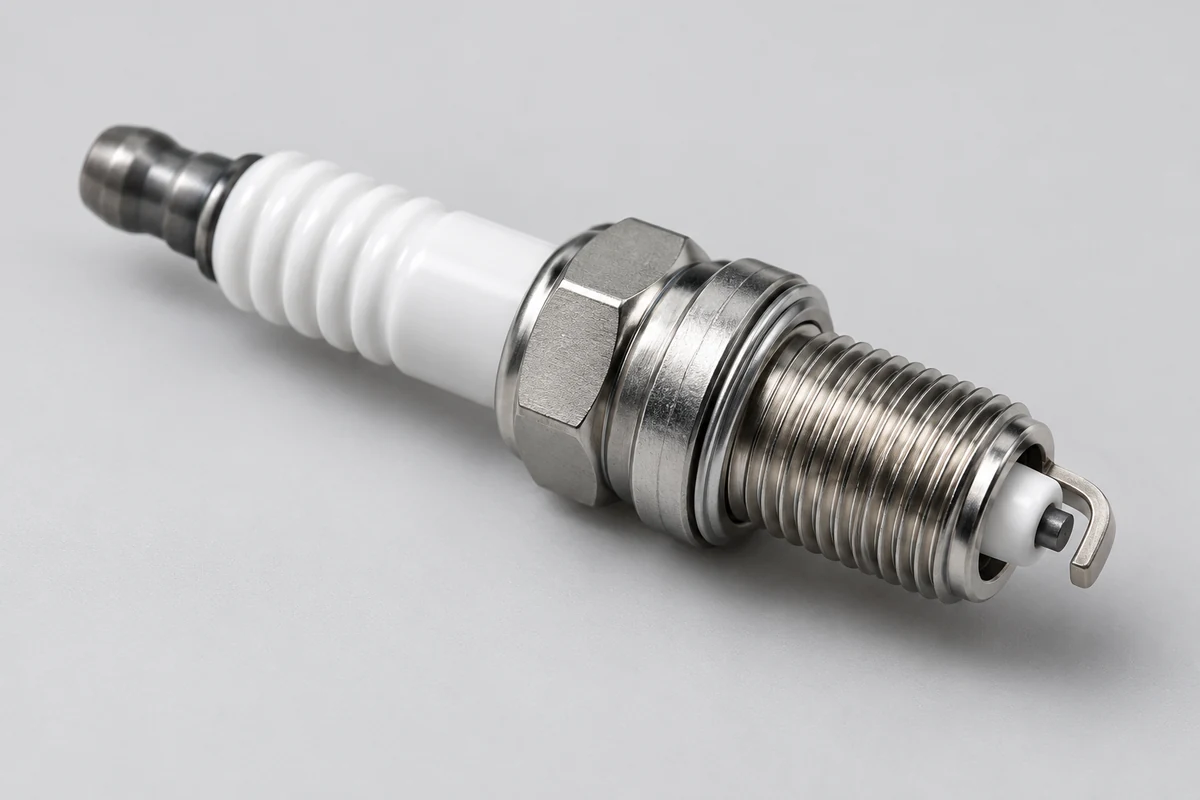
Record ceramic chips and electrode deformation by individual spark plug before adjustment, keeping packaging evidence and technical disposition separate.
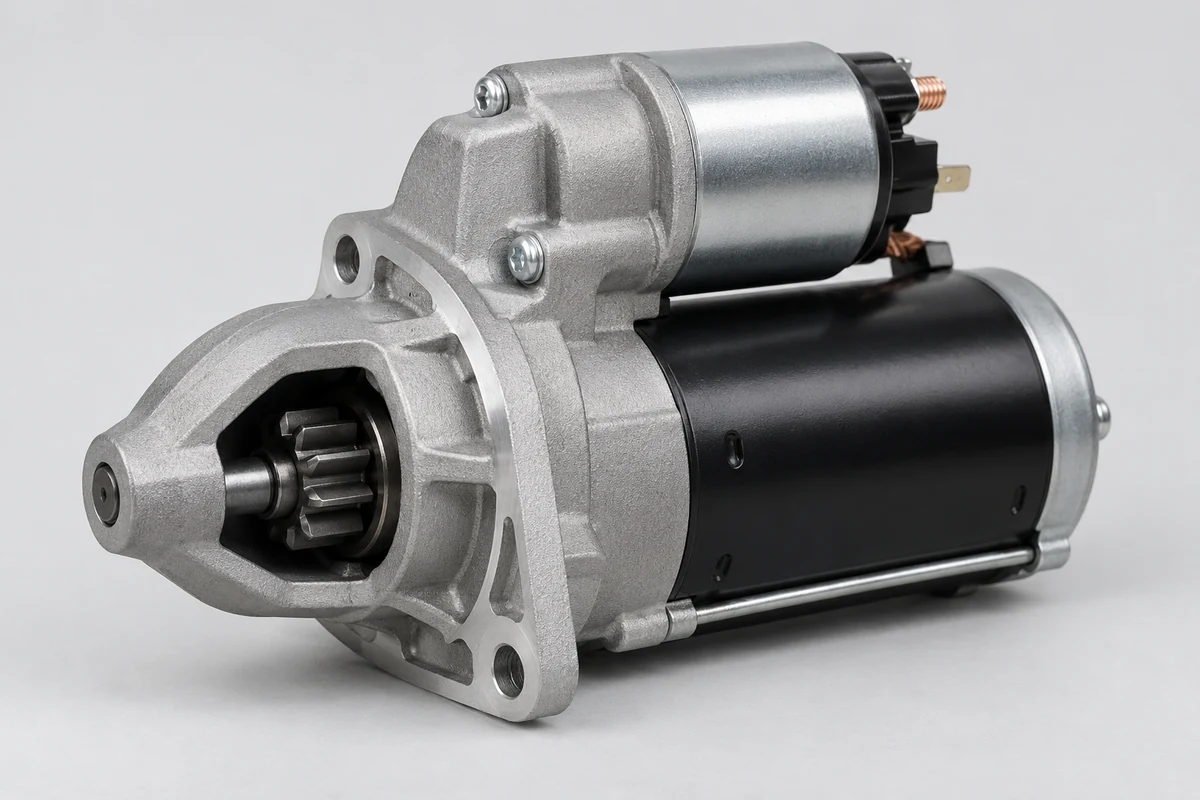
Compare starter housing clocking, connector and drain locations from a shared viewpoint, resolving revision conflicts without re-clocking or energizing the unit.
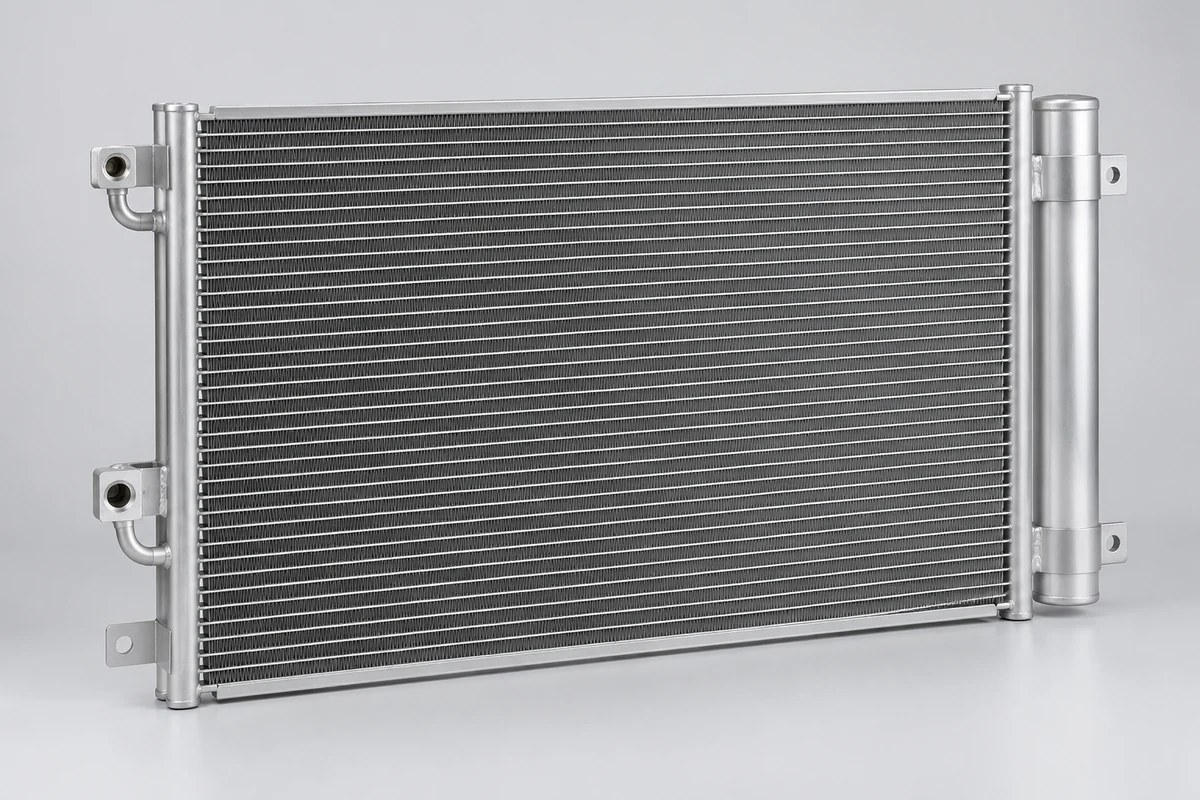
Map condenser fin, tube, tank and applicable integrated-component concerns separately so a bent-fin explanation does not erase an unresolved integrity question.
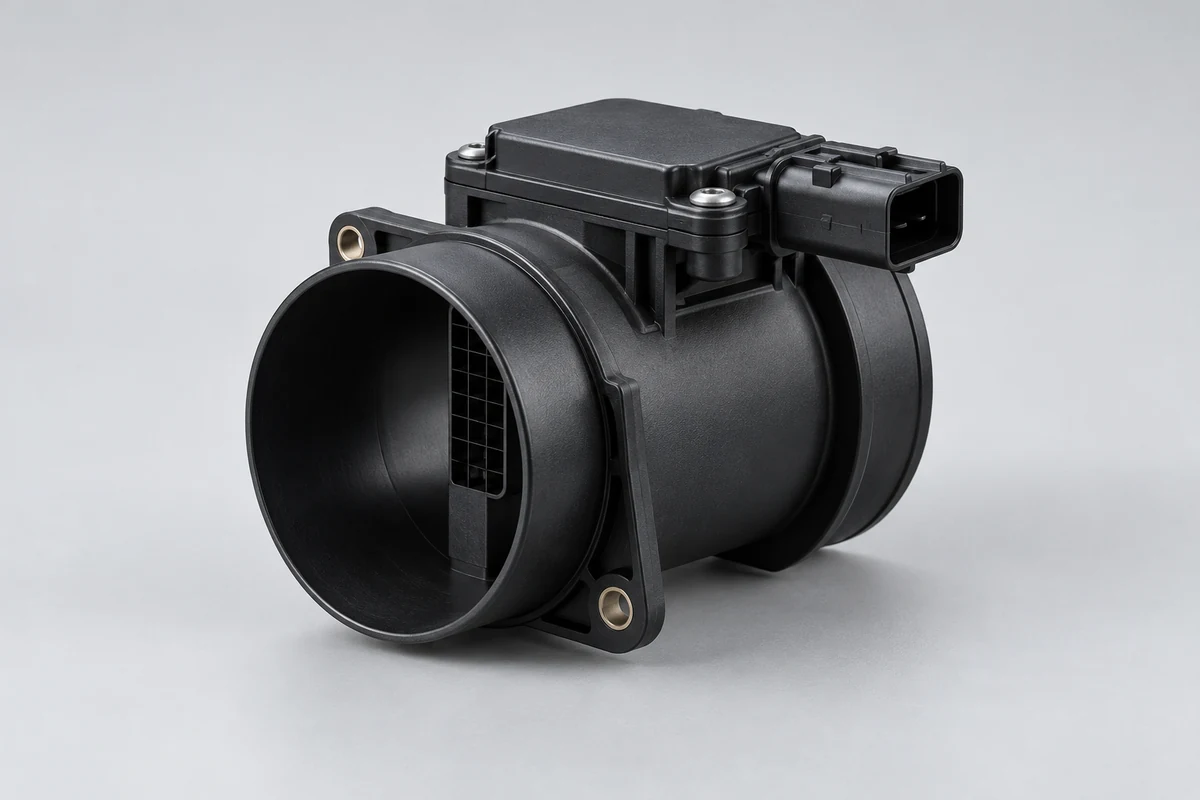
Hold a visibly contaminated MAF sensor in its original state and separate passage debris, seal condition and handling history before any cleaning proposal.