Preserve CV boot kit packet identities during consolidation and require evidence before a shared hardware pack replaces joint-specific or universal-kit allocations.
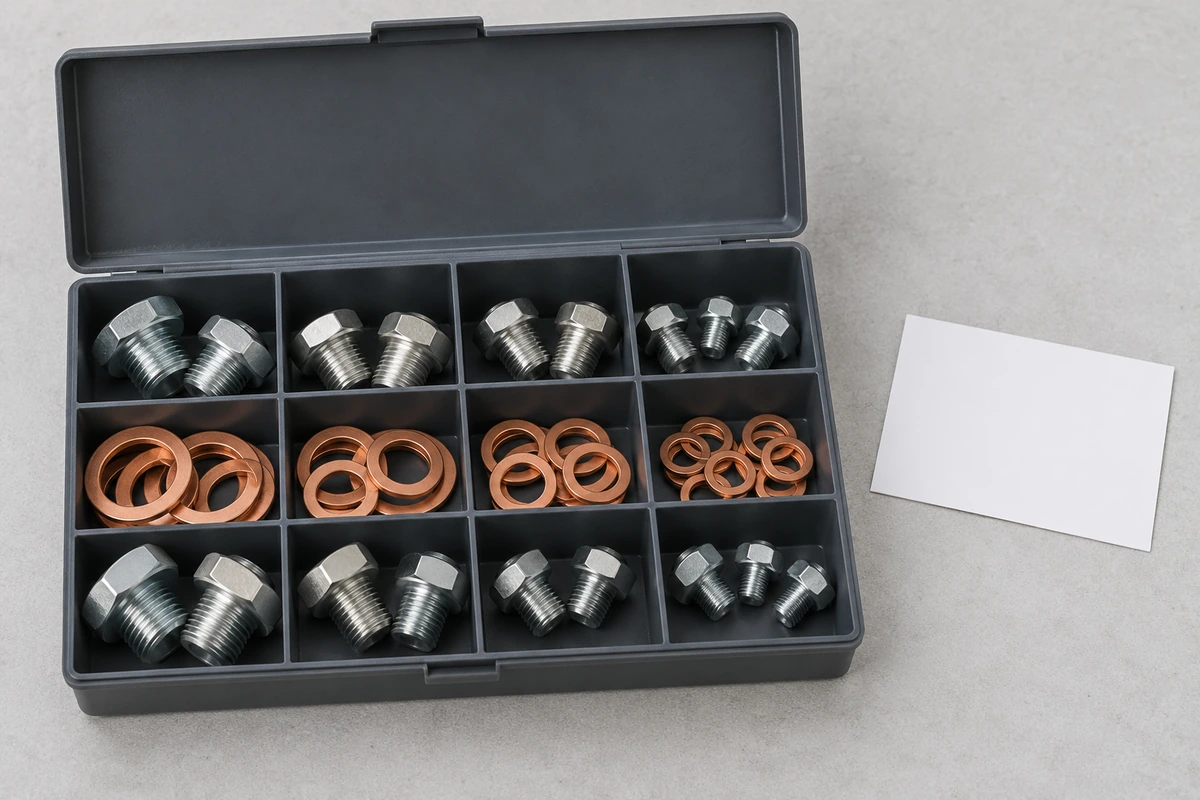
Keep compartment locations separate from documented plug-to-ring associations when resizing an assortment, so a new map does not invent pairings or erase independent stock roles.
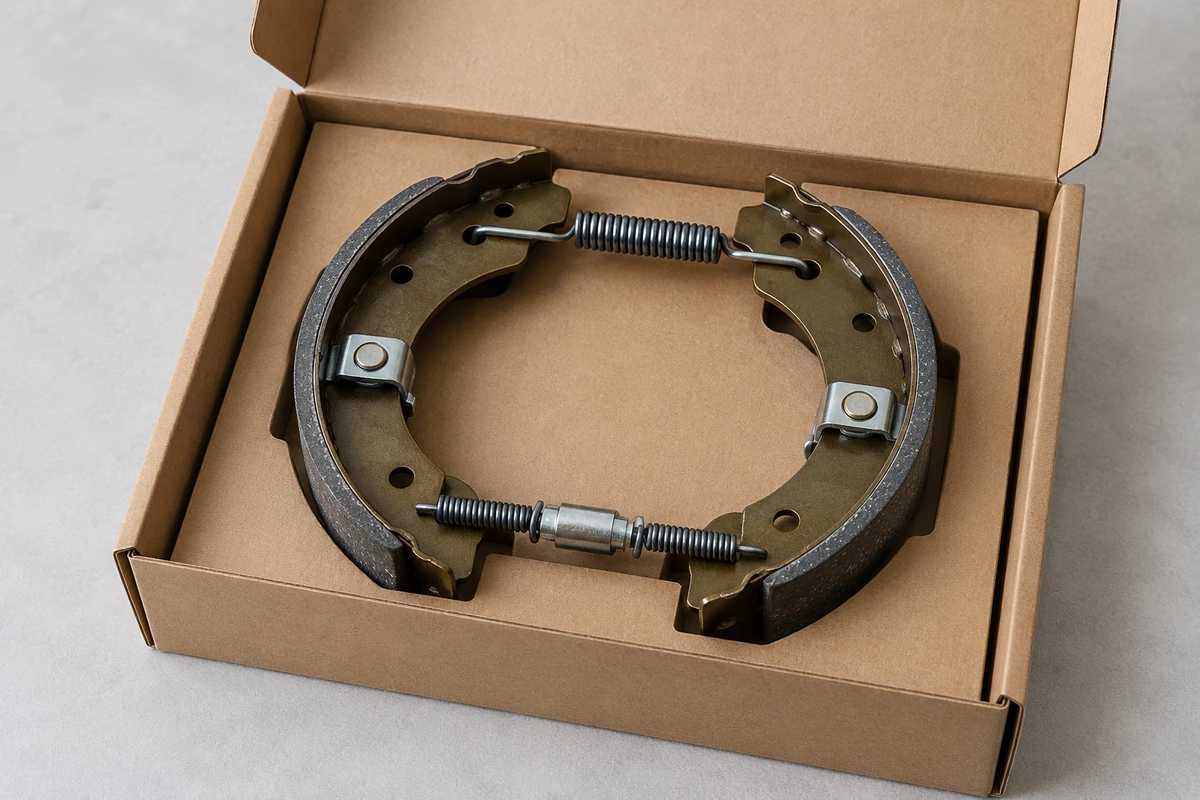
Review smaller-pack proposals against the drum brake kit’s actual preassembled shoe groups, loose components and approved delivered state before release.
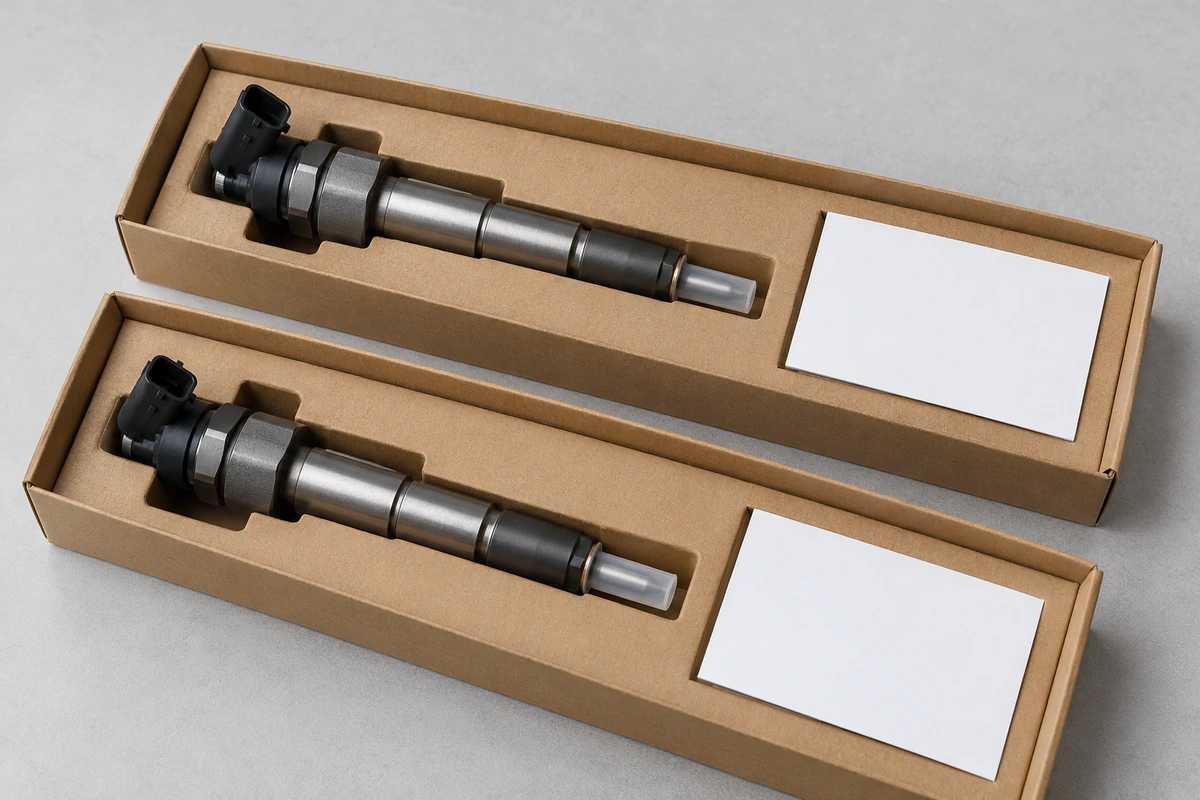
A pair box can carry information used in a manufacturer’s two-step verification process. Check what each recipient would retain before splitting or covering that packaging.
A supplied PTFE seal cover can support the sensitive lip’s geometry. Review a proposal to remove it for a shallower package as a change to the supplied protected state.
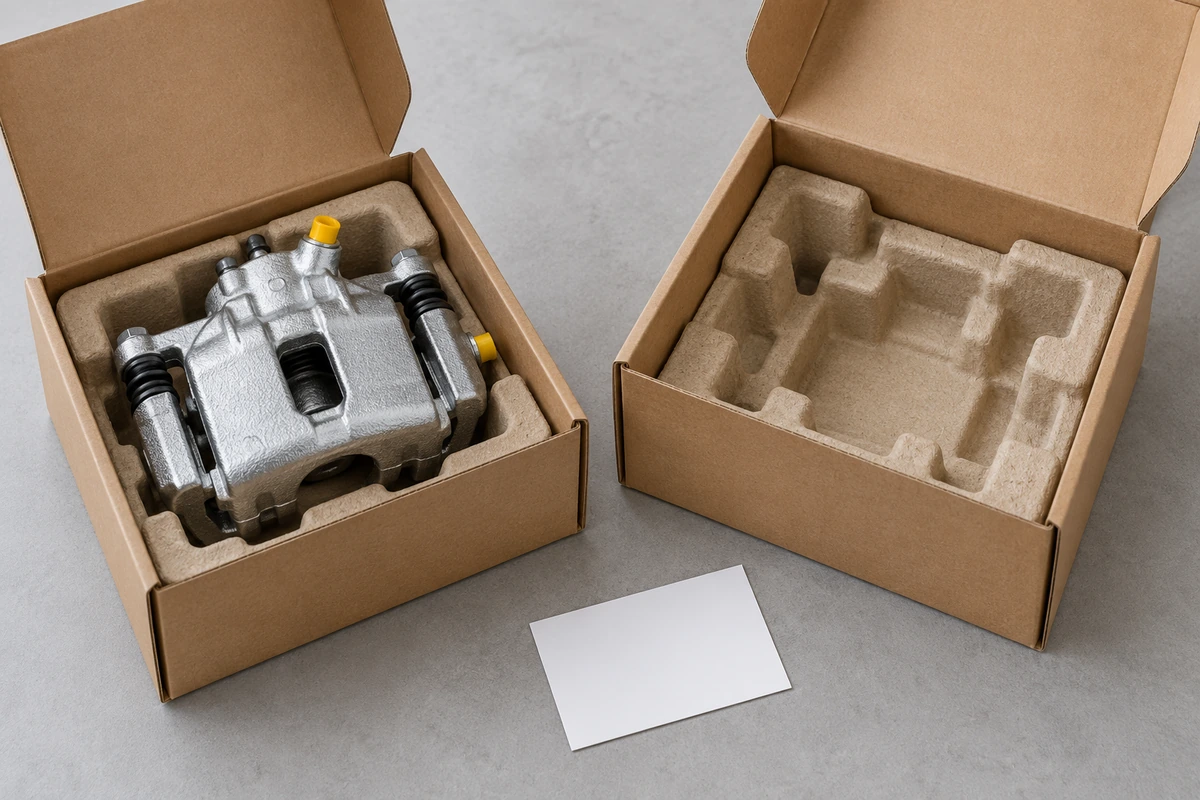
An agreed core return needs its own package provider, declaration link and accepted route. The replacement caliper’s carton does not settle those responsibilities.
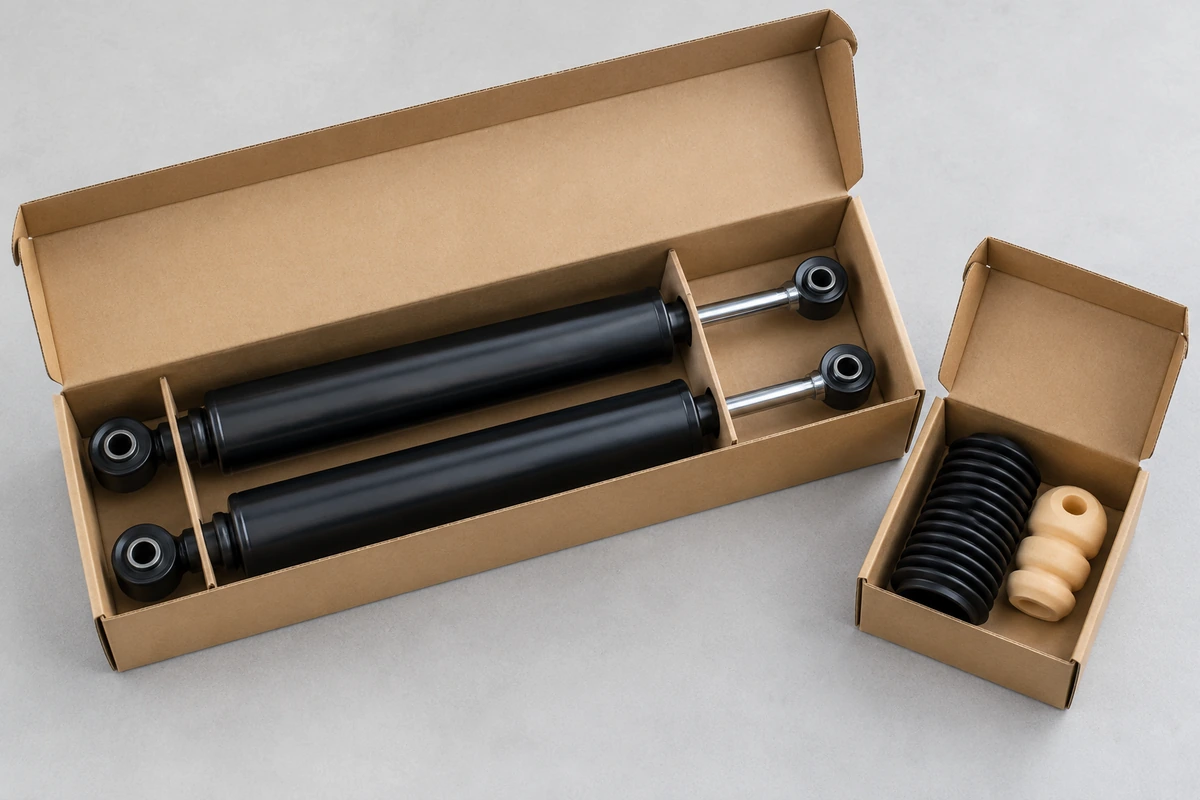
A twin pack defines a shock quantity, while a separate protection kit may use another unit. Resolve both before allocating the purchased bundle to a destination.
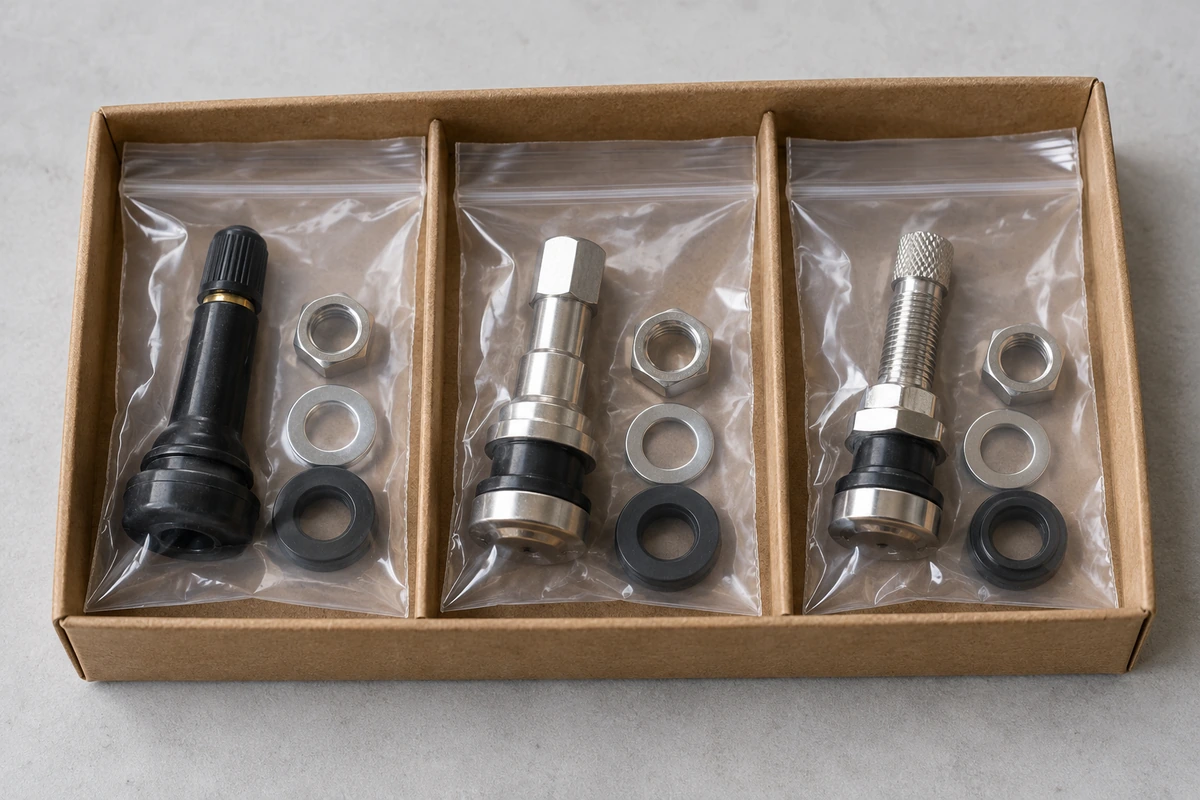
Preserve reference-specific stem and seat inclusions in a TPMS service-pack assortment, so a uniform presentation does not create false shortages or remove required hardware.
Keep transmission kit oil cartons tied to the selected with-oil order line, while distinguishing hardware variants, delivered quantities and service fill requirements.
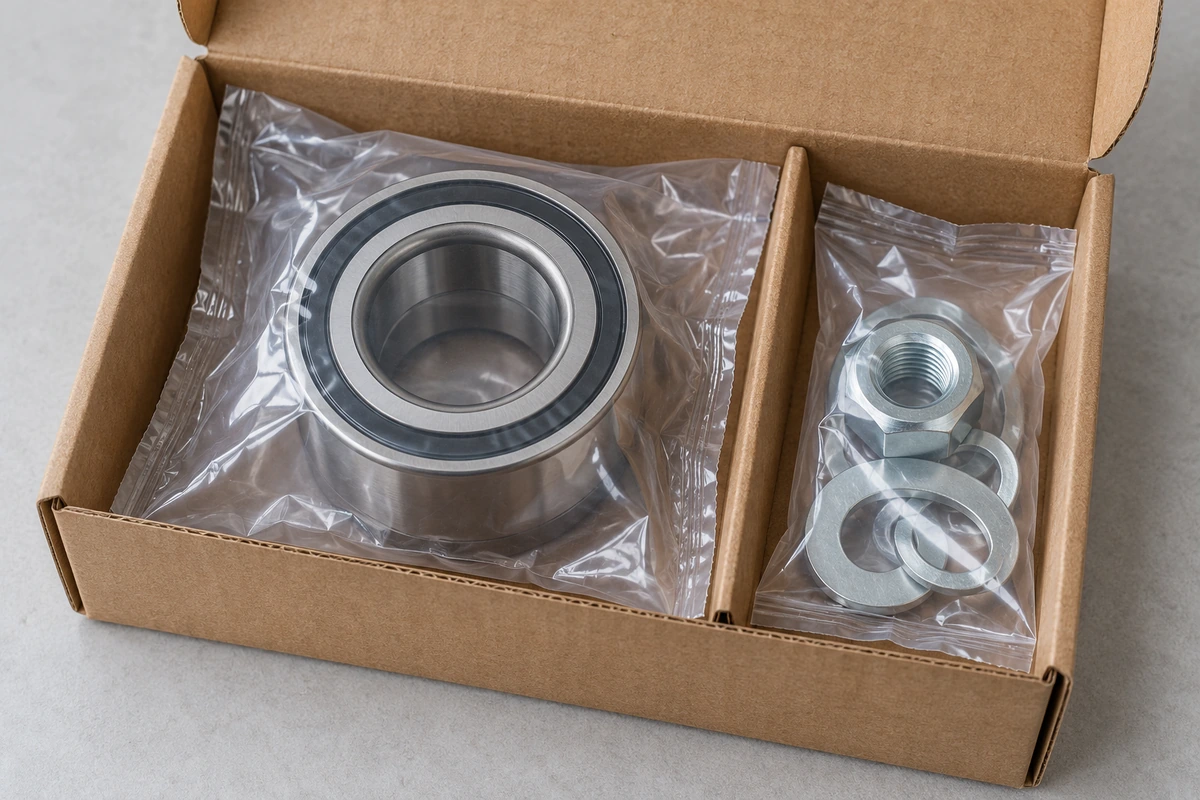
Check how wheel-bearing kit accessories interact with an encoder-bearing subpack before approving display changes, contact or magnetic accessory placement.
Review a clutch packing proposal against the exact variant before cosmetic repacking removes an applicable locking piece or obscures an unresolved supplied state.
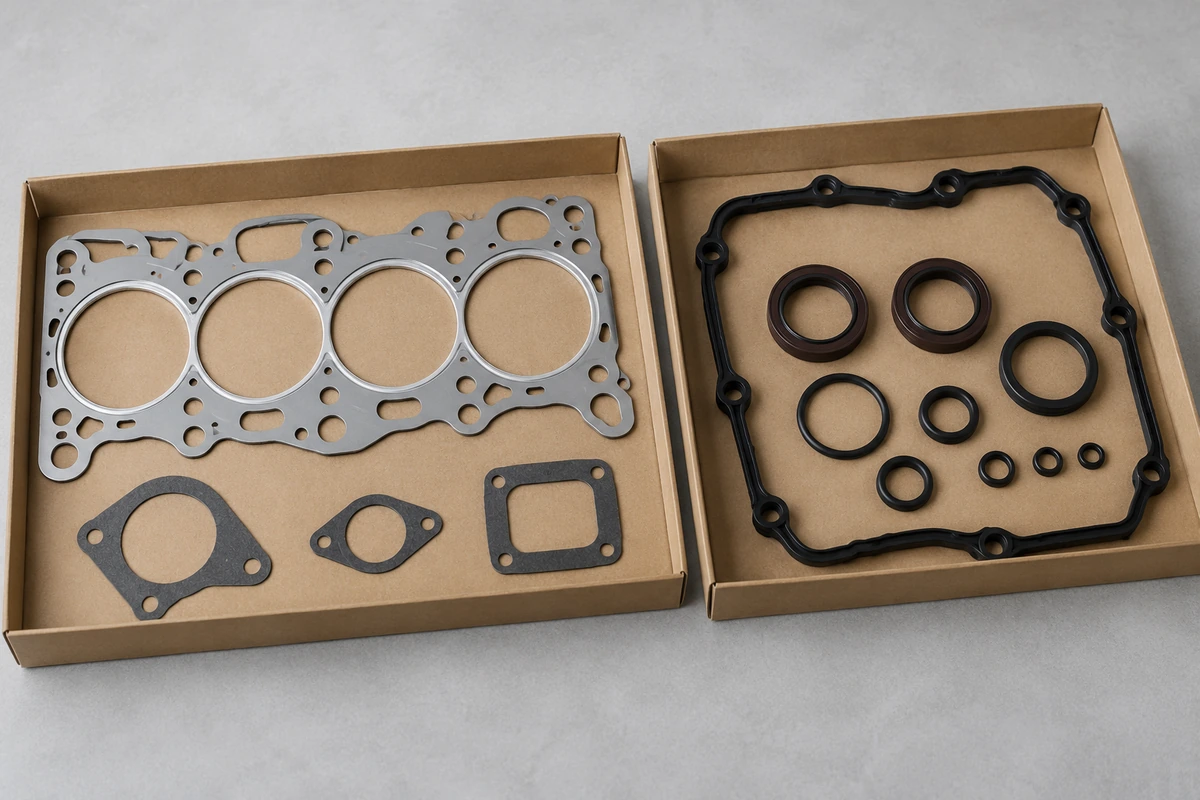
Keep head and conversion gasket set references traceable when combining an approved order, so exclusions, overlap and possible packing losses remain distinguishable.
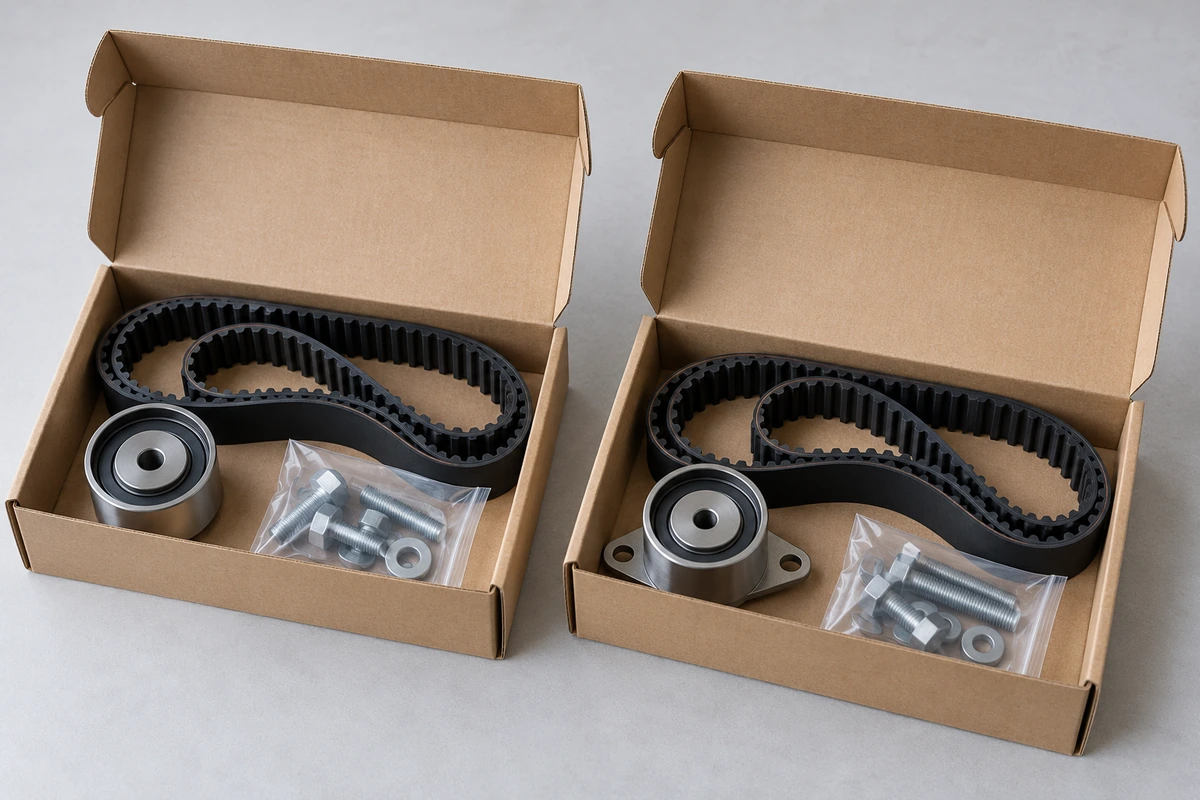
Keep approved timing-kit additions tied to the exact kit reference when range-level descriptions, omitted packets or a repacking revision create uncertainty.